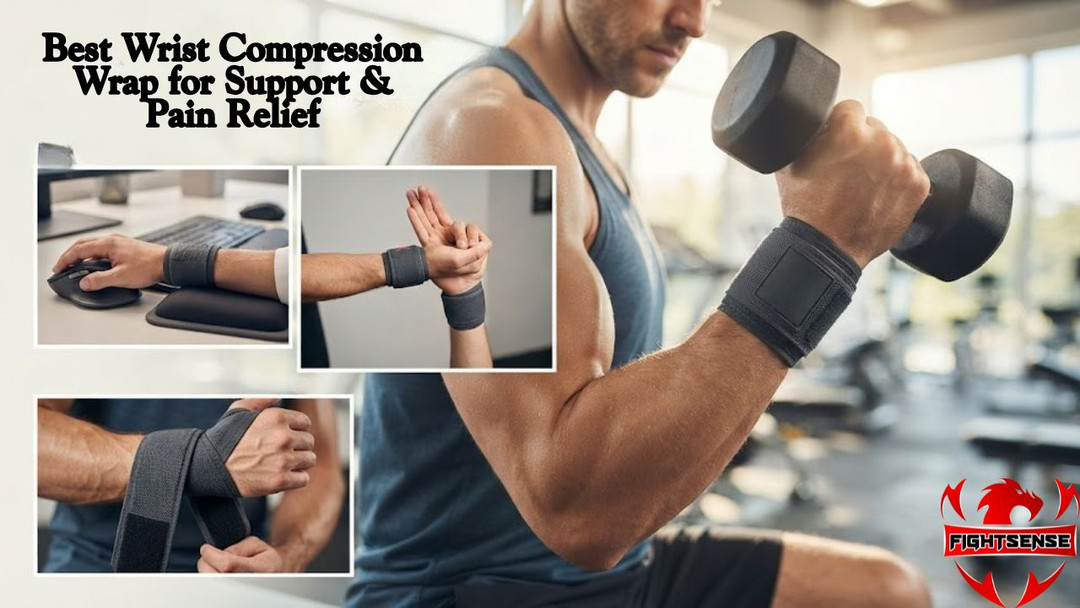
Best Wrist Compression Wrap for Support & Pain Relief
Dealing with lingering joint aches from hours at a desk or a sudden tweak at the gym can throw off your entire routine. If you are struggling with repetitive strain, tendonitis, or carpal tunnel discomfort, finding reliable stabilization is essential. A wrist compression wrap offers targeted pressure to soothe aching tendons, enhance blood flow, and secure the joint without completely immobilizing your hand.
Unlike bulky rigid braces, a quality compression sleeve or strap gives you the freedom to type, lift, and move while still protecting your vulnerable wrist. In this guide, we will explore how these wraps work, how to pick the right one, and expert strategies to maximize your recovery.
What is a Wrist Compression Wrap?
A wrist compression wrap is a flexible, elasticized band or sleeve designed to apply gentle, even pressure around the wrist joint, lower palm, and distal forearm. Crafted from breathable fabrics like neoprene, nylon, and spandex blends, these wraps provide customized support by locking in therapeutic warmth and stabilizing soft tissues.
How Wrist Compression Supports Healing
Compression works through a simple yet powerful physiological mechanism. By applying controlled pressure to the affected area, the wrap helps reduce localized swelling and inflammation around the tendons and nerves.
Additionally, snug pressure stimulates mild vasodilation, increasing blood circulation to deliver oxygen and essential nutrients directly to injured tissues. This accelerated blood flow helps clear out metabolic waste products, speeding up the natural recovery timeline for sprains, strains, and chronic joint wear.
Top Benefits of Using a Wrist Wrap
- Pain Management: Alleviates acute aches and chronic discomfort associated with carpal tunnel syndrome, arthritis, and tendonitis.
- Joint Stabilization: Limits excessive extension and flexion during heavy lifting or repetitive typing tasks.
- Swelling Reduction: Minimizes fluid buildup and edema following minor sprains or strains.
- Enhanced Mobility: Unlike rigid casts or metal-splint braces, flexible wraps allow functional movement so you can maintain daily tasks.
Types of Wrist Supports: Which One Do You Need?
When shopping for joint support, you will often notice fitness brands like Fightsense expanding their lineups beyond standard gear to include specialized accessories like weightlifting straps, lifting hooks, and wraps tailored for heavy training sessions.
|
Type |
Best For |
Level of Support |
Flexibility |
|
Elastic Wrap Bandage |
General sprains, adjustable pressure |
Moderate |
High |
|
Neoprene Sleeve |
Arthritis, warmth retention, daily wear |
Light to Moderate |
High |
|
Strap with Thumb Loop |
Tendonitis, heavy lifting, stability |
Moderate to Firm |
Medium |
|
Brace with Metal Splint |
Carpal tunnel, severe injuries, night use |
Maximum |
Low |
How to Properly Apply a Wrist support band (Step-by-Step)
Achieving the right amount of pressure is crucial. Too tight, and you risk cutting off circulation; too loose, and it will offer no therapeutic value. Follow these steps for an optimal fit:
- Position the Start: If your wrap features a thumb loop, secure it around your thumb. Otherwise, place the starting edge of the wrap on the top side of your forearm just below the wrist crease.
- Wrap Diagonally: Bring the wrap downward across the palm side of your wrist, angling it toward the base of your hand.
- Circle the Joint: Wrap it firmly around the wrist joint once, ensuring even tension across the skin without digging into tissue.
- Form an Figure-Eight (Optional): For extra stabilization, loop the wrap diagonally across the back of your hand and back under the palm.
- Secure the Fastener: Fasten the hook-and-loop closure securely. Test your circulation by pinching your fingernail—if color returns in less than two seconds, the tightness is ideal.
Pros and Cons of Wrist Compression
Pros
- Highly affordable and portable recovery tool.
- Adjustable tightness allows you to customize the pressure level.
- Breathable materials prevent excessive sweating during physical activity.
Cons
- Does not immobilize the wrist completely, making it less suitable for severe fractures.
- Requires regular washing to remove sweat and maintain elasticity.
- Cheap materials can stretch out and lose effectiveness over time.
Expert Tips for Maximum Relief
- Pair with Active Rest: Do not rely solely on your wrap. Combine compression with gentle mobility exercises and ergonomic adjustments at your workstation.
- Listen to Your Body: Remove the wrap immediately if you experience numbness, tingling, or cold fingers, as this indicates restricted blood flow.
- Keep It Clean: Hand-wash your wrap periodically with mild soap and air dry it to preserve the elasticity of the spandex fibers.
- Nighttime Wear: If you suffer from carpal tunnel syndrome, consider a wrap designed for night use to keep your wrist neutral while you sleep.
Common Mistakes to Avoid
- Wrapping Too Tightly: Restricting circulation slows down healing rather than speeding it up.
- Wearing It 24/7: Unless advised by a medical professional, give your skin and joints a break by removing the wrap for a few hours each day.
- Ignoring the Root Cause: Using a wrap to mask chronic pain without addressing bad ergonomics or improper lifting form can lead to long-term injury.
- Choosing the Wrong Style: Using a lightweight sleeve for heavy weightlifting won't provide enough mechanical support. Match the tool to your activity.
FAQs:
1. Can we wear wrist wrap all day?
It is generally recommended to remove your compression wrap every few hours to let the skin breathe and prevent circulation restriction. Avoid wearing it continuously overnight unless specifically instructed by a doctor.
2. Will a wrist wrap help with carpal tunnel syndrome?
Yes. A compression wrap provides gentle warmth and reduces swelling around the carpal tunnel, which can help relieve pressure on the median nerve and ease numbness or tingling.
3. Is a wrist wrap better than a rigid brace?
It depends on your injury. A wrist wrap is ideal for mild sprains, general soreness, and active movement because it offers flexibility. A rigid brace with a metal stay is better for severe injuries or strict immobilization.
4. Can sleep with a wrist compression wrap on?
Some people benefit from wearing a lightweight, flexible wrap overnight to prevent curling the wrist into awkward positions. However, ensure it is loose enough not to cut off circulation while sleeping.
5. How tight should the compression be?
The wrap should feel snug and supportive, similar to a firm handshake. It should never cause pain, discoloration in the fingers, or a "pins and needles" sensation.
6. When should you see a doctor for wrist pain?
If you experience severe swelling, visible deformity, inability to move your fingers, or persistent pain that does not improve after a few days of rest and compression, consult a healthcare professional.
Conclusion:
A wrist compression wrap is a versatile, cost-effective addition to any first-aid kit, gym bag, or office desk. By offering targeted pressure, soothing warmth, and reliable stabilization, it helps manage discomfort from daily strain, tendonitis, and minor injuries without sacrificing mobility. Listen to your body, choose the right style for your specific needs, and use compression as part of a balanced approach to joint health.
Disclaimer:
This blog post is for informational purposes only and is not medical advice. Always consult a healthcare provider for any wrist pain or treatment.