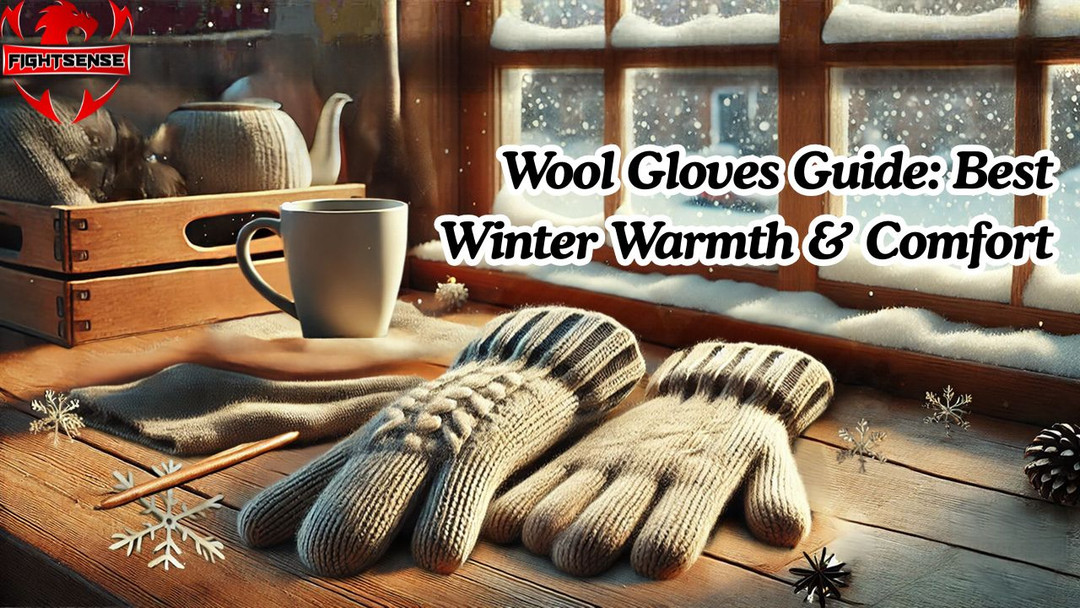
Wool Gloves Guide: Best Winter Warmth & Comfort
Finding the right pair of wool gloves makes all the difference when cold weather arrives. Unlike synthetic fabrics that trap moisture and leave your fingers feeling clammy, natural wool offers unmatched breathability, insulation, and moisture-wicking performance.
Whether you are commuting to work, hiking a frozen trail, or running everyday errands, high-quality wool handwear keeps your hands comfortably warm down to sub-zero temperatures. In this complete guide, you will learn about the different types of wool fibers, key features to look for, essential care instructions, and how to choose the perfect pair for your winter needs.
Why Choose Wool Gloves Over Synthetics?
Wool is nature’s original performance fabric. The crimp structure of natural wool fibers creates tiny air pockets that lock in body heat while letting excess moisture escape.
1. Superior Thermal Insulation
Even when damp, wool retains up to 80% of its insulating capacity. This makes it far more forgiving in snowy or wet conditions than untreated cotton or low-end synthetic fleece.
2. Natural Temperature Regulation
Wool fibers actively respond to changes in your body temperature. They absorb perspiration away from your skin and release it into the air, keeping your palms dry and warm.
3. Odor Resistance & Sustainability
Lanolin in natural wool inhibits odor-causing bacteria. Furthermore, wool is a renewable, biodegradable material that minimizes environmental impact compared to petroleum-derived synthetics.
Types of Wool Used in Winter Gloves
Not all wool is created equal. Knowing the fiber type helps you choose between lightweight daily liners and heavy-duty extreme-cold mittens.
Merino Wool
Merino wool features ultra-fine fibers that feel soft against sensitive skin without itching. It offers an optimal balance of lightweight warmth, flexibility, and moisture management.
Lambswool
Harvested from the first shearing of young sheep, lambswool is exceptionally soft and smooth. It provides a rich thermal loft, making it ideal for casual dress gloves and winter fashion.
Boiled / Felted Wool
Boiled wool undergoes a hot-water shrinking process that creates a dense, wind-resistant fabric. Gloves made from felted wool block harsh gusts while resisting light rain and snow.
Wool Blends (Nylon / Elastane / Fleece)
Blending wool with synthetic fibers like nylon or elastane adds stretch and abrasion resistance. Adding a polyester fleece lining inside gives you soft comfort alongside rugged exterior insulation.
Key Features to Consider Before Buying
To get the most value out of your purchase, keep these practical design features in mind:
- Touchscreen Compatibility: Look for conductive yarn woven into the index finger and thumb so you can operate phones without exposing hands to cold air.
- Internal Lining: Raw wool can feel scratchy to some users. A soft microfleece or silk lining increases comfort while adding extra warmth.
- Extended Ribbed Cuffs: Long cuffs seal the gap between your jacket sleeve and glove wrist, preventing cold drafts and snow invasion.
- Grip Enhancements: Leather or silicone grip patches on the palms allow you to handle steering wheels, trekking poles, or dog leashes securely.
For workouts and strength training, the hand protection needs are different from those of winter wool gloves. FightSense offers fitness-focused hand protection designed for activities such as weightlifting, boxing, and MMA
Pros and Cons of Woolen handwear
Pros
- Exceptional warmth-to-weight ratio.
- Retains warmth even when exposed to light moisture.
- Naturally odor-resistant and breathable.
- Timeless, classic appearance for both casual and formal wear.
Cons
- It takes longer to dry completely compared to polyester.
- Requires delicate washing to avoid shrinkage.
- May wear down faster on high-friction palm areas if unreinforced.
Step-by-Step Care and Washing Guide
Proper care extends the life of your wool winter accessories by years. Follow these simple steps when cleaning your pair:
- Submerge in Lukewarm Water: Fill a basin with cool or lukewarm water (below 86°F / 30°C) and add a capful of gentle wool-safe detergent.
- Gently Swish: Submerge the gloves and gently agitate the water with your hands for 2–3 minutes. Never rub or wring wool vigorously.
- Rinse Thoroughly: Drain the soapy water and rinse with fresh, cool water until all detergent residues are cleared.
- Press Out Moisture: Lay the wet gloves on a clean towel. Roll the towel up and press gently to absorb excess water.
- Reshape and Air Dry Flat: Lay the gloves flat on a drying rack away from direct sunlight or heat sources. Never put wool in a tumble dryer.
Expert Tips for Keeping Your Hands Warm
- Use Layering: Wear thin merino wool gloves as base liners inside waterproof shell mittens during severe winter storms.
- Keep Core Warm: If your body's core drops in temperature, your circulation restricts blood flow to your fingers first.
- Store Correctly: During summer months, store clean wool items in breathable cotton bags with cedar balls to ward off moths.
Common Mistakes to Avoid
- Washing in Hot Water: Hot water causes raw wool fibers to shrink dramatically and lose elasticity.
- Hanging to Dry: Hanging wet wool pulls the fibers downward, stretching the finger shapes permanently out of proportion.
- Using Fabric Softeners: Softeners coat wool fibers in a chemical film that ruins their natural moisture-wicking and breathing abilities.
FAQs:
What type of wool gloves are best for extreme cold?
Look for thicker wool, insulated or fleece-lined construction, longer cuffs, and wind-resistant outer materials.
Are merino Woolen handwear itchy on sensitive skin?
Merino wool fibers feature an extremely thin micron structure that bends smoothly against the skin without causing irritation or scratchiness.
Can Knit gloves be cleaned in a washing machine?
Hand washing remains the safest approach, though selecting a gentle wool cycle with cold water inside a mesh laundry bag prevents fiber agitation.
How is wool shrinkage prevented during washing?
Washing strictly in cool or lukewarm water and avoiding heated dryers ensures the natural crimp and size of wool fibers remain intact.
Are wool handwarmers naturally waterproof?
Lanolin provides mild water resistance against light flurries, though pairing wool liners under a shell guarantees protection during heavy rainfall.
Do Woolen handwear support touchscreen usage?
Capacitive touchscreens require conductive metallic thread knitted directly into the fingertips to register touch inputs through wool material.
What insulation weight suits extreme cold best?
Lightweight knits around 150 GSM work for mild weather, while severe cold demands heavy knits or fleece-lined options above 260 GSM.
How long does a quality pair of Thermal wool liners remain durable?
Proper hand washing combined with flat air drying allows high-grade wool accessories to maintain performance over five to ten winter seasons.
Conclusion:
Investing in a pair of wool gloves is one of the smartest upgrades you can make to your winter wardrobe. Thanks to wool's natural warmth, moisture-wicking properties, and timeless style, your hands will stay comfortable in cold weather for years to come. Choose the right fiber type for your activity, follow gentle cleaning practices, and enjoy warm hands all winter long.
Disclaimer:
Always make sure the wool gloves you buy suit your needs. Read reviews and size charts before purchase to get the best fit and comfort.