Best Womens Wool Gloves for Cold Weather Comfort
Finding winter handwear that balances genuine warmth with effortless style can feel like a compromise. Heavy snow mitts keep out the freeze but eliminate dexterity, while thin synthetic gloves look neat but leave your fingers numb within minutes.
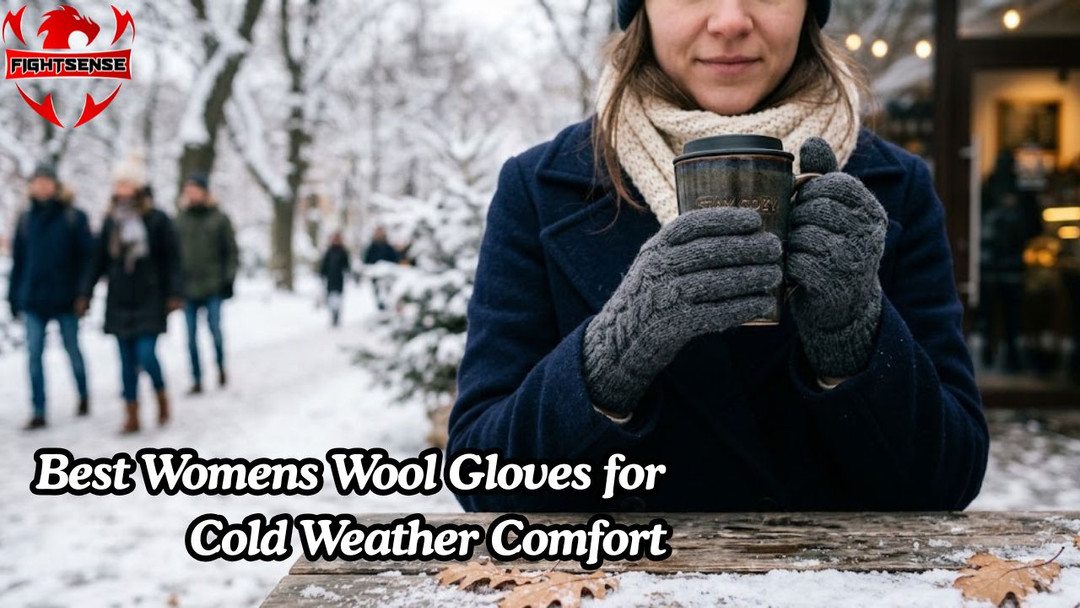
Investing in high-quality womens wool gloves solves this exact dilemma. Wool acts as a natural thermoregulator, trapping body heat while letting moisture escape so your hands stay warm without getting sweaty. Whether you are commuting on crisp mornings, walking the dog, or gearing up for indoor workouts or rides with premium handwear like MMA, boxing, cycling, and weightlifting gloves from FightSense, keeping your hands properly insulated is essential for staying comfortable and active throughout the cold months.
Understanding Women's Wool Gloves: Why They Matter for Winter
Wool remains one of nature's most advanced functional textiles. Unlike synthetic polyesters or acrylics, natural wool fibers feature a crimped structure that creates millions of tiny air pockets. These pockets trap body heat, generating an effective insulating barrier against freezing ambient temperatures.
Furthermore, wool retains insulating properties even when damp. If you get caught in light rain or snow, wool fibers absorb up to 30% of their weight in moisture before feeling wet to the touch, ensuring your fingers remain warm during unexpected weather shifts.
Types of Wool: Merino, Cashmere, and Boiled Wool
Not all wool gloves feel or perform the same way. Understanding the fiber source helps you pick the right balance of durability, soft feel, and warmth.
- Merino Wool: Sourced from Merino sheep, these fibers are ultra-fine and soft against sensitive skin. Merino wool offers high warmth-to-weight performance and natural odor resistance, making it ideal for daily wear and active outdoor use.
- Cashmere Blend: Harvested from Cashmere goats, this luxurious fiber delivers incredible softness and lightweight insulation. Cashmere gloves are perfect for formal wear or commuting, though they benefit from gentle handling.
- Boiled Wool / Shetland: Boiled wool undergoes a shrinking process that creates a tight, felt-like fabric. This construction blocks cold winds effectively and offers superior durability for heavy winter use.
Key Features to Look For in Womens Wool Gloves
Before making a purchase, evaluate these essential design details to ensure your gloves match your daily routines:
- Touchscreen Compatibility: Look for styles featuring conductive threads sewn into the thumb and index fingertips so you can operate smartphones without exposing hands to the cold.
- Lining Materials: Unlined knitted wool provides breathability, whereas fleece-lined or silk-lined interiors add extra wind resistance and plush comfort.
- Cuff Length: Extended ribbed cuffs tuck securely under jacket sleeves to seal out drafts and keep snow from entering.
- Grip Enhancements: Leather or suede palm patches improve steering wheel control and prevent items like smartphones or dog leashes from slipping.
Comparing Popular Women's Glove Materials
|
Material Type |
Warmth Level |
Wind Resistance |
Breathability |
Care Level |
|
100% Merino Wool |
High |
Moderate |
Excellent |
Hand Wash / Dry Flat |
|
Cashmere Blend |
High |
Low–Moderate |
High |
Hand Wash / Dry Clean |
|
Boiled Wool |
Very High |
High |
Moderate |
Spot Clean / Hand Wash |
|
Synthetic Acrylic |
Low–Moderate |
Low |
Low |
Machine Washable |
|
Leather with Wool Lining |
Very High |
Excellent |
Moderate |
Leather Cleaner Only |
How to Size and Fit Wool Gloves Correctly
- Measure Your Palm: Wrap a flexible tape measure around the widest part of your dominant hand (excluding the thumb).
- Check Finger Length: Measure from the crease at the base of your wrist to the tip of your middle finger.
- Compare to Size Charts: Standard sizing ranges from Small (6.5 -- 7 inches) to Large (8+ inches).
- Allow Room for Insulation: Avoid overly tight fits. Gloves that fit too snug restrict blood circulation and squeeze out insulating air pockets, leaving hands feeling colder.
How to Wash and Care for Wool Gloves
Proper maintenance preserves the shape, softness, and thermal efficiency of natural wool fibers for years.
- Submerge in Cool Water: Fill a basin with cool or lukewarm water and add a mild wool-safe detergent or gentle shampoo.
- Soak and Swish: Gently agitate the water with your hands. Avoid twisting, wringing, or scrubbing aggressively to prevent felting and shrinkage.
- Rinse Thoroughly: Press out excess water by sandwiching the gloves between two clean towels. Never wring out wool.
- Reshape and Dry Flat: Lay the gloves flat on a drying rack away from direct heat sources or harsh sunlight.
Pros & Cons of Wool Gloves
Pros:
- Natural thermoregulation keeps hands warm across variable temperatures.
- Retains warmth even when damp from snow or rain.
- Breathable and naturally resistant to odor-causing bacteria.
- Classic, timeless design pairs effortlessly with casual and formal outerwear.
Cons:
- Unlined knits allow cold breezes to penetrate high-wind environments.
- Requires hand washing to prevent shrinkage and fabric damage.
- Premium natural fibers require a higher initial investment than cheap synthetics.
Expert Tips for Maximum Hand Warmth & Fitness Performance
- Layering System: On extremely cold days (-10°C/14°F or below), wear thin merino wool gloves as thermal liners inside heavy windproof mittens.
- Keep Core Warm: If your body's core temperature drops, your body reduces blood flow to extremities like hands and feet. Wear a warm coat and hat alongside your gloves.
- Transition Between Outdoor & Indoor Training: Protecting hand joints from biting outdoor winds keeps fingers flexible and active. When stepping into the gym, ring, or track, swap your casual winter wool gloves for specialized athletic handwear—such as FightSense weightlifting gloves, gym gloves, cycling gloves, or boxing and MMA gloves—to ensure maximum grip, protection, and peak performance.
- Store Correctly: Off-season, store cleaned wool items in breathable cotton bags with cedar balls to protect against fabric moths.
Get Yours Now!
Common Mistakes to Avoid
- Washing in Hot Water: Hot water causes wool fibers to shrink and feel irreversibly. Always use cool water.
- Hanging to Dry: Hanging wet gloves stretches out the cuffs and fingers due to water weight. Always lay them flat.
- Buying Too Small: Tight gloves cut off warm blood flow to your fingertips. Prioritize a comfortable, relaxed fit.
- Ignoring the Wind Factor: Standard knit wool breathes well but lets strong gusts through. Choose fleece-lined or boiled wool options for high-wind conditions.
FAQs:
Are wool gloves warmer than leather gloves?
Wool offers superior natural insulation and breathability compared to unlined leather. However, leather lined with wool or shearling provides maximum windproofing alongside high warmth.
Do wool gloves shrink when washed?
They can shrink if exposed to heat, hot water, or heavy mechanical agitation in a washing machine. Always hand wash in cool water and dry flat.
Is merino wool worth the extra money?
Yes. Merino wool provides a softer texture against skin, higher thermal insulation, excellent durability, and natural odor resistance compared to standard wool or synthetic alternatives.
What is the difference between knit wool and boiled wool?
Knit wool features open loops that offer high breathability and flexibility. Boiled wool undergoes a hot water process that compacts the fibers into a dense, wind-resistant fabric.
How long should a good pair of wool gloves last?
With proper hand care and dry-flat storage, high-quality wool gloves comfortably last anywhere from 3 to 5 winter seasons of regular wear.
Conclusion
Upgrading your winter wardrobe with a quality pair of womens wool gloves ensures your hands remain comfortable and mobile all season long. By choosing fine merino wool or dense boiled wool, you gain an ideal balance of warmth, breathability, and timeless cold-weather style.
Disclaimer:
This article is for informational purposes only. Always check product labels for care instructions and fit before purchasing wool gloves.