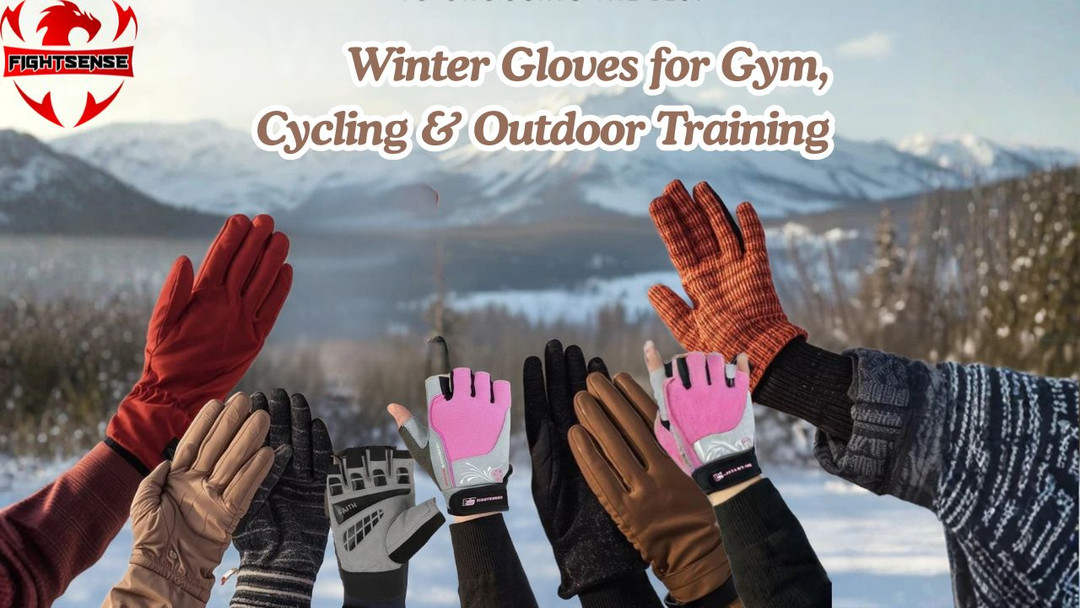
Winter Gloves for Gym, Cycling & Outdoor Training
Training in cold weather presents unique physical challenges. When freezing temperatures settle in, steel barbells turn into ice blocks, outdoor pull-up bars strip away grip strength, and biting winds during winter cycling numb your fingers in minutes. Wearing standard casual winter gloves or heavy snow mittens ruins dexterity and causes slippage. To maintain peak performance, you need high-grade winter gloves engineered specifically for athletic execution—combining thermal retention, moisture management, and reliable palm traction.
Whether you are lifting heavy in a cold garage gym, logging miles on a winter bike ride, or doing outdoor conditioning, keeping your hands warm is vital for both safety and progress.
Why Cold Weather Demands Specialized Athletic Gloves
Cold weather severely compromises neuromuscular function in the hands. As environmental temperatures drop, peripheral blood vessels constrict to keep core organs warm. Consequently, circulation to your fingers plummets, causing reduced grip strength, diminished tactical feedback, and stiffness in the finger joints.
Lifting bare-handed on frozen iron gear often causes skin tears, calluses to crack, and barbells to slip during heavy deadlifts or pull-ups. During outdoor cycling, frozen handlebars transfer vibration directly to stiff joints while wind chill numbs the fingers, delaying braking response times.
Standard casual wool or fleece gloves fail in these environments because they lack non-slip palm reinforcement, trap sweat inside, and tear under severe abrasion. Performance-oriented winter gloves solve these problems by balancing insulation with anatomical grip.
Key Features of Performance Winter Training Gloves
Selecting athletic handwear requires looking past basic warmth. Look for these specific features engineered for movement and impact:
- Thermal Neoprene & Fleece Lining: Provides lightweight insulation without adding bulk, preserving full range of motion in finger joints.
- Silicone Micro-Grip & Reinforced Palms: High-friction textures prevent weight plates, barbells, and bike grips from twisting or sliding.
- Moisture-Wicking Breathability: Internal linings pull sweat away from skin to prevent dampness, which rapidly chills hands once active movement stops.
- Windproof & Water-Resistant Shells: Outer barriers block cold drafts during high-speed outdoor cycling or running.
- Extended Touchscreen Compatibility: Conductive fingertips allow seamless operation of smartphone fitness trackers without exposing skin to freezing air.
Comparing Winter Gloves by Sport & Activity
Different athletic disciplines require specialized palm protection, thermal density, and wrist support.
|
Feature |
Lifting |
Cycling |
Running |
|
Focus |
Palm protection |
Wind control |
Light warmth |
|
Material |
Neoprene |
Softshell |
Spandex |
|
Grip |
Steel traction |
Bar damping |
Light texture |
|
Closure |
Wrist strap |
Wind cuff |
Pull-on cuff |
How Fightsense Gloves Support Cold-Weather Training
Training in cold weather doesn't always require bulky winter snow wear. For gym-goers, cyclists, and combat athletes, Fightsense provides heavy-duty weightlifting and cycling gloves engineered for high-intensity training.
While not designed as heavy snow mittens, Fightsense cycling and gym gloves provide the essential barrier needed during winter training:
- Palm & Callus Protection: Prevents frozen steel barbells, dumbbells, and bicycle handlebars from tearing your skin during cold garage gym sessions or outdoor rides.
- Non-Slip Grip Texture: Specially textured palm surfaces ensure a firm hold on cold metal equipment, preventing slipping caused by moisture or freezing temperatures.
- Industrial Double-Stitching: Reinforced stress points at the thumb and palm ensure maximum durability under heavy pulling loads and outdoor use.
- Full Hand Control: Offers the dexterity, wrist support, and joint protection needed for outdoor cycling, boxing conditioning, and for heavy weightlifting.
Get Yours Now!
Pros & Cons of Different Winter Glove Materials
Understanding material properties helps you select the best construction for your training environment.
Neoprene & Synthetic Blends
- Pros: Highly flexible, water-resistant, exceptional wind isolation, tight athletic fit.
- Cons: Lower breathability if worn in mild indoor conditions.
Thermal Fleece & Softshell
- Pros: Extremely comfortable, soft against skin, lightweight warmth for moderate cold.
- Cons: Less water resistance in heavy rain or wet snow.
Leather & Reinforced Microfiber
- Pros: Unmatched abrasion resistance, high structural durability for heavy pulling.
- Cons: Requires longer break-in period and specialized care.
Step-by-Step Guide: Choosing Your Ideal Pair
Follow this practical selection process to match your athletic handwear with your specific environment:
- Assess Your Primary Training Environment: Identify whether you train mostly in unheated garage gyms, outdoor calisthenics parks, or on winter road bikes.
- Determine Needed Insulation Level: Select lightweight softshell fabrics for mild cold (40°F–50°F / 4°C–10°C), and dense neoprene or fleece-lined options for freezing conditions below 32°F (0°C).
- Check Palm Traction Quality: Ensure the palm features silicone grips or textured microfiber to handle freezing steel barbells and knurled handles safely.
- Measure Hand Size Accurately: Wrap a flexible tape measure around your dominant hand just below the knuckles (excluding the thumb) to find your exact size on manufacturer charts.
- Verify Wrist Security: Look for adjustable hook-and-loop straps or extended cuffs to seal out icy drafts and stabilize wrists during heavy lifts.
Expert Maintenance Tips for Long-Lasting Durability
Proper care extends the life of high-performance athletic gloves and preserves hygiene:
- Air Dry Immediately: Never toss damp gloves into a closed gym bag. Hang them by the cuffs in a well-ventilated space after workouts.
- Hand Wash with Mild Detergent: Wash in cool water to preserve synthetic rubber elasticity and silicone grip patterns.
- Avoid High Direct Heat: Keep neoprene and microfiber away from high-heat clothes dryers or radiators, as heat breaks down internal adhesives and synthetic fabrics.
- Apply Anti-Odor Treatments: Lightly spray glove interiors with tea tree oil or sports disinfectant to prevent bacterial growth.
Common Mistakes to Avoid When Buying Winter Workout Gear
- Using Heavy Ski Mittens for Lifting: Oversized insulation destroys your grip circumference, making it impossible to wrap fingers safely around barbells or dumbells.
- Ignoring Moisture Management: Buying thick cotton gloves that absorb sweat creates a damp layer that freezes your hands quickly once you take a break.
- Choosing Loose Sizes: Loose fabric slides against skin, causing friction blisters during kettlebell work or long cycling sessions.
- Sacrificing Grip for Warmth: Selecting smooth leather or untextured nylon leads to slipping gear and potential injury.
FAQs:
Q1: Can regular weightlifting gloves be used in the winter?
Standard fingerless weightlifting gloves leave fingers exposed and lack thermal insulation. Cold steel barbells rapidly chill bare fingers, causing joint stiffness and loss of grip control.
Q2: Are winter cycling gloves suitable for garage gym weightlifting?
Yes. High-quality winter cycling gloves feature windproof shells, thermal insulation, and anti-slip palm grips, making them versatile for unheated garage gym sessions and outdoor conditioning.
Q3: How should athletic winter gloves fit?
They should fit snug against the skin without restricting blood circulation or pinching fingertips. A precise, contoured fit preserves tactile feedback and prevents friction blisters.
Q4: Do neoprene training gloves cause hands to sweat during workouts?
Neoprene traps heat effectively, which can lead to sweating during high-intensity sets. Choosing gloves with moisture-wicking inner linings helps pull dampness away from the skin.
Q5: Can thermal training gloves be washed in a washing machine?
Hand washing is recommended to prolong material life. For machine washing, place the gloves in a mesh laundry bag, use cold water on a delicate cycle, and always air dry.
Q6: Are touchscreen-compatible fingertips durable enough for heavy lifting?
Yes. Quality athletic gloves integrate conductive threads directly into reinforced synthetic leather fingertips, preserving touch sensitivity without weakening seam strength.
Q7: Are separate wrist wraps necessary when wearing training gloves?
For heavy overhead presses or Olympic lifts, selecting gloves with built-in adjustable wrist straps provides sufficient support. Alternatively, low-profile glove cuffs allow comfortable pairing with external wrist wraps.
Conclusion:
Training in cold conditions doesn't mean compromising on grip, comfort, or safety. Upgrading to specialized winter gloves designed for athletic performance protects your hands from skin tears, preserves joint flexibility, and keeps your grip secure on cold barbells and handlebars. Look for options that offer wind isolation, thermal lining, and non-slip palm reinforcement.
Disclaimer:
This guide is for informational purposes only. Actual product colors, designs, and specifications may vary. Always refer to official sizing charts and safety guidelines before purchasing or training.