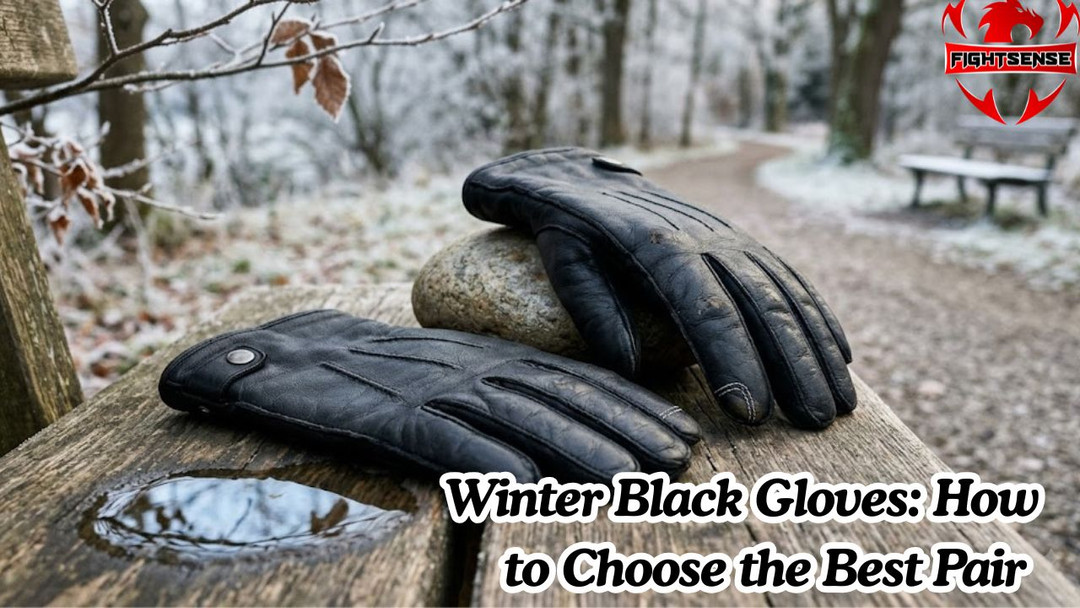
Winter Black Gloves: How to Choose the Best Pair
Finding the ideal pair of Winter Black Gloves can transform cold-weather commuting, outdoor sports, and everyday errands. When freezing winds hit, cold hands quickly ruin your day. However, picking the right pair requires balancing insulation, dexterity, weather protection, and style.
Whether you need sleek black leather gloves for formal events, fleece-lined thermal pairs for daily driving, or waterproof touchscreen options for snow sports, this guide breaks down everything you need to know.
Why Black Winter Gloves Are a Must-Have
Black gloves are a popular cold-weather accessory because they pair easily with formal, casual, and athletic clothing.
Beyond style, dark colors absorb ambient radiant heat slightly better than bright shades. Furthermore, black fabrics hide everyday dirt, city grime, and wear far better than lighter colors, making them low-maintenance for daily winter wear.
Key Materials Compared
|
Material/Construction |
Warmth |
Best For |
|
Leather |
High |
Formal wear & driving |
|
Fleece |
Medium–High |
Daily commuting |
|
Merino Wool |
High |
Layering & mild cold |
|
Waterproof Synthetic Shell |
Depends on insulation |
Snowboarding & hiking |
Features to Look For in High-Quality Cold-Weather Gloves
When shopping for reliable thermal handwear, check for these crucial construction details:
Touchscreen Compatibility
Modern conductive fabric on the index finger and thumb lets you tap smartphones without exposing skin to frigid air. Look for conductive fibers or touchscreen-compatible fingertips.
Thermal Insulation Layers
High-density linings retain body heat without bulk:
- Thinsulate™: Excellent warmth-to-thickness ratio for slim profiles.
- Cashmere or Fleece: Delivers soft, skin-friendly comfort for daily use.
Weatherproofing & Grip
- Waterproof Membranes: Essential for wet snow and freezing rain.
- Silicone Palm Prints: Delivers secure grip on steering wheels, phone screens, and trekking poles
Types of Winter Black Gloves for Every Activity
1. Dress & Driving Gloves
Sleek black leather gloves with cashmere linings offer an elegant fit. They provide windproofing and flexibility for driving without extra bulk.
2. Athletic & Training Gloves
Winter training may require a different type of hand protection than everyday cold-weather gloves. For weightlifting, boxing, MMA, and other training activities, FightSense offers purpose-built gloves and hand protection designed around grip, comfort, and workout performance.
3. Tactical & Performance Work Gloves
Reinforced palms, synthetic leather, and articulated knuckles give dexterity and grip for heavy outdoor work or winter utility.
4. Sports & Thermal Liners
Lightweight, moisture-wicking synthetic gloves function well for winter running or as base liners inside heavy mittens during extreme alpine trips.
Get Yours Now!
Pros and Cons of Common Glove Materials
Pro Tip: Never buy 100% cotton gloves for sub-freezing weather. Cotton absorbs moisture, holds cold against your skin, and loses all insulating ability when damp.
Genuine Leather
- Pros: Premium durability, natural wind-blocking, timeless style.
- Cons: Requires specialized conditioning; untreated leather absorbs water.
Synthetic Thermal Fleece
- Pros: Quick-drying, machine washable, lightweight warmth.
- Cons: Fails in heavy wind unless built with a dedicated windproof barrier.
How to Measure Your Hand for the Perfect Fit
A glove that is too tight restricts blood circulation, making your hands colder. A glove that is too loose lets warm air escape. Follow these steps to find your exact size:
- Wrap a soft measuring tape around your dominant hand across the knuckles (excluding the thumb).
- Note the circumference in inches.Use the manufacturer’s sizing chart to match your hand circumference to the correct glove size.
- Measure hand length from the tip of your middle finger down to the crease of your wrist.
- Compare both measurements against the manufacturer’s sizing chart. Always choose the larger size if you fall between dimensions.
Expert Care Tips to Extend Glove Lifespan
- Air Dry Only: Never place leather or insulated thermal gloves on direct radiator heat or inside clothes dryers. High heat shrinks materials and damages waterproof membranes.
- Condition Leather Annually: Apply a wax- or oil-based leather conditioner at the end of the winter season to stop cracking.
- Wash Synthetics Gently: Hand-wash fleece and nylon styles in cool water using mild detergent to protect grip coatings and touchscreen threads.
Common Mistakes to Avoid When Buying
- Ignoring Wind Resistance: Fleece alone keeps you warm indoors, but strong winter gusts cut right through soft knits without a windproof membrane.
- Prioritizing Style Over Lining: A stylish exterior means little if the interior lining lacks proper insulation.
- Buying Too Tight: Trapped air acts as a natural insulator. Your fingers need a slight gap at the tips to stay warm.
FAQs:
Are black gloves warmer than other colors?
Although black can absorb more solar radiation than lighter colors, the difference is minimal for glove warmth. Insulation, lining, wind resistance, and fit matter much more.
What is the warmest lining for winter gloves?
Thinsulate, cashmere, shearling, and heavy fleece offer the best heat retention. Thinsulate provides high warmth without added bulk.
What is the difference between water-resistant and waterproof gloves?
Water-resistant gloves repel light snow and mist. Waterproof gloves feature sealed internal membranes that block prolonged wet snow and rain.
How tight should winter gloves fit?
They should fit snug without feeling restrictive. You should be able to make a loose fist easily without tight pulling across the knuckles.
What should you do if gloves get wet inside?
Remove excess moisture with a clean towel, reshape the gloves, and let them air-dry naturally away from direct heat.
Conclusion
Finding the ideal pair of Winter Black Gloves comes down to matching materials and features with your daily environment. For formal events and commutes, leather or fleece-lined options offer clean style and reliable warmth. For snow sports or wet weather, opt for waterproof synthetic shells with non-slip grips. Check your measurements, prioritize windproofing, and maintain your pairs to enjoy warm, comfortable hands all winter long.
Disclaimer:
This blog is for informational purposes only. Always choose gloves that fit properly and match your activity level and environment.