
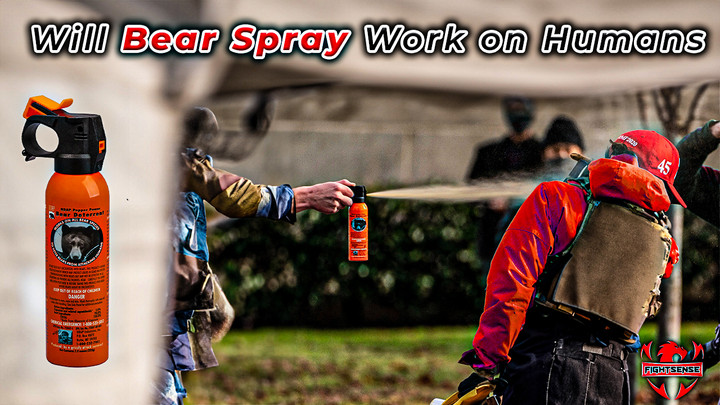
Will Bear Spray Work on Humans? A Comprehensive Examination
24th Aug 2024
Will Bear Spray Work on Humans — When it comes to self-defense, many people question whether animal deterrent sprays designed for large, aggressive wildlife could also be effective against people. Since bear deterrent spray is formulated to stop powerful animals, it’s natural to wonder how it might affect a human attacker.
In this blog, we’ll explore whether wildlife defense spray can incapacitate humans, how it compares to personal protection sprays commonly used for self-defense, and the important legal and safety considerations you should understand before relying on it.
What is Bear Spray?
Bear spray is a highly concentrated form of pepper spray designed specifically to deter aggressive bears. Unlike regular pepper spray, intended for self-defense against human attackers, bear spray is formulated to deliver a potent burst that can affect large animals from a distance.
Its primary active ingredient, capsaicin, is a powerful irritant that causes intense burning sensations in the eyes, nose, and skin. It temporarily incapacitates the bear and gives the user time to retreat to safety.
Will Bear Spray Work on Humans?
Will Bear Spray Work on Humans — One of the most common questions people ask is whether bear spray will work on humans. The answer is yes: bear spray can work on humans, but it is not recommended for several reasons. Bear spray contains the same active ingredient—capsaicin—as pepper spray, but in a much higher concentration and volume.
This makes it incredibly effective at causing intense pain and temporary blindness, even more so than regular pepper spray.
Dangers of Bear Spray on Humans
Its high concentration of capsaicin makes it much more potent than standard pepper spray, leading to severe irritation of the eyes, skin, and respiratory system. When sprayed, it creates a wide cloud that can easily affect unintended targets, including bystanders and the user themselves if the wind shifts.
Health Effects on Humans
In humans, exposure to bear spray can cause intense burning sensations, temporary blindness, difficulty breathing, and even more severe respiratory distress, especially for those with asthma or other breathing conditions. Additionally, due to its strength, prolonged exposure can result in longer-lasting effects, which might require medical intervention.
Legal and Practical Concerns
Bear spray is also designed to disperse over a large area, making it less suitable for controlled environments or close quarters, increasing the risk of affecting innocent individuals. Using bear spray on humans can lead to legal repercussions, as it is typically considered excessive force compared to standard self-defense tools.
For these reasons, bear spray should only be used as intended—for wildlife—and not as a substitute for personal defense against human threats.
Effectiveness on Humans:
- High Potency: Bear spray is typically more potent than standard pepper spray, with a higher concentration of capsaicinoids. When used on humans, it can cause more severe reactions, including intense burning of the skin and eyes, difficulty breathing, and coughing.
- Broad Spray Pattern: Bear spray is designed to create a wide spray pattern to deter bears from a distance of 20 to 30 feet. This wide dispersion makes it difficult to target a specific area when used on humans, potentially affecting innocent bystanders.
- Duration and Impact: The effects of bear spray on humans can last longer due to its high potency and larger volume. This can cause prolonged discomfort and may require medical attention.
How Common are Bear Spray Incidents?
Bear spray incidents, while not exceedingly common, do occur with some regularity, particularly in areas where people frequently encounter bears, such as national parks and wilderness regions. These incidents can involve accidental discharges, misuse, or inappropriate use against humans.
Accidental discharges are a notable concern, often happening when bear spray is improperly handled, carried without safety mechanisms in place, or when individuals are unfamiliar with its use. Additionally, there have been instances of bear spray being used in human altercations, despite it being designed specifically for deterring aggressive wildlife.
Such misuse can lead to serious injuries and legal consequences. While there is no exhaustive global database tracking all bear spray incidents, reports from national park services and outdoor safety organizations suggest that these events, while relatively rare compared to other outdoor accidents, do warrant attention and awareness due to their potential severity and the need for proper handling and education.
Legal and Ethical Considerations
While bear spray is effective on humans, using it for self-defense against people can raise legal and ethical issues.
- Legality: In many regions, using bear spray on humans is illegal because it is considered a more dangerous and aggressive form of self-defense than standard pepper spray. Before carrying or using bear spray for personal defense, it's essential to understand your local laws. Misuse can lead to criminal charges or fines.
- Liability: If you use bear spray on a human and cause injury, you may be held liable for damages. Unlike regular pepper spray, which is legally marketed for self-defense against people, bear spray is intended for use on wildlife. Misusing it could result in legal consequences, especially if it leads to severe injury or health complications.
- Moral Implications: Using a more potent spray designed for large animals on a person can be viewed as excessive force. Ethically, it’s important to consider whether a less aggressive option like standard pepper spray could be equally effective without causing undue harm.
Comparing Bear Spray and Pepper Spray
When deciding whether to use bear spray or pepper spray for self-defense against humans, consider the following:
- Purpose and Design: Pepper spray is designed specifically for self-defense against humans, with a controlled spray pattern and a concentration that effectively incapacitates without causing permanent harm. Bear spray, however, is designed to create a large cloud to deter bears from a distance, making it less suitable for controlled use in human encounters.
- Accessibility and Control: Pepper spray offers more controlled dispensing, allowing the user to aim and deliver a precise burst. Bear spray’s wide, fog-like spray can affect a broader area, potentially harming unintended targets or bystanders.
- Legal Availability: Pepper spray is widely available for personal use, whereas bear spray is often regulated and may only be legally purchased or carried for use against wildlife.
Safety Tips for Using Bear Spray
If you decide to use bear spray for any reason, it's crucial to follow these safety guidelines:
- Understand the Risks: Be aware of the risks involved in using bear spray on humans, including potential legal consequences and the physical harm it can cause.
- Proper Training: If you are going to carry bear spray, make sure you know how to use it correctly. Understand the range, spray pattern, and effects to avoid accidental discharge or misuse.
- Consider Alternatives: In most cases, standard pepper spray is a more suitable and legally sound option for self-defense against humans. It offers effective protection without the added risks associated with bear spray.
- Know the Laws: Always check local regulations regarding the use of bear spray and pepper spray. Laws can vary widely by region, and it’s important to stay informed to avoid legal repercussions.
Situations Where Bear Spray Might Be Used on Humans
There are some scenarios where individuals might consider using bear spray on humans, such as in remote areas where animal encounters are likely, and the same spray could theoretically deter a human threat. However, it is crucial to remember that bear spray is not designed for human use, and using it this way could result in unintended harm or legal issues.
Alternatives to Bear Spray for Self-Defense
For most people looking for a self-defense tool, traditional pepper spray or a stun gun is a better option. Pepper spray designed for use on humans is effective and less likely to cause serious harm or legal complications. Additionally, these tools are easier to carry discreetly and are specifically designed to incapacitate a human attacker without causing long-term damage.
Conclusion
Bear spray can work on humans due to its high potency and broad spray pattern, but it is not recommended for this purpose due to the potential for severe reactions, legal complications, and moral considerations. For personal self-defense, standard pepper spray is usually the better choice as it provides a safer, more controlled, and legally acceptable option for protecting yourself.
Always be aware of your local laws and regulations when choosing a self-defense tool, and consider the potential consequences of its use. By understanding the differences between bear spray and pepper spray, you can make an informed decision about which product is best for your self-defense needs while ensuring you stay within the bounds of the law.
Disclaimer:
This article is for informational purposes only. Always consult local laws and regulations before using any self-defense spray. The misuse of bear spray can have serious legal and health consequences.
FAQs
- Can bear spray be used on humans for self-defense?
It can work on humans, but it is not recommended for personal defense. - Is bear spray stronger than regular pepper spray?
Yes, bear spray is stronger and has a wider spray pattern. - What are the dangers of using bear spray on humans?
It can cause intense burning, breathing issues, and temporary blindness. - Is it legal to use bear spray on humans?
Laws vary, but using bear spray on people can be considered excessive force. - How effective is bear spray on humans compared to pepper spray?
It is powerful but less practical and riskier than regular pepper spray for self-defense. - What should I do if I accidentally get sprayed with bear spray?
Move to fresh air, rinse with water, and seek medical help if needed. - Can bear spray be carried for personal defense?
It may be allowed, but self-defense pepper spray is safer and more suitable.