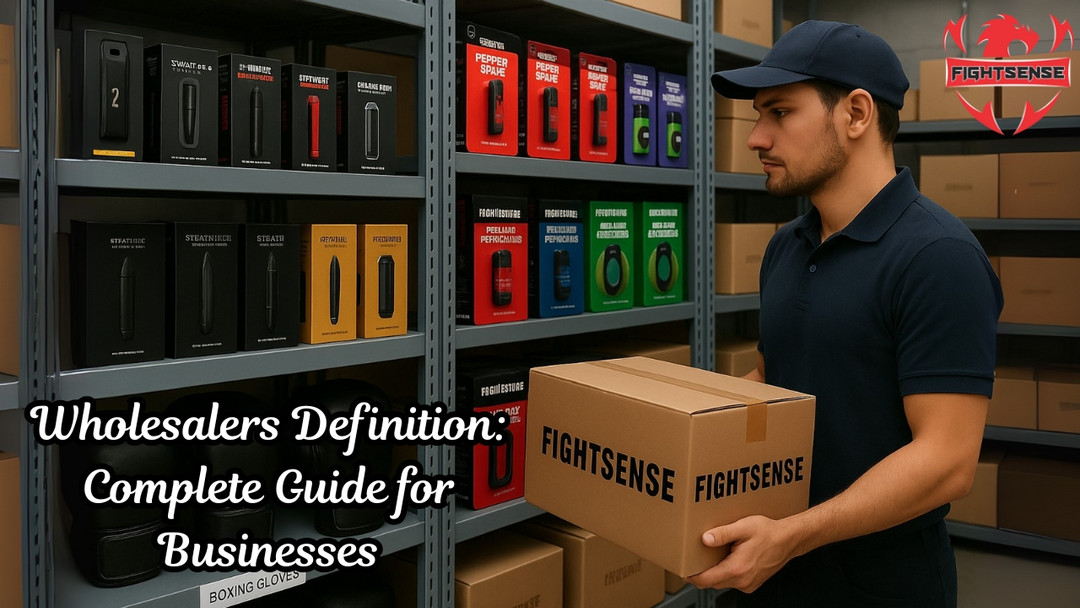
Wholesalers Definition: Complete Guide for Businesses
Have you ever wondered how your favorite store keeps its shelves full without paying full price for every item? It all starts with understanding the wholesalers definition: wholesalers are people or businesses that buy large amounts of goods from producers and sell them on to retailers or other buyers at a lower price per unit. Once you grasp that idea, the whole supply chain starts to make sense, whether you run a shop, sell online, or are simply curious about how products reach you.
Keynotes
- Wholesalers buy in bulk from manufacturers and sell to retailers, not to the general public.
- Buying wholesale lowers the cost per unit, which protects your profit margin.
- There are several kinds of wholesalers, from full-service firms to specialist suppliers.
- Always check a supplier's reputation, order a sample, and read the terms before you pay.
- A good wholesaler becomes a long-term partner, not just a one-time seller.
What Is a Wholesaler?
A wholesaler is a business that sits between the maker of a product and the shop that sells it to you. Wholesalers buy goods in large quantities, store them in a warehouse, and then sell smaller batches to retailers, online sellers, and other businesses. Because they buy so much at once, they can negotiate lower prices and pass part of that saving on. The retailer then sells each item at a higher price and keeps the difference as profit.
Think of a wholesaler as the middleman who keeps the shelves stocked. Without them, every small shop would have to order directly from dozens of factories, manage huge shipments, and store far more stock than it could sell. Wholesalers take on that work so retailers can focus on their customers.
What the Wholesalers Definition Means in Practice
In practice, the wholesalers definition covers any business whose main customers are other businesses rather than the public. A company that buys 500 water bottles from a factory and sells them in cases of 50 to gyms and gift shops is acting as a wholesaler. The same is true of a firm that imports phone cases by the container and supplies market traders and online stores.
What matters is the role, not the size of the building. The wholesalers definition is less about having a giant warehouse and more about who you sell to and how you price. If most of your sales go to retailers who resell the goods, you are working as a wholesaler, even if your team is small.
Wholesalers vs. Retailers
The simplest difference is the customer. A wholesaler sells to businesses; a retailer sells to the public. Wholesalers trade in large orders and thin margins, while retailers sell single items at higher prices with extra service, such as advice, display, and returns. If you want a fuller breakdown, read this complete guide to what a wholesaler is before you choose a supplier.
Wholesalers vs. Distributors
People often use the two words as if they meant the same thing, but a distributor usually works for one manufacturer or a small set of brands and sells within a set region. A wholesaler is free to stock many brands and many kinds of goods. Both buy in bulk, but a distributor is more like a manufacturer's sales arm, while a wholesaler is an independent trader. For the wider picture, see this guide to wholesale meaning and its business benefits.
Why the Wholesalers Definition Matters for Your Business
Knowing how wholesale works changes the way you buy. When you understand the wholesalers definition, you can spot a real bulk deal, compare suppliers fairly, and avoid paying retail prices for stock you plan to resell. That knowledge protects your margin on every order, which is often the difference between a shop that grows and one that struggles.
The scale of this trade is enormous. According to the U.S. Census Bureau's Monthly Wholesale Trade page, wholesale distributors' inventories were $1,013.1 billion in September 2026, seasonally adjusted. That figure shows just how much stock moves through wholesalers every month, and why finding a reliable one matters so much for a small business.
It also helps you plan. A clear view of the wholesale price advantage lets you work out how much you can save by ordering in bulk, and whether a larger order is worth the extra storage space.
Types of Wholesalers
Not every wholesaler works the same way. The four types below cover most of the market, and knowing which one you are dealing with helps you set the right expectations.
Full-Service Wholesalers
Full-service wholesalers do the most work for you. They store stock, deliver it, offer credit terms, and sometimes help with marketing. They charge a little more per unit, but the service can be worth it when you are starting out or ordering across a wide range.
Limited-Service Wholesalers
Limited-service wholesalers, often called cash-and-carry firms, keep prices low by doing less. You usually collect the goods yourself and pay up front, with no delivery or credit. This suits buyers who know exactly what they want and can handle transport and storage themselves.
Specialty Wholesalers
Specialty wholesalers focus on one kind of product, such as safety gear, sports goods, or electronics. Because they know their niche well, they often carry a wider choice within it and can advise you on what sells. For example, a safety-gear wholesaler may stock a 12-piece flashlight and stun gun bulk pack alongside pepper spray and alarms, so a retailer can fill a whole display from one supplier.
Online and Marketplace Wholesalers
Online wholesalers sell through websites and marketplaces, which makes it easy to compare prices and order from anywhere. Many sellers find their first supplier this way. Just remember that a good-looking website is not proof of a good supplier, so check reviews and order a sample before you commit to a large order.
How to Choose the Right Wholesaler
Choosing a supplier is one of the most important decisions a small business makes. A little care at this stage saves money and stress later.
Check Reputation and Reviews
Start by looking for reviews from other buyers, and ask the supplier for references or trade details. A wholesaler who has served retailers for years will usually be happy to share that history. If a deal looks far cheaper than every other quote, treat it as a warning sign and dig deeper.
Order Samples First
Always order a sample before a bulk order. A sample shows you the real quality, the packaging, and how fast delivery takes. It also tests the supplier's communication. If a sample arrives late or damaged, a full order is likely to bring the same problems.
Compare Real Landed Costs
Do not compare headline prices alone. Add delivery, tax, and any handling fees to find the landed cost of each unit. The cheapest quote on paper can be the most expensive once those costs are added. Once you know the wholesalers definition in practice, you can also ask the right questions about minimum orders and volume discounts.
For example, when I compared bulk safety packs, the six-pack of high-voltage stun guns worked out cheaper per unit than buying single units, even after delivery was added. That is the kind of simple check that keeps a small order profitable.
Read the Terms Before You Pay
Read the payment terms, returns policy, and delivery times before you pay anything. Find out what happens if goods arrive damaged, and whether you can return unsold stock. If you need a permit to buy wholesale in your state, read this guide on how to apply for a wholesale license the right way so you have the paperwork ready.
My Experience Buying Wholesale for the First Time
When I opened my small safety-goods shop, my first wholesale order taught me more than any guide could. I found a supplier online, ordered 50 units of a popular item, and waited. The delivery arrived two weeks late, and three units were faulty. I had already promised stock to customers, so I had to apologize and refund two orders. That mistake cost me money and trust.
For my second order, I changed my approach completely. I ordered a sample first, checked the supplier's reviews, and asked for clear delivery dates in writing. The order arrived on time, and the goods were exactly as described. I also tried a six-piece stun gun flashlight wholesale set as a test line, and it sold steadily enough to become a regular item on my shelf.
The lesson was simple: a good wholesaler is a partner, not just a price list. Learning the wholesalers definition helped me ask better questions, but it was the sample order and the written terms that protected my money. Since then, I have kept two suppliers for my best sellers, so one late delivery never leaves my shelves empty.
Buy Wholesale Safety Gear in Bulk from FightSense and Stock Your Store with Confidence
If you sell safety gear, run a gym, or supply a team, FightSense makes bulk buying simple. You can order pepper spray, stun guns, and flashlights in ready-made bulk packs, with clear prices and no need to negotiate with a string of unknown suppliers. That is a real help for small retailers, gift shops, and community groups who want reliable stock at a fair price without tying up cash in huge orders.
Stock Up on the 24-PC Pepper Spray Bulk Pack for $104.99
One bulk order can cover your whole team, your store shelf, or a season of gifts, and every canister is ready to use straight out of the box.
Shop the 24-PC Pepper Spray Bulk Pack
Plus, orders above $100 ship free at FightSense.
Conclusion
Wholesalers keep the supply chain moving. They buy in bulk, store the goods, and sell them on to retailers at prices that leave room for a profit. If you are starting a shop or adding a new product line, take time to learn the types of wholesalers, check every supplier carefully, and always order a sample first. Do that, and wholesale buying becomes one of the simplest ways to grow a small business.
FAQs
What is a wholesaler in simple terms?
A wholesaler is a business that buys goods in large amounts from manufacturers and sells them to shops and other businesses, rather than to the general public.
What does a wholesaler do?
A wholesaler buys in bulk, stores the goods, and supplies retailers and other buyers in smaller batches, usually at a lower price per unit than a shop would pay.
How do wholesalers make money?
They make money on volume. They buy each item cheaply because they order so many, then sell at a slightly higher price. The gap between the two prices, multiplied by many sales, is their profit.
What is the difference between a wholesaler and a retailer?
A wholesaler sells to businesses, while a retailer sells to the public. Wholesalers handle large orders and low margins; retailers sell single items at higher prices with extra service.
What is the difference between a wholesaler and a distributor?
A distributor usually works for one manufacturer or a small set of brands in a set area, while a wholesaler stocks many brands and sells freely to any business customer.
Can anyone buy from a wholesaler?
Most wholesalers sell only to registered businesses, so you usually need a business name, a tax number, or a resale certificate. Some online wholesalers are more open, but they still expect you to buy in bulk.
Do I need a license to buy wholesale?
It depends on where you live. Many U.S. states ask for a resale certificate or a wholesale license before a supplier will sell to you, so check your state rules before you order.
What should I check before choosing a wholesaler?
Check reviews and references, order a sample, compare the full landed cost, and read the payment, delivery, and returns terms before you pay.