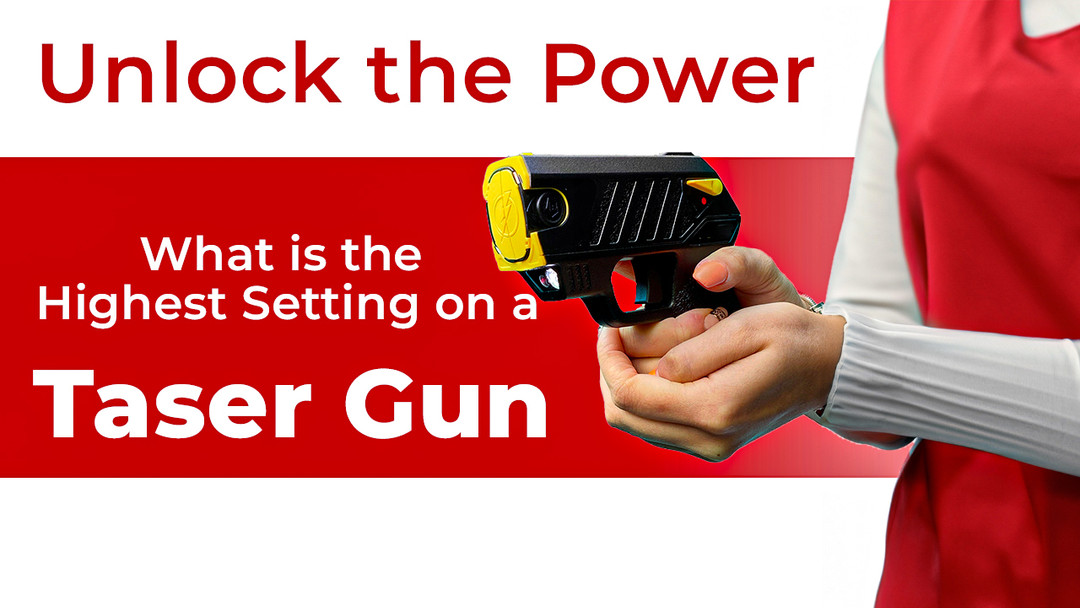
Unlock the Power: What is the Highest Setting on a Taser Gun?
What is the Highest Setting on a Taser Gun and how does it impact personal safety? In the realm of self-defense, taser guns are widely recognized for their ability to temporarily incapacitate assailants using an electrical shock. Understanding the highest setting on a taser gun is essential for users who want to make informed, responsible decisions about their personal protection.
This blog explores what the highest setting on a taser gun means, how it affects self-defense effectiveness, and the key considerations for using a taser safely and responsibly.
Keynotes
-
The highest setting on a taser gun delivers maximum voltage, usually between 50,000 and 100,000 volts, to effectively incapacitate an assailant.
-
Effectiveness depends on prong placement, contact time, and the target’s physical condition.
-
Taser guns offer modes like single-shot, cycle, and drive‑stun for different self-defense situations.
-
Safe use requires following manufacturer instructions, knowing local laws, and proper training.
Understanding Taser Gun Settings
How Taser Guns Disrupt the Nervous System
Taser guns deliver a high-voltage electrical pulse that interferes with the target’s nervous system, causing temporary incapacitation.
What “Setting” Means on a Taser Gun
The setting of a taser gun refers to its voltage level and the intensity of the electrical charge it delivers, with the highest setting producing maximum output.
Purpose of the Highest Setting on a Taser Gun
The highest setting is designed to achieve maximum incapacitation while maintaining safety for the user.
Typical Voltage Range of Taser Guns
Most taser guns operate between 50,000 and 100,000 volts, with effectiveness influenced by distance, probe contact, and placement.
The Myth of Highest Settings
One common misconception is that Taser guns have a "highest setting" that can deliver maximum pain or incapacitation. In reality, the effectiveness of a Taser gun depends on several factors, including:
- Placement: The accuracy of the Taser's prongs is crucial. Contact with a vital nerve or muscle can increase the effectiveness of the device.
- Contact time: The longer the prongs remain in contact with the target, the more effective the shock will be.
- Target's physiology: Factors such as the target's size, weight, and overall health can influence their response to the shock.
Typical Taser Gun Modes
While specific settings may vary between models, here are some common modes found on Taser guns:
- Single-shot mode: This mode delivers a single electrical pulse.
- Cycle mode: This mode delivers a series of pulses, often used for multiple targets or to ensure incapacitation.
- Drive-stun mode: This mode allows the user to press the Taser against the target's skin, delivering a continuous shock.
Safety and Responsible Use
While taser guns are effective self-defense tools, they must be used responsibly. Here are some safety tips:
- Avoid Misuse: Use the taser gun only for self-defense purposes. Misuse or inappropriate use of the device can lead to legal consequences and potential harm.
- Follow Instructions: Always follow the manufacturer’s instructions for using and storing the taser gun. This includes understanding the highest setting and its implications for safety and effectiveness.
Key Considerations for High Settings on Taser Guns
- Effectiveness and Safety: The highest setting on a taser gun delivers a maximum electrical shock to incapacitate an assailant effectively. It's important to use the taser gun responsibly and within safe guidelines to prevent unintended harm.
- Regulations and Legalities: Remember to check local laws for taser gun regulations and avoid potential legal issues.
- Operational Training: Proper training is essential for safely using a taser gun, especially at its highest setting, during self-defense.
- Maintenance and Testing: Regular maintenance and testing are crucial for ensuring that a taser gun functions correctly at its highest setting.
Conclusion
Knowing what is the highest setting on a taser gun and its impact on self-defense is vital for personal safety. Understanding voltage levels, legal rules, and proper handling helps ensure effective use while staying safe and compliant.
Disclaimer
This blog provides general information on taser gun settings and their use for self-defense. Always consult local laws and professional training resources before using a taser gun. The information is intended for educational purposes and should not replace professional legal or safety advice.
Frequently Asked Questions (FAQs)
1. What is the highest voltage setting on a taser gun?
The highest voltage setting on most taser guns typically ranges between 50,000 to 100,000 volts. This high voltage is designed to incapacitate an assailant by delivering a powerful electrical shock.
2. How does the highest setting affect the effectiveness of a taser gun?
The highest setting increases the taser gun’s ability to incapacitate by delivering a stronger electrical shock. However, effectiveness also depends on factors like prong placement, contact time, and the target's physiology.
3. Are there different modes on a taser gun, and how do they work?
Yes, taser guns often have different modes such as single-shot mode (delivers one electrical pulse), cycle mode (delivers a series of pulses), and drive-stun mode (applies continuous shock when pressed against the skin).
4. Is it safe to use a taser gun at its highest setting?
While taser guns are designed for self-defense, using them at their highest setting should be done responsibly. Always follow manufacturer guidelines, ensure proper training, and be aware of legal regulations to prevent misuse or unintended harm.
5. Can the highest setting on a taser gun cause permanent damage?
Taser guns are intended for temporary incapacitation, and the risk of permanent damage is low if used correctly. However, improper use or extended exposure can potentially cause injuries, so it’s crucial to use the device as intended and seek medical help if severe reactions occur.
6. Do local laws regulate the use of taser guns at their highest setting?
Yes, local laws often regulate the use of taser guns, including their voltage settings. It’s important to check and comply with your local regulations to ensure lawful use and avoid legal issues.