
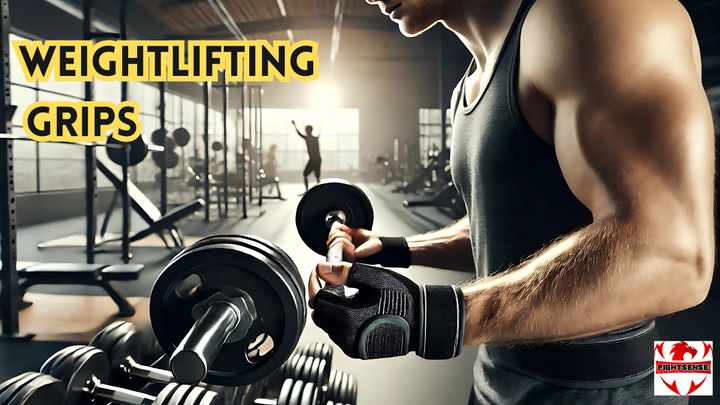
Top Weightlifting Grips for Maximum Strength
14th Apr 2025
Weightlifting grips are essential tools that can help you lift heavier, protect your wrists and hands, and maintain full control over your exercises. They reduce the risk of injury, prevent calluses, and allow you to focus on form during large lifts. Many lifters—both beginners and advanced—who struggle with grip failure find wrist wrap grips especially helpful for maintaining strength and endurance throughout their workouts.
In this post, we’ll cover the best grips for weightlifting, explain why they matter, and guide you on how to choose the right grip for your specific training goals.
Keynotes:
- Boost your lifts safely with premium weightlifting grips.
- Protect your hands and wrists during heavy workouts.
- Choose grips designed for durability and comfort.
- Ideal for beginners and advanced lifters alike.
- Maximize performance with grips built for heavy lifting.
Why Weightlifting Grips Matter?
Grip strength is often overlooked, but it’s crucial for lifting heavy safely. Using the right weightlifting grips can:
- Enhance control during lifts like deadlifts, rows, and pull-ups
- Reduce hand fatigue, calluses, and skin tears
- Provide wrist support and prevent injuries
Professional lifters often swear by grips for maintaining high-intensity training sessions. A strong grip allows you to lift heavier weights without worrying about slipping or losing form.
How Do Lifting Grips Improve Performance?
Weightlifting grips work by improving friction between your hands and the barbell. They support your wrists and hands, letting you lift heavier without compromising safety. For instance:
- Deadlifts: Straps or hook grips let you pull more weight without grip failure
- Pull-ups: Grip pads increase hold and reduce hand strain
- Bench press: Wrist wraps stabilize your wrists and improve pressing power
Many lifters notice immediate performance gains when incorporating quality grips into their routine.
Types of Powerlifting Grips:
1. Lifting Straps
Ideal for pulling movements like deadlifts and rows. They help take the load off your fingers, letting you focus on lifting more weight.
These straps allow you to push heavier without worrying about grip failure, making them perfect for powerlifters.
Pro Tip: Durable options like Fightsense lifting straps provide both comfort and long-lasting support for daily heavy lifts.
2. Wrist Wraps
Support the wrists during pressing exercises, preventing strain and improving stability.
They are especially helpful when lifting overhead or during bench presses, reducing wrist fatigue over time.
Tip: Pairing wrist wraps with proper technique ensures safer lifting and better performance.
3. Gloves with Grip Pads
Protect hands from calluses while improving your hold. Great for high-volume training.
Gloves also allow for better sweat absorption, keeping your hands dry and enhancing your grip.
4. Hook Grips
Perfect for deadlifts and Olympic lifts, providing maximum hold without excessive hand fatigue.
They reduce the risk of slipping on heavy pulls and allow you to lift heavier safely.
Tip: Use hook grips sparingly if you are new to lifting—they require some adjustment but offer unbeatable hold once mastered.
How to Choose the Right Weightlifting Grip?
Choosing the right weightlifting grip depends on your lifting style, goals, and comfort. Powerlifters often prefer lifting straps or hook grips for heavy pulls, while bodybuilders may opt for padded gloves or wrist wraps for higher-rep workouts.
CrossFit athletes usually look for lightweight, flexible grips that allow fast transitions between movements. Material quality, fit, and durability are also key—grips that are too tight or too loose can hinder performance and increase injury risk.
Grip Strength Training Exercises:
Even if you use weightlifting grips, strengthening your natural grip is crucial for overall performance and safety. Incorporating grip-specific exercises can improve hand endurance, forearm strength, and bar control. Here are some effective exercises:
- Farmer’s Carries – Hold heavy dumbbells or kettlebells at your sides and walk for distance or time. This exercise builds grip endurance, forearm stability, and engages your core, helping you maintain control during lifts.
- Plate Pinches – Pinch two weight plates together with your fingers and hold them for as long as possible. This develops finger strength and pinch grip, which is often overlooked in standard lifting routines.
- Towel Pull-Ups – Drape a towel over a pull-up bar and perform pull-ups while gripping the towel. This challenges your grip and forearms more than regular pull-ups, making your hands stronger for heavy lifts.
- Dead Hangs from a Pull-Up Bar – Simply hang from a bar for time. This simple yet effective exercise increases grip endurance and prepares your hands for heavier barbell or dumbbell movements.
Which Grip Should You Use for Different Lifting Scenarios?
Choosing the right grip depends on the type of training you do. Here are some common scenarios and the grips that work best:
- High-Rep Bodybuilding: Padded gloves help reduce hand fatigue and protect against calluses during high-volume sets.
- Heavy Powerlifting: Lifting straps or hook grips allow you to safely lift maximum weights without grip failure.
- CrossFit or Functional Training: Lightweight, flexible grips enable quick transitions between exercises and maintain a strong hold.
- Olympic Weightlifting: Wrist wraps and hook grips provide wrist stability and secure bar control during snatches and clean & jerks.
- Gymnastics or Bodyweight Training: Chalk or minimalistic grips improve friction and prevent slipping on bars or rings while maintaining hand mobility.
How Do You Take Care of Your Weightlifting Grips?
- Wash them after sweaty sessions to prevent odor and bacteria buildup.
- Avoid direct sunlight to protect the material from damage.
- Check for wear and tear before heavy lifts to stay safe.
- Store in a cool, dry place to extend lifespan.
- Rotate between pairs if training frequently to reduce wear.
How Can Lifting Grips Help Prevent Injuries?
- Avoid using grips if you have finger injuries, cuts, or skin conditions that could worsen under pressure.
- Grips help reduce overcompensation by stabilizing wrists and hands during heavy lifts.
- Always pair grips with proper warm-up exercises to prepare muscles and joints.
- Use the correct grip type for each lift to prevent unnecessary strain or slipping.
- Listen to your body—stop if you feel pain or discomfort while using grips.
Conclusion:
Weightlifting grips can transform your lifting experience, offering better performance, support, and protection. Whether you’re pulling heavy deadlifts or pressing for personal bests, the right grip makes a huge difference. Products from Fightsense are an excellent choice for lifters seeking durability, comfort, and strength support.
Disclaimer:
This article is for informational purposes only and is not intended as professional medical or fitness advice.
FAQs:
Q1: Do weightlifting grips prevent hand injuries?
Yes, they reduce strain and protect against calluses, especially during heavy lifts. Using the right grips can also support your wrists and improve overall safety.
Q2: How long should I use grips during training?
Use them during heavy lifts or exercises where your natural grip may fail. For lighter sets or warm-ups, it’s better to train your natural grip strength.
Q3: Can grips improve my deadlift PR?
Absolutely. By reducing grip fatigue, you can focus on lifting heavier safely and maintain proper form throughout your lifts.
Q4: Which grips are best for beginners?
Beginners should start with padded gloves or wrist wraps that provide support without restricting movement. Brands like Fightsense offer beginner-friendly options that are durable and comfortable.
Q5: How do I maintain my grips for long-term use?
Regularly clean and dry your grips, check for wear and tear, and store them in a cool, dry place. Proper care ensures longevity and consistent performance.