Ultimate Grip Strength Training Guide
Grip Strength Training is one of the most underrated components of physical fitness, yet it plays a critical role in nearly every upper-body movement. From lifting weights in the gym to carrying groceries or performing sports activities, your grip strength often determines how effectively you can perform.
A well-designed Functional grip exercises program not only improves hand power but also enhances forearm endurance, injury resistance, and overall athletic performance. In this complete guide, you will learn everything from basics to advanced techniques, science-backed benefits, and a structured training plan.
Keynotes:
- Grip strength is essential for overall upper-body performance and daily tasks.
- Consistent training is more important than heavy or advanced equipment.
- Exercises like dead hangs and farmer’s walks build real strength effectively.
- Balanced training helps prevent wrist and forearm injuries.
- Progress comes with regular practice, proper form, and gradual overload.
What is Grip Strength?
Grip strength is the amount of power that can be created by the muscles of your hands, fingers and forearms to grasp, squeeze or control items. It is a good measure of functional strength of the upper body.
In short, it tests the strength of your hands, when executing actions such as:
- Weight lifting
- Hold items
- Pulling or Hanging Pulling or Hanging
- Load carrying
Grip strength is not simply a hand thing. It’s an integration of all the muscles in the forearm, the tendons and neurological control.
Why Grip Strength Training is Important?
Grip strength isn’t just for sports – it’s an important sign of general physical wellness.
Major benefits:
- Increases pulling power for activities like deadlifts
- Sports performance improvement (cricket, tennis, wrestling, mountaineering)
- Minimises the danger of wrist, elbow and forearm injuries
- Increases endurance for upper body workouts
- easier to do things every day
- Contributes to long-term physical health and strength as you age.
And research correlates grip strength with general longevity and functioning health.
Types of Grip Strength:
A full Grip Strength Training program trains all three major types of grip:
Crush-Grip
This is the ability to smash something with the greatest strength.
Examples include:
- Hand grippers
- Firm handshake
- Squeezed objects
Pinch grip
It’s to keep things between your fingers and thumb without the full support of the palm.
Examples:
- Plates of weight
- Pinch books or blocks.
Grip Assistance
That is the ability to carry weight for a long time.
Examples:
- Dead Hang
- Farmers walk .
- Carrying a heavy bag
Training all three allows for a balanced development of the grip.
Which Muscles Are Worked in Hand grip exercises?
Knowing anatomy makes for better training.
Primary Muscles Involved:
- Flexor Digitorum Profundus: Volitional Control of Finger Bending Force
- Flexor carpi radialis and flexor carpi ulnaris help in wrist movement
- Brachioradialis: Builds Forearm Strength and Size
- Extensor muscles: Control hand opening
- Intrinsic hand muscles: Allow for fine motor control
Equipment Used in Grip power training:
One of the advantages of this training is that it requires minimal equipment.
Common tools:
- Hand grippers
- Pull-up bar
- Dumbbells
- Weight plates
- Resistance bands
- Fat grip attachments
- Towels (for towel hangs)
Many effective Grip Strength Training exercises can be performed at home without a gym.
Best Grip endurance training Exercises
Below are the most effective exercises for building strong hands and forearms.
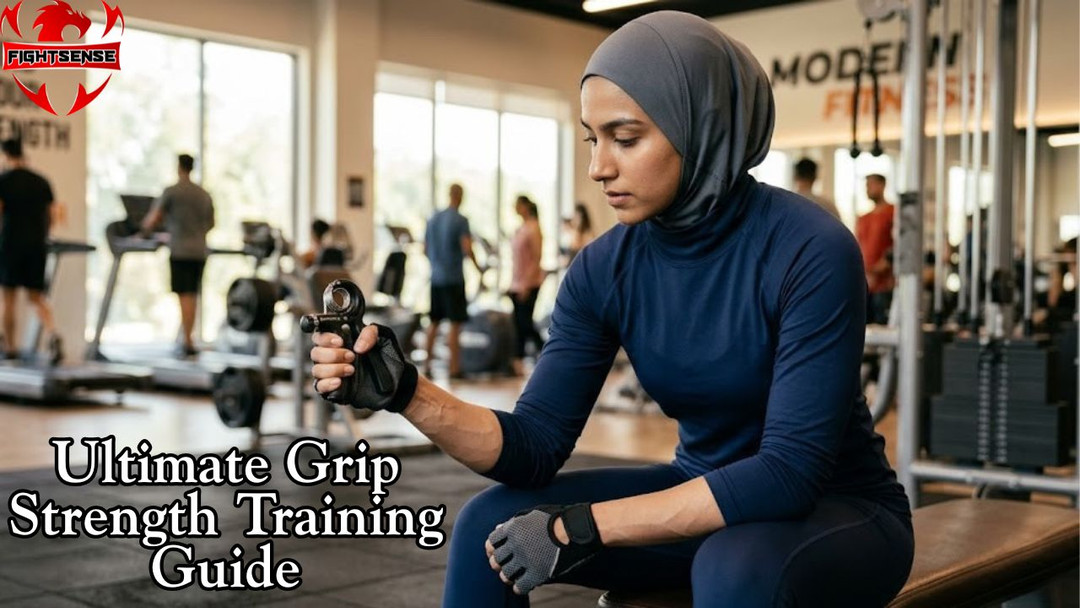
Hand Gripper Training
A classic exercise for crush strength.
- Squeeze fully and release slowly
- 10–15 reps per set
- 3–4 sets
Focus: Maximum contraction and control
Dead Hangs
Hang from a bar for time.
- Hold for 20–60 seconds
- 3–5 rounds
Builds endurance and support grip
Farmer’s Walk
Hold heavy weights and walk.
- Walk 30–60 meters
- 3–4 rounds
Improves grip + core + posture
Plate Pinch Hold
Hold plates using fingers and thumb.
- 10–30 seconds hold
- 3 sets
Develops pinch grip strength
Wrist Curls & Reverse Curls
Forearm isolation exercises.
- 12–15 reps
- 3 sets each direction
Builds forearm thickness and stability
Towel Pull-Ups (Advanced)
Using a towel instead of a bar.
Extremely effective for grip endurance and strength
Hand strength training for Different Goals:
Different people need different training approaches:
Athletes:
- Focus on explosive grip strength
- Use farmer’s walks and towel hangs
Gym Lifters:
- Heavy deadlifts with mixed grip
- Thick bar training
Beginners:
- Light grippers + dead hangs + wrist curls
Advanced Grip Strength Training Tips:
To maximize results:
- Use progressive overload weekly
- Increase hanging duration gradually
- Train all grip types evenly
- Use chalk for better grip stability
- Include heavy holds and static training
- Stay consistent for 6–8 weeks minimum
Best Gear to Improve Grip Strength:
While Grip Strength Training can be done with minimal equipment, using quality fitness gear can help improve control, consistency, and overall performance.
Fightsense is a fitness brand that provides strength and training accessories designed to support general fitness workouts. These tools can be useful for improving workout efficiency and training stability, even if grip strength development mainly depends on proper exercises and consistency.
Common Mistakes to Avoid:
- Training grip daily without rest
- Putting the weight on too quickly
- Ignore control and form
- Only one workout
- Failure to warm up and stretch
Final Thoughts:
Grip Strength Training is one of the most effective yet simple ways to improve overall strength, athletic performance, and daily functionality. Whether you are a beginner or advanced athlete, improving grip strength will directly enhance your physical abilities.
By following this complete guide, you can build stronger hands, better endurance, and improved total-body performance in just a few weeks.
FAQs:
1. What is the fastest way to improve grip strength?
Dead hangs, farmer’s walks, and gradual resistance increase give the fastest results with consistent practice.
2. Why does grip feel weak after workouts
Because forearm muscles fatigue quickly during pulling exercises like rows or deadlifts.
3. Can weak grip increase injury risk?
Yes, it can strain wrists and elbows during heavy lifts due to poor load control.
4. When should grip exercises be done?
At the start if it’s your priority, or at the end if you’re focusing on other main lifts.