
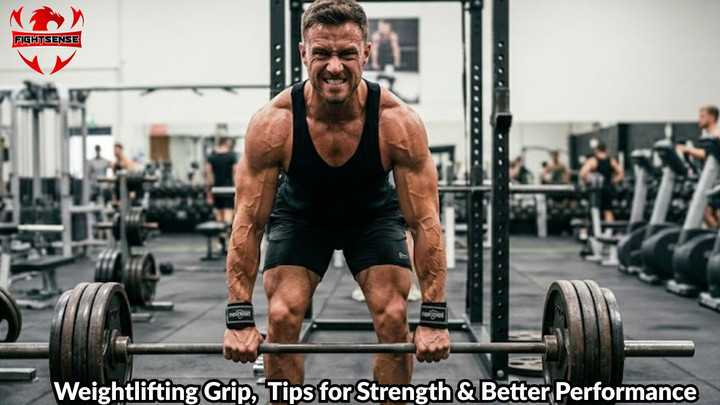
Weightlifting Grip, Tips for Strength & Better Performance
20th Apr 2025
A strong weightlifting grip is key to maximizing strength, performance, and safety in every lift. Without proper hand grips, even experienced lifters may struggle to hold the bar, risking wrist or hand strain.
In this blog, we’ll explore the best powerlifting grips, tips to boost grip strength, and how the right hand grips or wrist wraps can elevate your training.
Keynotes:
- A strong grip enhances lift control, endurance, and overall performance.
- Use different grip styles (overhand, underhand, hook) for balanced forearm strength.
- Combine compound lifts with targeted grip exercises for best results.
- Gradually increase weight and intensity to safely build grip strength.
- Avoid overreliance on straps and maintain proper hand placement.
What is a Weightlifting Grip and Why Does It Matter?
Your weightlifting grip refers to how you hold a barbell, dumbbell, or other equipment during a lift. Grip strength directly affects:
- Maximum weight you can lift safely
- Stability during complex movements
- Forearm and hand endurance
What Makes Grip Strength So Important?
Weightlifting Grip strength is more than just how hard you can squeeze something—it’s a fundamental part of overall lifting performance. Here’s why:
1. Deadlifts Depend on Grip: Even if your legs and back are strong, a weak grip can cause the bar to slip, limiting your progress.
2. Pull-Ups and Rows: Strong grip engages your forearms, allowing better control and more reps.
3. Injury Prevention: Grip weakness can lead to improper hand positioning, which increases the risk of wrist, elbow, and shoulder injuries.
4. Overall Strength Indicator: Studies show grip strength often correlates with general muscle strength and endurance.
By focusing on grip, you’re indirectly improving your lifts and reducing the chance of injury.
Which Grip Should You Use for Maximum Power?
Choosing the right weightlifting grip is crucial because each grip style offers unique advantages:
- Overhand (Pronated) Grip: Common for pull-ups and barbell rows. It challenges forearms and emphasizes back strength.
- Underhand (Supinated) Grip: Often used for bicep curls and chin-ups. It allows more pulling power but may stress the wrists if overused.
- Mixed Grip: One hand over, one under; popular for deadlifts. Provides extra bar control but can cause muscle imbalances if not alternated.
- Hook Grip: Thumb wrapped under the fingers, commonly used in Olympic lifts. Secure for heavy lifts, though it may be uncomfortable initially.
- Straps & Chalk: Useful for max lifts when your grip is the limiting factor, but don’t rely on them constantly—they don’t develop true grip strength.
Selecting the right grip depends on your lift, personal comfort, and the weight you’re handling.
How Does Grip Actually Boost Your Lifting Performance?
A strong grip does more than just help you hold the bar—it directly enhances your lifting performance. When your hands and forearms can maintain a secure hold, you can lift heavier weights, perform more reps, and execute movements with better control.
For example, during a deadlift, a firm grip ensures the bar stays steady, allowing your back and legs to do the work efficiently without worrying about slipping. Similarly, in pull-ups or rows, a solid grip recruits more muscle fibers, improving overall strength and endurance.
How Can You Train Your Grip Without Overdoing It?
Grip strength is like any other muscle—it improves with consistent, targeted training. Here are key methods:
Forearm Exercises
- Wrist Curls: Hold a dumbbell or barbell and curl your wrists up and down.
- Reverse Curls: Strengthens the extensors, balancing wrist and forearm development.
Hand and Finger Strength
- Farmer’s Carry: Hold heavy weights in each hand and walk a set distance. Builds static grip.
- Plate Pinches: Pinch weight plates between your fingers to improve pinch strength.
- Grippers: Hand grippers can be used daily to gradually increase closing force.
Compound Lifts
- Deadlifts, pull-ups, and rows naturally strengthen grip if you focus on holding the bar tightly.
Progressive Overload
- Gradually increase weight, duration, or reps to avoid overtraining and ensure steady improvement.
Are You Making These Common Grip Mistakes?
Even experienced lifters make errors that limit weightlifting grip performance:
- Overreliance on Straps: Straps can mask weaknesses; use them selectively.
- Neglecting Forearm Development: Ignoring wrist and forearm exercises slows grip progress.
- Poor Hand Placement: Hands too wide or narrow reduce leverage and efficiency.
- Overtraining: Excessive grip work leads to tendon strain and fatigue.
Avoiding these mistakes ensures your grip grows stronger safely and effectively.
What Simple Tips Can Instantly Improve Your Grip?
Here are practical tips you can implement today:
1. Use Chalk for Better Friction: Reduces slipping during heavy lifts.
2. Include Grip in Warm-Ups: Wrist circles, light hangs, or plate pinches wake up your forearms.
3. Train Static and Dynamic Grip: Static holds (like farmer’s carries) and dynamic movements (like pull-ups) complement each other.
4. Frequency Matters: Two to three focused grip sessions weekly give optimal results.
Which Tools Can Supercharge Your Grip Strength?
Building a stronger weightlifting grip isn’t just about doing more reps—it’s also about using the right tools to train effectively. Equipment like hand grippers, wrist rollers, and grip trainers can target your forearms, fingers, and palms in ways that standard lifts might not.
Fightsense offers high-quality, ergonomic grip trainers that cater to all levels of lifters, from beginners to advanced athletes. Incorporating these tools into your routine can help you lift heavier, improve endurance, and maintain proper form, making every workout more productive and reducing the risk of hand or wrist fatigue.
Conclusion:
Weightlifting Grip strength is more than just holding a bar—it’s the foundation of better lifts, improved control, and injury prevention. By choosing the right grip, training consistently, avoiding common mistakes, and using smart brand like Fightsense, you can elevate your performance across all lifts. Start integrating these strategies today, and watch your strength, endurance, and confidence soar in every workout.
Disclaimer:
This content is for informational purposes only and is not a substitute for professional medical or fitness advice. Always consult a qualified trainer or healthcare professional before starting any new exercise program.
FAQs:
Q1: Can grip strength prevent wrist injuries?
Yes. Strong grips stabilize wrists and forearms, lowering tendon strain and injury risk.
Q2: Does grip affect Olympic lift power?
Absolutely. A secure grip ensures better force transfer and control in lifts like snatch and clean & jerk.
Q3: Should I train grip separately or with lifts?
Both. Compound lifts build functional grip, while dedicated exercises target forearms and fingers.
Q4: Do different grips work different muscles?
Yes. Overhand targets extensors, underhand targets flexors, and hook grip engages both.
Q5: How to reduce grip fatigue in long sessions?
Alternate grips, use chalk, rest forearms, and build endurance gradually.