
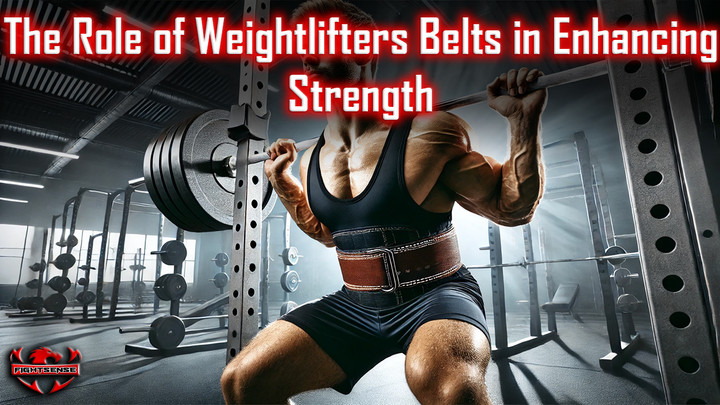
Weightlifters Belts: Boost Strength Fast
20th Mar 2025
Weightlifters Belts are more than just gym accessories—they’re essential for building strength, improving stability, and protecting your body during heavy lifts.
Whether you’re a beginner focusing on proper form or an experienced athlete aiming for new personal records, weightlifters belts provide crucial support, enhancing performance and safety during training.
Key Highlights:
-
Provides core stability by increasing intra-abdominal pressure.
-
Maintains spine neutrality, protecting it and aiding in heavier lifts.
-
Promotes proper form, improving technique and preventing injury.
-
Ideal for maximum lifts, not for smaller exercises.
Weightlifters Belts: A Vital Part of Your Lifting Gear:
A weightlifters belt is an essential tool for anyone serious about weightlifting, providing crucial support during heavy lifts. Whether performing deadlifts, squats, or overhead presses, the belt stabilizes your core and lower back, helping turn a challenging lift into a safe and effective one.
But why do lifters rely on these belts? By increasing intra-abdominal pressure, a weightlifters belt improves posture, aligns the body properly, and reduces strain on the spine—allowing athletes to lift heavier weights with greater safety and confidence.
Why Weightlifters Wear Belts:
Many beginners often ask, "Why do weightlifters wear belts?" These belts are primarily used to boost performance and reduce the risk of injury.
A weightlifters belt works by increasing intra-abdominal pressure when worn tightly, providing extra support for the spine. This added stability helps lifters maintain a neutral spine throughout their lifts, making heavy movements safer and more effective.
Key Features and Functionality of Weightlifters Belt:
-
Material: Typically made of leather or nylon, offering flexibility and strength for support.
-
Width: Most belts are 4 inches (ca. 10 cm) wide, providing lower back and abdominal support without restricting movement.
-
Core Activation: Raises intra-abdominal pressure to efficiently engage core muscles, providing a solid lifting foundation.
-
Spinal Support: Enhances posture and helps protect the spine during heavy lifts.
-
Improved Technique: Promotes better form and alignment, improving overall lifting technique.
The advantages of wearing weightlifting belt:
Wearing a weightlifters belt offers many advantages, particularly for high-intensity movements like deadlifts or squats. Among the main advantages are:
1. Core Resilience: A weightlifter's belt improves core engagement by giving additional support, so enabling improved force transmission and more efficient lifting.
2. Vertebral Safeguarding: Add intra-abdominal pressure to help keep the spine in a neutral position during large lifts and lower the danger of spinal compression.
3. Optimization: Using a weightlifter's belt increases stability and lowers the possibility of damage, thereby enabling you to raise larger weights more safely.
4. Enhanced Technique: The belt's increased support helps to correct form and posture, therefore lowering the danger of negative habits starting during training.
5. Mitigation: Particularly during compound exercises like squats and deadlifts, which apply great pressure on the spine, the weightlifters belt helps guard the lower back from too much strain.
Maximizing the Weightlifters Belt Effect:
Although a weightlifters belt has several advantages, proper use is essential to maximize its effectiveness. The belt should be snug but not overly restrictive. When worn correctly, it should feel firm around your midsection, supporting your core while still allowing normal breathing and movement.
To get the most out of a weightlifters belt, be sure to:
-
Tighten it correctly: Fasten the belt tightly around your waist such that it creates intra-abdominal pressure but not so tight as to prevent your breathing.
-
Engage your core: To maximize the impact of the belt, deliberately tense your abdominal muscles when lifting. This stabilizes the spine and helps produce the highest intra-abdominal pressure, therefore reducing damage.
-
Use it just for big lifts; it's advisable to wear the weightlifters belt during maximal or almost maximum exercises. For smaller lifts, concentrate on developing your core free from the belt.
How I Stay Safe with a Weightlifters Belt During Heavy Lifts:
When I first started lifting heavy, I often wondered if a belt was really necessary. Over time, I discovered that wearing a weightlifters belt not only boosts my performance but also significantly reduces the risk of injury.
In my experience, the belt increases intra-abdominal pressure, giving my spine the support it needs during heavy lifts. With it on, I can maintain a neutral spine and lift heavier weights more confidently and safely.
Shop Now !
FAQs:
1. Do I need a weightlifters belt for all lifts?
No, belts are mainly for heavy or maximal lifts. Lighter exercises are better for natural core development.
2. How tight should a weightlifters belt be?
Tight enough to feel firm support around your waist, but not so tight that it restricts breathing or movement.
3. Leather or nylon—which is better?
Leather is best for heavy lifts due to maximum support; nylon is more flexible and comfortable for lighter or higher-rep training.
4. Can beginners use a weightlifters belt?
Yes, but focus on proper form first. A belt is helpful once lifting heavier weights safely.
5. How does a belt improve lifting performance?
It raises intra-abdominal pressure, stabilizes the spine, engages the core, and helps maintain proper technique for safer, stronger lifts.
Conclusion:
Ultimately, everyone who wishes to safely and efficiently raise their lifting ability will find a weightlifters belt to be absolutely essential. Weightlifters belts are absolutely essential for boosting performance during large lifts since they increase core stability, shield the spine, and promote general technique.
Investing in a premium weightlifting belt will significantly affect your training outcomes regardless of your level of experience as an athlete.
Disclaimer:
Consult a fitness professional or doctor before using a weightlifting belt or starting new training.