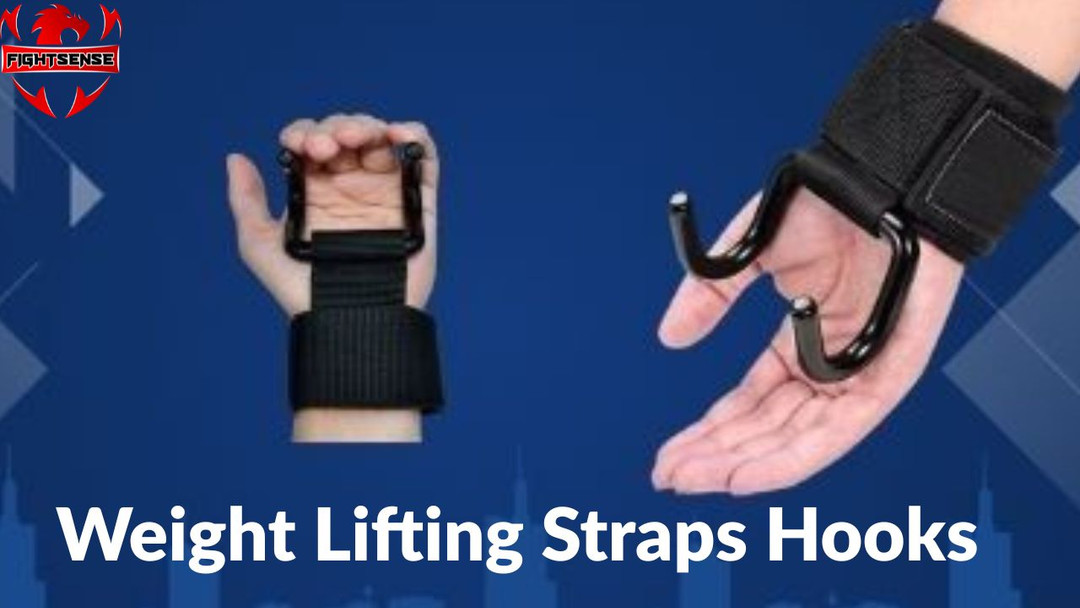
Weight Lifting Straps Hooks: Ultimate Grip Guide
Weight lifting straps hooks are the ultimate secret to unlocking your true strength potential. When heavy resistance training hits a wall because your hands give out before your back or legs do, these accessories completely change the dynamic. By bridging the gap between forearm exhaustion and muscle capacity, they allow you to target muscle groups with absolute precision, eliminate premature hand slippage, and shatter long-standing strength plateaus.
Key Takeaways:
- Bypass Forearm Fatigue: Shift the load away from your hands so your back and legs reach their true limits.
- Instant Bar Security: Skip tedious manual wrapping with a fast, automated steel latch system.
- Shatter Strength Plateaus: Safely handle heavier loads with a padded wrist alignment that stops slipping.
- Protect Your Palms: Let heavy-duty steel hooks absorb the raw friction of maximal deadlifts.
- Maximize Workout Density: Eliminate mid-set cramping breaks to maintain uninterrupted muscle tension.
What Are Weight Lifting Straps with Hooks?
Weight lifting straps with hooks combine traditional wrist support cuffs with heavy-duty steel or reinforced metal hooks. Unlike standard canvas lifting straps that require manual wrapping and twisting around a barbell, hook straps feature a curved metal piece that automatically cradles the bar.
Securing your wrist snugly via an adjustable padded cuff allows the hook to take over the task of holding the weight. This mechanical advantage frees up your focus so you can concentrate entirely on posture, mind-muscle connection, and smooth execution through a full range of motion.
Key Benefits of Using Hook Straps in Your Routine
Incorporating weight lifting straps hooks into your routine delivers immediate and lasting advantages for serious athletes:
1. Enhanced Grip Security and Ergonomics
The primary function of lifting hooks is to establish a rock-solid connection to the bar. By removing friction and skin strain from your palms, the hooks hold heavy loads firmly in place, virtually eliminating accidental slips during sweaty, high-intensity working sets.
2. Drastically Reduced Wrist and Forearm Strain
Traditional gripping requires continuous isometric contraction of the forearm flexors. Padded wrist supports stabilize the joint, preventing discomfort and strain in the smaller hand muscles during massive compound lifts.
3. Accelerated Overload and Plateau Breaking
When your grip is no longer the weak link in your kinetic chain, you can safely handle weights that genuinely challenge your target muscles, promoting progressive strength development.
Comparison: Traditional Straps vs. Lifting Hooks vs. Raw Grip
To help you decide which gripping method best fits your training style, review the following comparison table:
|
Feature / Metric |
Raw Grip (No Straps) |
Traditional Lifting Straps |
Weight Lifting Straps Hooks |
|
Setup Speed |
Instant |
Moderate (Requires manual wrapping) |
Fast (Automatic bar latching) |
|
Grip Fatigue |
Very High |
Low |
Minimal / Negligible |
|
Wrist Support |
None |
Minimal to Moderate |
High (Features reinforced padding) |
|
Best For |
Warm-ups & Olympic Lifts |
High-rep bodybuilding & deadlifts |
Max-effort pulls, rows & shrugs |
|
Skin Protection |
Low (Calluses & tears common) |
Moderate |
High (Bar rests on metal hook) |
Why Your Grip Fails Before Your Muscles Do?
To understand why traditional grip support is often insufficient, it helps to examine the kinetic chain of heavy pulling movements.
When lifting a heavy barbell, the physical load transfers from the steel through your palms, fingers, and wrists before reaching major target areas like your lats, rhomboids, and hamstrings. However, forearm flexors are significantly smaller muscles that accumulate metabolic waste much faster than powerhouse muscle groups.
- The Problem: Your back muscles still possess three or four powerful repetitions, but your grip gives out, forcing you to drop the bar prematurely.
- The Solution: Specialized tools like weight lifting straps hooks shift the mechanical burden away from your fingers, letting your target muscle groups work to complete failure.
Advanced Training Strategies and Programming
To integrate weight lifting straps hooks effectively into a comprehensive training program, consider how and when to deploy them:
- Save Them for Working Sets: Always perform your initial warm-up sets raw to encourage natural tendon and hand strength development before strapping up for heavy sets.
- Compound Pulling Focus: Deploy your gear strictly on high-load compound movements where grip failure limits your performance—such as heavy barbell rows, Romanian deadlifts, and shrugs.
- Post-Set Maintenance: Unlatch immediately between repetitions or sets to restore normal blood circulation to your hands and wrists.
Ideal Exercises for Maximum Impact
While hook straps are versatile, they deliver the highest return on investment during specific pulling patterns:
- Deadlifts and RDLs: Perfect for pulling maximal loads without risking finger failure or uneven mixed-grip imbalances.
- Barbell and T-Bar Rows: Allows you to pull heavy rows with strict form, focusing entirely on contracting your back.
- Weighted Pull-Ups: Excellent for vertical pulls when forearm fatigue sets in late in an intense back session
Get Yours Now!
How to Choose the Best Lifting Accessories
Before purchasing lifting gear, evaluate options against several critical quality benchmarks:
- Material Quality: Look for components constructed from heavy-duty steel and high-density ballistic nylon to withstand severe training torque.
- Wrist Support & Padding: Choose options featuring thick neoprene or foam padding around the wrist cuff to distribute weight evenly and prevent chafing.
- Adjustability: A secure, snug fit guarantees that the hooks will not shift or slide around your wrist during explosive lifts.
Fightsense: Reliable Gear for Serious Lifters
For athletes who demand uncompromised performance and durability, Fightsense delivers top-tier weightlifting gear engineered to withstand punishing training environments.
Combining heavy-duty steel hooks, ergonomic padding, and sweat-resistant materials, this gear ensures that every heavy pull is executed with maximum security and absolute confidence.
- Maximum Grip Security: Engineered hooks hold the bar firmly, erasing hand fatigue and maximizing control.
- Durable & Comfortable Design: Built with high-grade stitching, robust metals, and plush wrist padding for long-lasting performance.
- Supports Peak Athletic Output: Empowers lifters to handle heavier loads safely while maintaining immaculate form.
Conclusion:
Incorporating weight lifting straps hooks into your gym bag is a game-changer for serious strength training. By optimizing your grip, lowering joint strain, and empowering you to push past previous lifting capacities, they unlock exponential muscle development. Select a reliable, high-performance pair from trusted brands like Fightsense, and watch your training consistency and lifting totals climb immediately.
FAQs:
1. Do straps hooks interfere with bar positioning during heavy pulls?
The compact steel hook stays flush against the bar, maintaining a natural center of gravity.
2. Are hook straps approved for powerlifting competitions?
They are banned in sanctioned powerlifting federations but widely used in bodybuilding and strongman training.
3. How do steel hooks affect wrist mobility under maximal tension?
Rigid components restrict excessive bending, locking the wrist into a neutral alignment.
4. Do hook straps require a specific bar diameter to function properly?
Standard Olympic bars fit securely, though extremely thick specialty axle bars may reduce hook engagement.
5. Can beginners safely incorporate lifting hooks into an introductory routine?
Beginners should build foundational grip strength naturally before relying on mechanical assistance.
6. How does improper sizing of the wrist support affect lifting safety?
Loose cuffs allow dangerous shifting under load, whereas a snug fit guarantees stable wrist alignment.
Disclaimer:
Consult a professional trainer or healthcare provider before integrating new lifting accessories into your training regimen, particularly if you are managing pre-existing joint issues, chronic pain, or past injuries.