
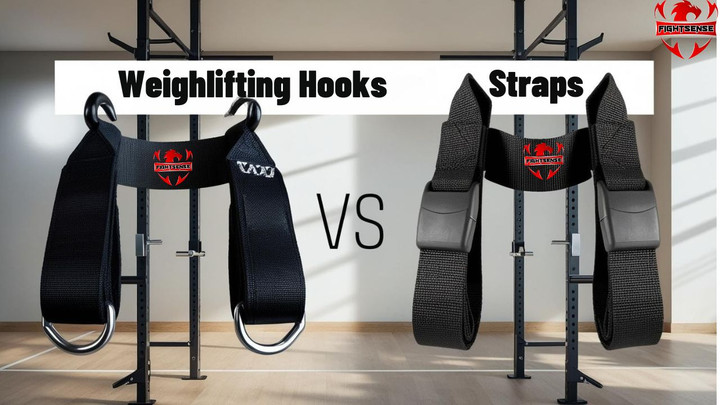
Weight Lifting Hooks vs Straps: Why Hooks are Superior
14th Apr 2025
When lifting heavy, you have most likely wondered: whichis better—weight lifting hooks vs straps? Although both devices help with weight lifting hooks have different benefits even if they enhance grip. With an eye toward their performance, comfort, and general advantages, this blog will investigate why weight lifting hooks are the better option for serious lifters.
Key Highlights:
-
-
Weight lifting hooks enhance grip strength and allow for quicker setup.
-
Unlike lifting straps, they reduce wrist strain and fatigue.
-
Ideal for heavy lifts such as deadlifts and rows.
-
Weight lifting hooks help improve overall lifting performance.
-
They provide better support, stability, and long-lasting durability.
-
What Are Weight Lifting Hooks and Why Are They Used?
Weight lifting hooks are specially designed training accessories that latch securely onto a barbell or dumbbell to improve grip strength and reduce pressure on the wrists, hands, and forearms. Unlike traditional lifting straps that need to be manually wrapped around the bar, hooks provide instant mechanical support by locking onto the weight, making them easier and faster to use.
These hooks are especially helpful during heavy pulling exercises such as deadlifts, shrugs, rows, and pull-downs, where grip fatigue often limits performance before the target muscles are fully trained. By minimizing grip failure, weight lifting hooks allow lifters to focus more on muscle engagement, proper form, and heavier lifts.
Why Weight Lifting Hooks vs Straps Which Are More Effective?
1. Faster and Easier Setup:
The setup time is one of the main benefits of weight lifting hooks vs straps. Conventional straps have you wrap them around the bar and change them with every set. The weight lifting hooks let you move fast between sets since they automatically lock on the bar. Especially in hard lifting sessions when time counts, this efficiency changes everything.
2. Superior Grip Support:
Hooks provide a significantly more safe hold in the weight lifting hooks vs straps fight. The hooks latching straight on the bar eliminates the necessity for depending on wrapping and tension. This produces a more steady, safe grip that reduces the likelihood of slipping on heavier movements like deadlifts or rows. Using weight lifting hooks lets you concentrate on your form and muscle activation free from concern for losing control.
Regarding wrist discomfort, weight lifting hooks offer a clear benefit over straps. Hooks more fairly distribute the weight than straps that could strain your wrists. Particularly when lifting big weights for several repetitions, this lessens strain on your wrists and forearms. More effective training results from your being able to concentrate on your target muscles by means of the even distribution of weight.
The Best Exercises for Weight Lifting Hooks:
Weight lifting hooks help several lifts especially those requiring a strong, safe hold tremendously. Weight lifting hooks are perfect for: here's why.
Deadlifts:
One classic exercise where grip strength is usually the restricting element is deadlifts. By comparing weight lifting hooks vs straps, weight lifting hooks offer a mechanical advantage over straps. This lets you break through plateaus and raise heavier by concentrating just on your form and strength.
Pull-Ups and Rows:
For pull-ups and rows, among other workouts, grip fatigue is a crucial limiting factor. Weight lifting hooks help you to have a strong grasp throughout your set, thereby avoiding grip failure and so affecting your performance. This helps you to more successfully activate your muscles, thereby enhancing the outcomes of your whole exercise.
Durability and Comfort of Weight Lifting Hooks:
Regarding durability, weight lifting hooks usually shine over straps. Made of steel or aluminum, many premium weight lifting hooks guarantee their resistance against the demands of heavy lifting. Furthermore, often padded for comfort, the wristbands help to reduce irritation and discomfort after extended sessions.
For dedicated lifters, weight lifting hooks are an excellent investment since they combine comfort and durability.
Weight Lifting Hooks vs Straps: The Bottom Line:
Weight lifting hooks vs straps, weight lifting hooks clearly outperform straps in terms of weight lifting technique. The go-to tool for heavy lifting is weight lifting hooks since they lessen wrist strain, offer faster setup and better grip support. Weight lifting hooks provide the extra security you need to increase your lifting performance and push past plateaus whether your training is deadlifts, rows, or pull-ups.
FAQs:
1. What’s the advantage of weight lifting hooks over straps?
Weight lifting hooks offer a more secure grip, faster setup, and reduced wrist strain compared to traditional straps.
2. Can weight lifting hooks be used for all exercises?
They are ideal for heavy pulling exercises like deadlifts, rows, shrugs, and pull-ups where grip strength is a limit.
3. Are weight lifting hooks comfortable?
Yes, most hooks include padded, adjustable wrist straps for added comfort during workouts.
4. How do I use weight lifting hooks?
Adjust the wrist straps, place the hooks around the bar, and lift with proper form.
5. Do weight lifting hooks help lift heavier weights?
Yes, they enhance grip support and reduce fatigue, helping you lift heavier and train more efficiently.
Conclusion:
Weight lifting hooks vs straps, when it comes to improving your lifting performance, weight lifting hooks are the better option than straps. Compared to classic straps, they offer a faster setup, a solid grip, and less wrist strain. Should you be committed to lifting, it is advisable to switch to weight lifting hooks and observe how they let you to break through your limitations, increase train intensity, and raise greater weights.
Disclaimer:
Particularly if you have any current injuries, always speak with a fitness professional before adding new accessories or changing your exercise program.