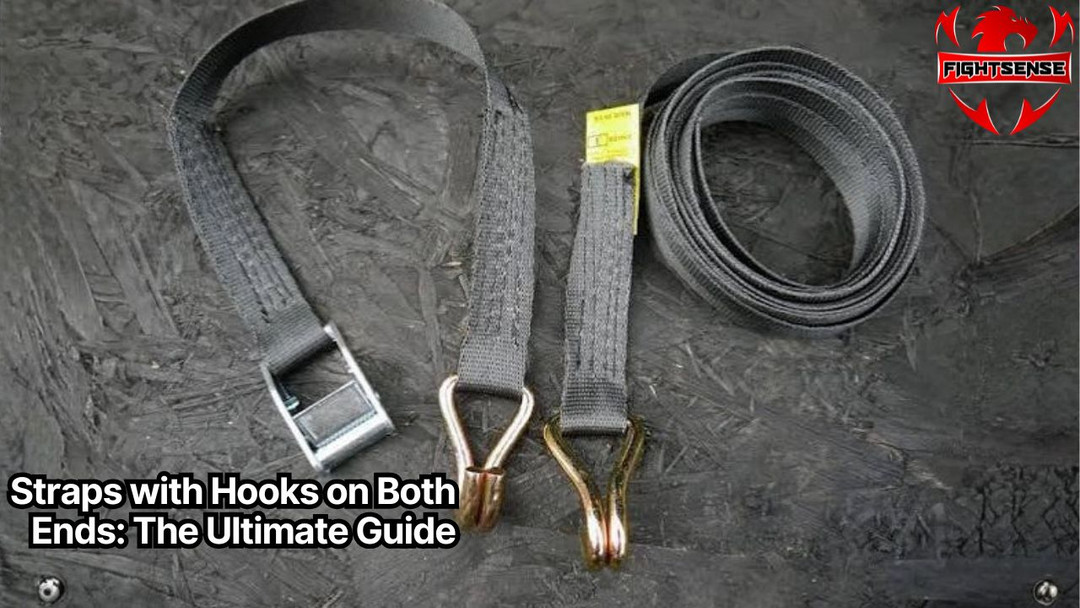
Straps with Hooks on Both Ends: The Ultimate Guide
Tie-down safety can make or break your trip, whether you are hauling equipment on a flatbed, moving household items, or securing gear in your truck bed. When it comes to maximum tension and stability, straps with hooks on both ends are the industry standard for reliable cargo control.
Understanding how to select, thread, and anchor these double-ended hooked straps keeps your loads secure and complies with highway safety standards. In this comprehensive guide, we will break down the types, dynamic load capacities, proper step-by-step usage, and critical safety protocols you need to know.
What Are Straps with Hooks on Both Ends?
Straps with hooks on both ends—often called double-hook tie-downs—are specialized webbing assemblies designed to anchor items between two fixed points. Unlike endless loop systems, they feature hooks at each end and a middle tensioning device, like a steel ratchet or cam buckle. Made from heavy-duty polyester or nylon, they absorb road vibrations without stretching under load.
Beyond cargo management, this dual-support concept is also used in other industries. For instance, fitness brands like Fightsense apply hook-and-strap engineering to weightlifting gear, offering specialized wrist straps and hooks that help athletes securely lock onto heavy bars during training.
Key Types of Hooks Used on Double-Ended Straps
Selecting the right end hardware determines how securely your strap connects to your anchor points (such as D-rings, stake pockets, or roof rack rails).
- S-Hooks: Common on light-duty cam buckle and bungee straps. They slip easily into small eyelets or rings, making them great for lightweight truck bed loads. Look for vinyl-coated S-hooks to prevent surface scratches.
- Snap Hooks (Latch Hooks): Equipped with a spring-loaded safety gate that snaps shut over an anchor ring. These prevent the hook from slipping loose if the load shifts during transport.
- J-Hooks (Double J-Hooks / Wire Hooks): Built from heavy-gauge steel bent into a tight wire loop. They fit into tight space pockets, recessed D-rings, and specialized trailer tracks.
- Flat Hooks: Wide, flattened steel hooks specifically shaped to slip under trailer rub rails or over the sides of flatbed trailers.
Comparing Strap Mechanisms: Ratchet vs. Cam Buckle vs. Bungee
Different jobs demand different tensioning power. Here is how the three main configurations compare:
|
Feature |
Ratchet Straps |
Cam Buckle Straps |
Heavy-Duty Bungee Straps |
|
Primary Mechanism |
Mechanical gear drive ratchet |
Spring-loaded thumb release |
Elastic rubber core tension |
|
Typical Working Load Limit (WLL) |
500 lbs – 5,000+ lbs |
100 lbs – 500 lbs |
15 lbs – 50 lbs |
|
Best Used For |
Motorcycles, machinery, lumber |
Appliances, boxes, kayaks |
Tarp hold-downs, light gear |
|
Risk of Overtightening |
High (can crush soft cargo) |
Low (manual pull strength) |
None |
How to Choose the Right Load Rating (WLL vs. Break Strength)
Before buying or using any double-hook strap, inspect the sewn-in tag for these two vital metrics:
- Working Load Limit (WLL): The maximum direct weight a strap is designed to handle during normal operation. As a standard rule dictated by transport regulations (such as DOT/FMCSA), your strap's aggregate WLL must equal at least 50% of the total weight of the cargo being secured.
- Break Strength: The absolute point of physical failure where the webbing or hook snaps under testing conditions. Typically, Break Strength is 3x the Working Load Limit.
Pro Tip: Never base your cargo setup on Break Strength. Always calculate your tie-down setup using the lower Working Load Limit (WLL) figure.
Step-by-Step Guide: How to Properly Secure Straps with Hooks
1.Inspect Your Gear:Perform visual check before mounting.
Check the webbing for cuts, fraying, chemical damage, or melted spots. Ensure the steel hooks are not bent, cracked, or rusted.
2.Anchor the Fixed-End Hook:Establish initial connection.
Attach the hook on the short end of the strap directly to a factory D-ring, trailer stake pocket, or secure frame rail. Ensure the hook seat rests squarely on the anchor.
3.Extend and Connect the Long-End Hook:Bridge the cargo distance.
Feed the long section of webbing across or around your load. Attach the second hook securely to the opposite anchor point without twisting the webbing strap.
4.Thread into the Tensioner:Engage the ratchet mandrel.
For ratchet systems, insert the free end of the strap through the bottom slot of the central rotating spool (mandrel) and pull through until all loose slack is removed.
5.Apply Tension and Lock:Finalize dynamic load tie-down.
Crank the ratchet handle back and forth until the webbing is taut across your load (leave at least 2 to 3 full wraps of webbing around the mandrel spool). Push the handle completely flat into the locked position.
Pros & Cons of Double-Hooked Straps
Pros
- Universal Compatibility: Quickly snaps into trailer rings, truck beds, roof racks, and frame holes.
- Fast Setup: Simple connection logic—hook both sides, pull slack, and tension.
- High Strength Varieties: Heavy-duty models can hold thousands of pounds securely.
- Modular Length Options: Available in lengths ranging from short 4-foot ties to 30-foot commercial straps.
Cons
- Requires Anchor Points: Useless if your trailer or truck lacks dedicated structural tie-down points.
- Hook Slippage Risk: Unlatched S-hooks can bounce loose if cargo shifts and tension momentarily drops.
Expert Safety Tips & Best Practices
- Add Corner Protectors: Sharp cargo edges act like knives against synthetic webbing under tension. Use plastic edge guards, rubber sleeves, or folded towels to shield straps from friction points.
- Tie Off Excess Webbing: Loose strap ends flapping in the wind can fray quickly, slap your vehicle paint, or catch on passing objects. Tie excess webbing into simple half-hitch knots near the ratchet base.
- Use Soft Loops for Sensitive Surfaces: Avoid hooking metal directly onto chrome motorcycle handlebars or painted frames. Loop a soft strap around the frame and hook your main strap into the soft loop instead.
- Re-check Tension Early: Stop and inspect your straps after the first 10 to 15 miles of driving. Cargo often settles, causing minor strap slackness.
Common Cargo Securing Mistakes to Avoid
- Twisting the Webbing: A twisted strap loses structural integrity and concentrates stress unevenly across its fibers. Always pull straps completely flat.
- Over-tightening Thin Items: Heavy-duty ratchets generate immense leverage. Over-cranking can bend ladder frames, dent kayak hulls, or crush cardboard boxes.
- Hooking Hooks to Each Other: Never hook two double-ended straps together end-to-end to gain extra length unless using engineered connecting links. Joining hooks creates a point of weakness.
- Ignoring Angle Metrics: Directing straps at low horizontal angles reduces downforce efficiency. Maintain a direct angle close to 45 to 60 degrees relative to your cargo base when possible.
FAQs:
1. What are straps with hooks on both ends called?
They are commonly called double-hook tie-down straps, ratchet straps with hooks, dual-hook cam straps, or two-ended cargo straps depending on the tensioning mechanism used.
2. Can use double-hooked straps for towing vehicles?
No. Standard cargo tie-down straps with hooks are engineered to restrain non-moving static loads during transport. Towing vehicles require specialized kinetic recovery ropes or dedicated heavy recovery straps designed for high dynamic impact forces.
3. Why do S-hooks keep falling off while setting up?
Standard S-hooks lack a retention latch. Upgrading to snap hooks with spring latches or using rubber keeper clips will hold the hooks onto anchor points while you thread and tighten the strap assembly.
4. How do you know what width strap you need?
- 1-inch width: Ideal for lightweight DIY tasks, kayaks, lawnmowers, and truck bed boxes.
- 2-inch width: Ideal for trailered vehicles, ATVs, side-by-sides, and medium equipment.
- 3-inch to 4-inch width: Built for commercial flatbed trucking and heavy industrial equipment.
5. How often should tie-down straps be replaced?
Replace straps immediately if you notice fraying, cut edges, broken stitch patterns, chemical discoloration, missing safety tags, or bent metal hardware components.
6. Is nylon or polyester better for hooked tie-down straps?
Polyester is generally superior for tie-downs because it resists water absorption, resists UV degradation, and stretches significantly less than nylon under load weight.
7. What is the difference between a double J-hook and a flat hook?
Double J-hooks use parallel steel wire prongs designed to grab narrow slots, rings, and edge lips. Flat hooks feature a wide, flat steel plate specifically shaped to slide underneath trailer rub rails.
Conclusion:
Using reliable straps with hooks on both ends is one of the easiest ways to ensure your cargo arrives safely at its destination without damage or road accidents. By selecting the right hook design (such as latch hooks or J-hooks), staying within your Working Load Limits, and practicing proper tensioning steps, you can tackle any moving, hauling, or trailering job with confidence.
Disclaimer:
This blog is just for informational needs. When including new equipment into your workouts, always follow correct form and see a fitness professional.