
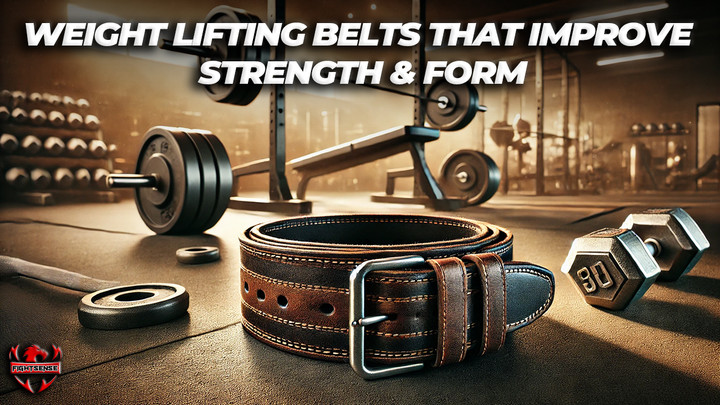
Weight Lifting Belts That Improve Strength & Form
27th Feb 2025
A weight lifting belt is a must-have accessory for serious lifters looking to enhance their performance and prevent injuries. Whether a beginner or a pro, using a weight belt provides stability, improves posture, and allows you to lift heavier with proper form. This guide will explore the best weight-lifting belts, how they work, and why they are essential for strength training.
Key Highlights:
-
weight lifting Belt: Boosts core stability and performance.
-
Injury Prevention: Reduces injury risk during heavy lifts.
-
Choosing the Right Belt: Focus on material, thickness, and buckle.
-
Core Training: Belt supports lifts, not a substitute for core work.
-
Proper Use: Maximizes benefits and protects strength development.
Why You Need a Weightlifting Belt:
A weight lifting belt is essential for athletes and gym enthusiasts looking to maximize their lifting potential while protecting their core. Using a weight belt can significantly enhance stability and reduce injury risks, whether you're powerlifting, bodybuilding, or simply lifting heavy weights.
-
Increased Core Stability – A weight belt creates intra-abdominal pressure, supporting your lower back and core during heavy lifts.
-
Improved Lifting Form – Wearing a lifting belt helps maintain proper spinal alignment, reducing the risk of injuries.
-
Enhanced Strength – The extra support allows lifters to push their limits and lift heavier weights.
-
Injury Prevention – A weight belt for lifting minimizes strain on the lower back, reducing the chance of muscle pulls and herniated discs.
-
Better Performance in Squats & Deadlifts—Weight belts benefit powerlifters and bodybuilders the most, especially in compound movements.
How to Properly Use a Weight-Lifting Belt:
Wearing a weight belt for lifting correctly ensures you get maximum benefits:
-
Position the Belt – Place it around your waist, just above your hips.
-
Tighten the Belt – It should be snug but allow you to take a deep breath.
-
Brace Your Core – Inhale deeply before lifting to create abdominal pressure.
-
Use It for Heavy Lifts – Ideal for squats, deadlifts, and overhead presses.
Benefits of Using a Weightlifting Belt:
1. Increased Core Stability
Wearing a weight lifting belt helps brace your core, allowing you to generate more power when lifting heavy loads. This is especially beneficial for powerlifters and Olympic lifters.
2. Reduced Risk of Injury
A well-fitted weight belt for lifting minimizes spinal flexion, decreasing the likelihood of lower back injuries during intense workouts.
3. Enhanced Performance
Lifters often experience increased strength and confidence when wearing weight belts, as they provide additional support, enabling them to lift heavier weights safely.
4. Better Posture and Technique
Using a weight lifting belt encourages proper posture, helping prevent improper form that could lead to injury.
How to Choose the Right Weight Lifting Belt:
When selecting a weight belt, consider the following factors:
Material:
-
Leather Belts: Durable and provide maximum support, ideal for heavy lifting.
-
Nylon Belts: More flexible and comfortable, suitable for general fitness and CrossFit.
Thickness & Width:
-
A 4-inch weight belt is ideal for most lifters.
-
10mm thickness is excellent for beginners, while 13mm belts offer maximum stiffness for powerlifters.
Buckle Type:
-
Single Prong: Easy to adjust and secure.
-
Double Prong: Offers extra support.
-
Lever Belts: Quick-release mechanism for easy adjustments.
Common Myths About Weightlifting Belts:
One common myth is that belts replace core strength, but in reality, a weightlifting belt enhances stability without replacing the need for core training. Regular core workouts are still essential. Another misconception is that only powerlifters need a belt,
but even casual lifters can benefit, especially when lifting heavier loads. Lastly, some believe belts weaken your back, but when used correctly, a weightlifting belt actually supports your core and lower back, strengthening your form without limiting muscle engagement.
Shop Now !
FAQS:
1. Do I need a weightlifting belt for every workout?
No, a belt is primarily useful for heavy lifts. It’s not necessary for lighter or everyday exercises.
2. At what weight should I start using a lifting belt?
Generally, belts are helpful when lifting over 80% of your max weight, but it depends on your comfort level.
3. Can a belt help with my form?
Yes, a weightlifting belt can provide extra support, helping you maintain proper posture and form during heavy lifts.
4. Can I wear a lifting belt all the time?
It’s best to use a belt only when necessary, as relying on it too much can limit natural core strength development.
5. Is a belt necessary for squats and deadlifts?
For heavy squats and deadlifts, a belt can be very helpful, especially if you’re lifting near your max weight, as it provides added stability.
Conclusion:
A weight lifting belt is a valuable tool for enhancing strength, stability, and injury prevention during heavy lifts. While it improves core support and performance, it shouldn't replace core training.
Choosing the right belt based on material, thickness, and buckle type ensures maximum benefits. Whether you're a beginner or experienced lifter, a weight belt can make your workouts safer and more effective.
Disclaimer:
A weight lifting belt should be used correctly and properly, using proper form and technique. It is not a substitute for core strength training or professional coaching.