
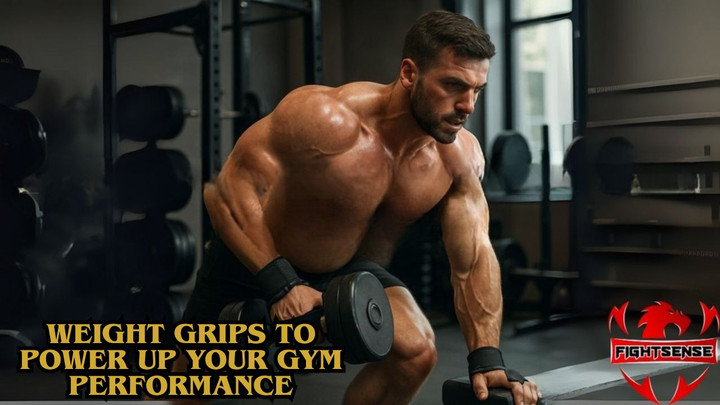
Weight Grips to Power Up Your Gym Performance
18th Apr 2025
Weight grips are essential for weightlifting, removing grip limitations that can hold back your performance. Without proper support, lifting heavier weights can feel uncomfortable and unstable. Grips provide wrist protection, improve grip strength, and add comfort, helping you lift more effectively and reach your strength goals.
Whether you’re using barbells, dumbbells, or kettlebells, the right grips enhance control, reduce the risk of injury, and let you focus on maximizing your workouts. This guide dives into how the right grips can elevate your lifting performance and take your training to the next level.
Keynotes:
- Improve grip strength and control
- Lift heavier safely without hand fatigue
- Protect wrists and prevent injuries
- Maintain proper form during every lift
- Durable and comfortable for long workouts
What Are Weight Grips and Why Do They Matter?
Weight grips—also known as lifting grips, gym grips, or lifting straps—are essential workout accessories designed to improve your hold on weights during exercises like deadlifts, pull-ups, rows, and heavy barbell lifts.
If you’ve ever wondered, What are Lifting Grips used for in the gym?—the answer is simple: they help you maintain a stronger, more secure grip so your hands don’t limit your performance.
Why are Lifting Grips important for gym performance?
- Prevent slipping during heavy lifts – Maintain control even with sweaty hands
- Reduce hand and forearm fatigue – Train longer without early grip failure
- Help you lift heavier weights – Push past grip limitations and focus on strength
- Improve overall workout efficiency – Target muscles more effectively
- Enhance lifting confidence and stability – Especially during compound movements
If your grip gives out before your target muscles, you’re not training at your full potential—and that’s exactly where Lifting Grips make a real difference.
How Hand Grips for Lifting Improve Gym Performance?
Hand Grips for Lifting are powerful tools that significantly enhance gym performance by allowing lifters to maintain a secure hold on bars, dumbbells, and other equipment. They reduce hand and forearm fatigue, enabling longer and more intense workout sessions.
By lifting heavier weights with better control, you can focus on the target muscles rather than worrying about slipping or grip failure. Strength Training Grips also improve stability during complex lifts, helping maintain proper form and reducing the risk of injury.
Overall, they maximize workout efficiency, letting every set contribute more effectively to strength, endurance, and muscle growth.
Which Strength Training Grips Are Best for Beginners:
Choosing the right weight grips is essential for beginners to lift safely and effectively. The right grips reduce hand fatigue, improve control, and prevent calluses or slips during workouts.
They also help maintain proper form and build confidence while lifting heavier weights. With the correct grips, beginners can focus on training their muscles rather than worrying about hand discomfort.
Top Weight Grip Options for Beginners:
- Basic Lifting Straps: Affordable, easy to use, and ideal for heavier weights.
- Rubber Grips: Durable and provide excellent control across exercises.
- Grip Pads: Offer minimal support but increase comfort and reduce blisters.
- Neoprene Grips: Flexible and cushioned, perfect for longer sessions.
- Padded Wrist Wraps: Combine wrist support with grip assistance for compound lifts.
- Textured/Non-Slip Grips: Prevent accidental slips and improve lifting confidence.
- Adjustable Grips: Allow customization for different hand sizes and preferences.
Do Weight Grips Help Prevent Injuries?
Hand Grips for Lifting play a key role in protecting your hands, wrists, and overall lifting safety when used correctly. They help reduce strain, improve stability, and make heavy lifts more manageable, allowing you to focus on proper form.
While they support your workouts, it’s important to avoid over-reliance, as developing natural grip strength is also essential for long-term performance.
How Strength Training Grips Help Prevent Injuries:
- Reduce Strain on Fingers and Wrists: Support joints and tendons during heavy lifts.
- Prevent Calluses and Blisters: Protect the skin from friction and repeated pressure.
- Lower Risk of Dropping Weights: Provide a secure grip to avoid accidents.
- Enhance Stability During Lifts: Keep your hands steady, promoting proper form.
- Support Recovery: Reduce fatigue in forearms and hands, lowering injury risk.
Can Hand Grips for Lifting Improve Deadlift Performance?
Deadlifts are among the most grip-intensive exercises in any strength training routine. Using Wrist and Hand Grips during deadlifts allows you to lift heavier safely while maintaining control, reducing forearm fatigue, and focusing more on the target muscles. Grips enhance stability and help preserve proper form throughout the lift, making them an essential tool for serious lifters.
Benefits of Using Weight Grips for Deadlifts:
- Lift Heavier Safely: Maintain a secure hold on the bar without grip failure.
- Focus on Muscle Engagement: Concentrate on back, legs, and core rather than worrying about slipping.
- Reduce Forearm Fatigue: Extend training sessions without overloading the forearms.
- Improve Form and Stability: Keep lifts controlled and consistent, lowering the risk of injury.
- Build Confidence in Heavy Lifts: Perform heavier sets with more assurance and stability.
How to Choose the Best Exercise Grips?
When buying grips, consider these factors:
1. Material
- Rubber: Best for comfort
- Leather: Durable and long-lasting
- Fabric: Lightweight and flexible
2. Grip Strength
Choose based on your lifting level:
- Beginner → light support
- Advanced → heavy-duty grips
3. Comfort & Fit
- Look for padding
- Ensure proper wrist support
4. Workout Type
- CrossFit → flexible grips
- Powerlifting → strong straps
Are Wrist and Hand Grips Good for Sweaty Hands?
- Prevent slipping even with sweaty palms
- Improve control during lifts
- Reduce the risk of injuries
- Provide extra friction for a secure hold
- Allow longer and more intense workout sessions
How to Use Exercise Grips Correctly?
To get the most benefit:
- Wrap or position grips securely
- Keep wrists aligned
- Don’t rely on them for every set
- Combine with natural grip training
Do You Really Need Powerlifting Grips?
It depends on your goals.
You should use them if:
- Your grip fails before your muscles
- You lift heavy weights regularly
- You experience hand pain or fatigue
You may not need them if:
- You’re a beginner
- You’re training grip strength intentionally
Enhance Your Lifting with Premium Powerlifting Grips:
Fightsense offers durable and comfortable weight grips that boost gym performance and support for heavy lifting. Made from premium materials like reinforced rubber, neoprene, and leather, they provide a secure hold, reduce hand fatigue, and maintain proper form during intense workouts.
Suitable for beginners and advanced lifters, Fightsense grips come in a variety of styles, including padded, textured, and adjustable options, helping you lift heavier, train longer, and improve overall strength.
Conclusion:
Wrist and Hand Grips are a simple yet powerful tool to enhance gym performance, improve lifting stability, and reduce hand and wrist fatigue. Whether you’re a beginner or an advanced lifter, choosing the right grips—made from quality materials and designed for comfort—can help you lift heavier, train longer, and prevent injuries.
Incorporating Powerlifting Grips into your routine allows you to focus on your muscles, maintain proper form, and maximize strength gains with confidence.
Disclaimer:
See a fitness professional constantly, especially if you have pre-existing wrist or hand issues, before including new equipment into your program.
FAQS:
1. Can Powerlifting Grips help lift heavier safely?
Yes. They reduce hand and forearm strain, letting you lift heavier while maintaining proper form.
2. Are weight grips suitable for all exercises?
Best for compound lifts like deadlifts, rows, and pull-ups, but padded or textured grips can be used for other exercises too.
3. Do grips affect natural grip strength?
Used strategically, they prevent early fatigue without weakening grip—combine with grip-strength exercises for balance.
4. Which material is best for lifting grips?
Neoprene/rubber for comfort, leather for durability, and textured for extra friction—choose based on intensity and style.
5. Can grips prevent lifting injuries?
Yes. They stabilize hands and wrists, reduce slips, and protect against blisters and calluses.
6. Are adjustable grips better than standard grips?
Adjustable grips fit different hand sizes and exercises, making them versatile for all lifters.
7. How often should I replace grips?
Replace when padding wears, straps fray, or friction decreases to maintain safety and performance.