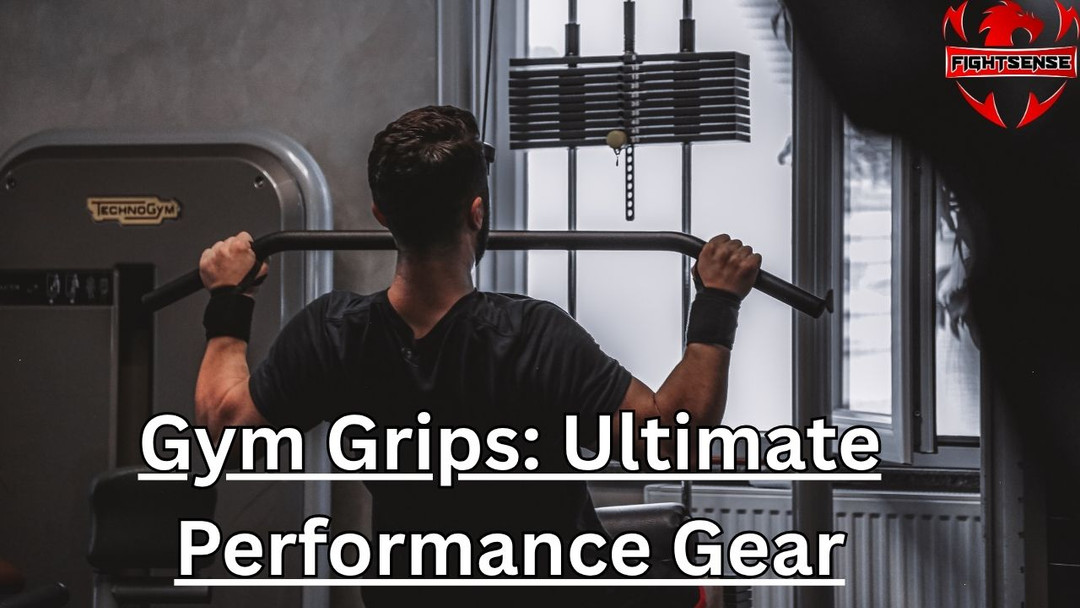
Gym Grips: Ultimate Performance Gear
Gym grips are essential for anyone serious about lifting or intense workouts. These simple yet powerful tools provide support, comfort, and protection, helping you train harder, lift safely, and push your limits.
Whether your focus is CrossFit, pull-ups, or heavy weightlifting, achieving your fitness goals starts with choosing the right grips. But what really makes a gym grip the best for you?
In this guide, we’ll explore everything you need to know about Hand Grips for Lifting: why they matter, how to pick the perfect pair, and how the right grips can enhance your performance while keeping your hands safe and injury-free.
Keynotes:
- Gym grips protect hands and improve grip for heavier lifts.
- Types include leather, neoprene, rubber/silicone, and hybrid grips.
- Proper selection depends on workout type, material preference, and hand size.
- Avoid common mistakes like using wrong size or neglecting maintenance.
- Lifting Grips excel in exercises like deadlifts, pull-ups, kettlebell swings, and rope climbs.
What Are Gym Grips?
Gym grips are specialized hand accessories designed to improve your workout efficiency by protecting your hands and enhancing your grip. Unlike gloves, which fully cover your hands, or lifting straps, which wrap around the bar to assist lifting, Workout Grips sit directly on your palms to give you extra traction without compromising hand movement.
The main purpose of Workout Grips is simple: reduce slipping, protect your skin from tears and calluses, and allow you to lift heavier or perform more repetitions without worrying about your grip failing.
Benefits of Using Workout Grips:
1. Enhanced Grip Strength
Gym grips provide a secure hold on bars, dumbbells, and kettlebells, reducing the risk of slipping during heavy lifts. This allows you to focus on your workout without constantly adjusting your grip.
2. Hand Protection
Repetitive lifting can lead to calluses, blisters, or even skin tears. Workout Grips act as a barrier, protecting your hands while still maintaining a natural feel for your equipment.
3. Increased Lifting Performance
When your grip isn’t the weak link, your muscles can work more efficiently. Workout Grips allow you to push harder, lift heavier, and perform more reps without your hands giving out first.
4. Versatility
From pull-ups and deadlifts to kettlebell swings and rope climbs, Workout Grips are suitable for a variety of exercises. They adapt to different movements, making them an essential accessory for both strength and endurance training.
Types of Fitness Grips :
Leather Grips
Durable and classic, leather grips are ideal for heavy lifting. They provide excellent longevity and a solid feel for advanced lifters.
Neoprene Grips
Soft, comfortable, and water-resistant, neoprene grips are perfect for high-intensity workouts where sweat can reduce traction.
Rubber or Silicone Grips
These grips offer extra traction and are beginner-friendly. They stick to bars and equipment, minimizing slips without requiring a tight hold.
Hybrid Grips
Combining materials like leather and silicone, hybrid grips provide a balance between comfort, durability, and grip performance.
How to Choose the Right Lifting Grips ?
Choosing the right Fitness Grips depends on several factors:
- Workout Type – Strength-focused lifters may prefer leather grips for durability, while endurance athletes might choose neoprene for comfort.
- Hand Size and Fit – Grips should fit snugly without restricting movement.
- Material Preference – Consider whether you prioritize comfort, grip, or longevity.
- Durability and Maintenance – Leather requires conditioning; neoprene and silicone are easier to maintain.
- Comfort vs Performance – A grip that feels good and enhances your lifting is the ideal choice.
Common Mistakes with Gym Grips:
- Using the wrong size, which can cause slippage or discomfort.
- Failing to clean or maintain grips, leading to wear and tear.
- Relying exclusively on grips and neglecting grip-strength for training.
- Over-tightening or incorrect usage, which can reduce blood flow or restrict movement.
How to Maintain and Clean Your Fitness Grips ?
- Cleaning: Wipe grips after every use with a damp cloth and mild soap.
- Drying: Air dry completely; avoid direct sunlight or heaters.
- Storage: Store in a cool, dry place.
- Replacement Signs: If the material cracks, tears, or loses traction, it’s time for new grips.
Top Exercises Where Lifting Grips Make a Difference:
- Deadlifts – Prevents bar from slipping and protects palms.
- Pull-ups / Chin-ups – Reduces skin tears and improves hold.
- Kettlebell Swings – Provides secure grip during dynamic movements.
- Barbell Rows – Allows you to focus on back muscles instead of grip fatigue.
- Rope Climbs – Extra traction and protection during challenging climbs.
Expert Tips for Maximizing Grip Strength:
- Combine Lifting Grips with grip-strength exercises like farmer’s carries or plate pinches.
- Apply progressive overload without compromising hand safety.
- Allow proper rest and recovery for your hands to prevent overuse injuries.
Fightsense Gym Grips – Your Performance Partner:
Fightsense Hand Grips are engineered for durability, comfort, and performance. With options in leather, neoprene, and hybrid materials, Fightsense grips cater to both beginners and advanced athletes.
They help you lift heavier, train longer, and protect your hands so you can stay consistent and injury-free. Explore the full range of Fightsense grips to find your perfect match for all types of workouts.
Conclusion:
Gym grips are an essential tool for safe, efficient, and high-performance workouts. They protect your hands, enhance your grip, and allow you to focus on your training goals. For quality, comfort, and durability, Fightsense Lifting Grips are the ultimate choice to elevate your fitness journey.
Disclaimer:
This content is for informational purposes only and is not a substitute for professional fitness or medical advice.
FAQs:
1. Do workout grips reduce muscle engagement?
No, they support your grip, allowing your muscles to work more effectively.
2. How long do lifting grips typically last?
With proper care, they can last several months to years, depending on material and usage.
3. Can hand grips prevent calluses entirely?
They reduce calluses but may not eliminate them completely for high-frequency lifters.
4. Are exercise grips suitable for beginners?
Yes, they are great for beginners learning proper lifting techniques.
5. How to know if performance grips fit properly?
They should fit snugly, cover the palms, and allow full range of motion without slipping.