
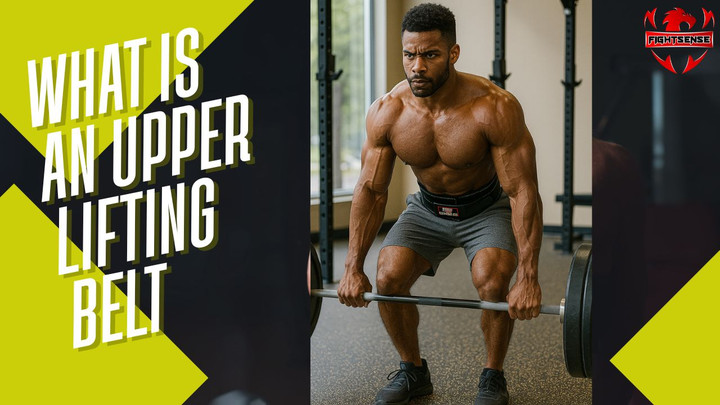
What is an Upper Lifting Belt? Ultimate Guide for Upper Body
23rd Mar 2025
Upper lifting belt — in weightlifting, maintaining correct form and preventing injuries is just as crucial as lifting heavier weights. It provides essential support to improve posture, boost performance, and reduce the risk of injuries during upper-body workouts like bench presses and overhead presses.
Key Highlights:
-
During overhead presses, bench presses, and other upper-body motions, the upper lifting belt supports the upper body.
-
By giving stability during big lifts, it increases performance, correct posture, and works the core.
-
Appropriately fitting upper weightlifting belts can help avoid back, chest, and shoulder problems.
-
Search for strong, flexible belts that provide an ideal fit and long-lasting support.
-
Athletes aiming to safely advance in upper-body strength training must have a top gym belt.
What is an Upper Lifting Belt?
An upper lifting belt is a specialized piece of equipment designed to support your upper body during heavy lifting activities. The upper weightlifting belt emphasizes the chest, shoulders, and upper back, unlike conventional weightlifting belts that concentrate on the lower back. Lifts, including overhead presses, bench presses, and other upper-body-intensive motions, find this feature particularly helpful.
An upper weight belt can help you improve your form, prevent injuries, and provide the stability required to lift more safely and effectively, whether you are new to lifting or a seasoned veteran.
Why Use an Upper Weightlifting Belt?
Particularly while lifting big weights, the upper gym belt performs several important roles:
- Improved Posture: Lifting upwards can throw off your posture. By keeping your spine in alignment, the upper belts lowers your chance of poor form and injuries like muscle strains.
- Injury Prevention: The upper weightlifting belt helps lower the risk of injuries resulting from incorrect lifting practices by supporting the shoulders, chest, and upper back.
- Increased Performance: Particularly in upper-body exercises, the additional help from the upper weightlifting belt helps you raise greater weights with better control and confidence.
- Better Core Engagement: Not only does it stabilize the upper body, but it also more efficiently activates your core and back, thereby enabling you to produce greater power during lifts.
How Does it Compare to Traditional Weightlifting Belts?
Great for workouts like squats and deadlifts, traditional weightlifting belts are wider and mostly support the lower back and abdomen. But the upper weightlifting belt is more focused on supporting the upper body, especially the chest, shoulders, and upper back, which is vital for overhead lifts and pressing motions.
Stated differently, an upper gym belt offers the particular stability your body needs to prevent strain, whether you are lifting overhead or concentrating on bench presses.
Choosing the Right Upper Weight lifting Belt:
The correct upper weight lifting belt depends on a few elements:
- Fit: The belt needs to be tight but not constrictive. It shouldn't restrict your movement while nevertheless supporting your shoulders and chest.
- Material: Durable materials like reinforced cloth or leather give excellent support during demanding exercises.
- Adjustability: Customized fit guaranteed by a belt with adjustable straps guarantees superior comfort and stability during lifts.
- Purpose: If you concentrate on upper-body exercises, be sure your belt supports those motions for best effectiveness.
Top Benefits of an Upper Lifting Belt
1. Prevents Shoulder and Chest Injuries: Main advantages of an upper lifting belt include avoidance of shoulder and chest injuries. By providing additional protection for the shoulders and chest, the upper weightlifting belt lowers the possibility of strain during large lifts.
2. Enhances Performance: Correct upper-body support lets the upper gym belt provide smoother, more controlled lifting, therefore enhancing your technique and performance.
3. Boosts Confidence: Knowing your upper body is well supported helps you to get the confidence to push yourself farther and raise greater weights without running the danger of damage.
4. Supports Progressive Lifting: Supports progressive lifting by allowing you to progressively raise the weight you lift while preserving correct form and therefore reducing your chance of injury.
Shop Now !
FAQs:
1. What exercises should I use an upper belt for?
Ideal for upper-body lifts like bench presses, overhead presses, and pushing movements.
2. Can I wear an upper belt for squats or deadlifts?
It’s mainly for upper-body lifts, but some lifters use it with a lower belt for extra stability.
3. How tight should an upper belt be?
Snug enough to support the core, but not so tight that it restricts breathing or movement.
4. Is it beneficial for beginners?
Yes, it helps maintain proper technique and reduce injury risk.
5. What material is best?
Strong, durable options like leather or reinforced fabric provide comfort and support.
Conclusion:
Anyone who concentrates on upper-body lifting would be wise to invest in an upper lifting belt. It keeps you steady, preserves good posture, and guards you from injury during overhead lifts or big presses. With the right fit and material, this belt can transform your performance, enabling you to safely push beyond your limits and lift with greater confidence.
Disclaimer:
This blog is only for informative needs. Before adding new equipment to your program or attempting new exercises, always see a fitness expert or healthcare practitioner.