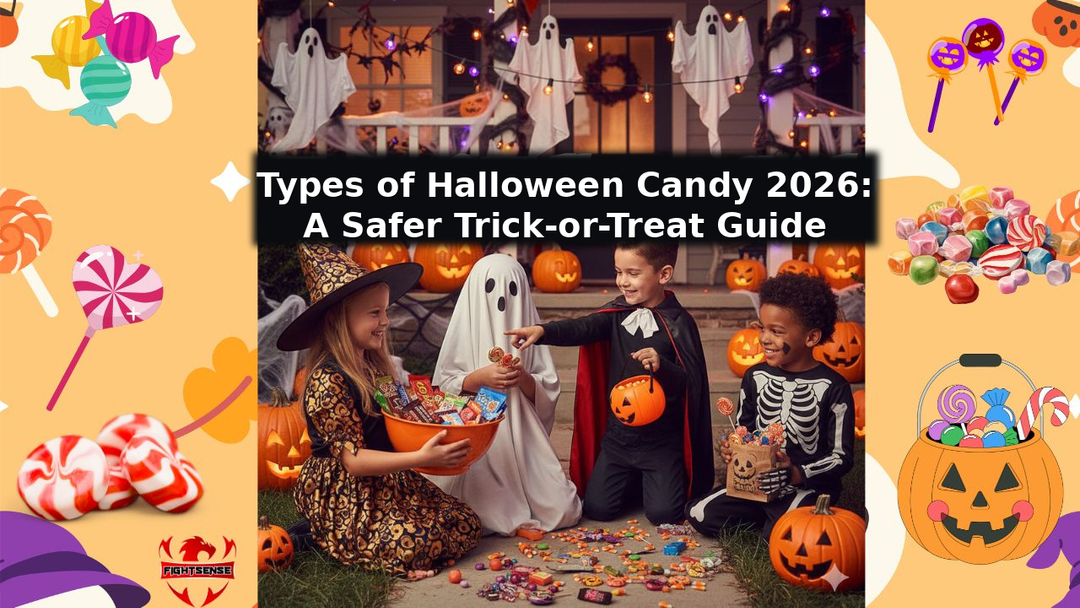
Types of Halloween Candy 2026: A Safer Trick-or-Treat Guide
Halloween night is all about the candy — the rustle of wrappers, the clink of treats in a bucket, and the happy sorting session back home. But not all sweets are the same, and a little planning goes a long way when the treats are for kids, guests with allergies, or a whole neighborhood of trick-or-treaters. This guide to the types of Halloween candy walks you through the classics, the new favorites, allergy-friendly choices, and a few easy homemade ideas, plus simple safety habits that keep the night fun for everyone.
Keynotes
- Chocolate bars and wrapped caramels are still the most loved Halloween treats.
- Chewy, sour, and fruity sweets suit older kids, while hard candy needs care with little ones.
- Always check labels when allergies are a concern, and keep treats sealed until you get home.
- A flashlight, comfortable shoes, and a charged phone make the walk safer for everyone.
- Sort the candy at home, toss anything unwrapped or homemade from strangers, and portion it out over the week.
Classic Types of Halloween Candy Everyone Loves
Walk down any Halloween aisle and the first thing you will see is chocolate. Mini chocolate bars, peanut butter cups, and wrapped caramels have been handed out for decades because they are easy to share, easy to store, and easy to love. They melt, though, so if the night is warm, keep the bucket in the shade and sort the chocolate first when you get home.
Hard candy and lollipops are another classic. They last longer than chocolate, they travel well in a treat bag, and they come in almost every color. For younger children, though, hard sweets can be a choking worry, so many parents set them aside for older kids or swap them for softer options.
Then there are the chewy favorites — gummy bears, fruit chews, and licorice twists. These are the sweets that fill the bottom of the bucket fastest, and they are usually the ones kids trade with each other the next day. If you are buying treats to hand out this year, a mix of chocolate, chewy, and hard candy covers most tastes, and our guide to Halloween gifts that are fun, thoughtful and safe has more ideas for non-candy treats too.
Trending Treats to Try in 2026
Every year, a few new types of Halloween candy reach the shelves — fun-shaped gummies, spooky-colored chocolates, and small snack-size packs made for sharing. The trend in 2026 is toward smaller, individually wrapped portions and treats in pumpkin and ghost shapes that look great on a party table. Whether you stick with the classics or try something new, keep the portions small and the wrappers sealed.
Trick-or-treating itself has a long history — the history of trick-or-treating goes back many decades, and the costume-and-candy tradition is now a familiar part of autumn in the United States.
Allergy-Friendly and Safer Candy Choices
If someone in your group has a food allergy, the candy bowl needs a second look. Clear labels make it easier to sort types of Halloween candy by ingredient, and many brands now mark their packs as nut-free, gluten-free, or dairy-free. When in doubt, keep a treat aside and check the label at home instead of guessing on the doorstep.
Non-food treats are a good backup: stickers, small toys, glow sticks, and temporary tattoos give every child something fun without the allergy worry. If you are heading out to one of the Atlanta Halloween events for 2026, pack a small bag with a few allergy-safe treats of your own so no one is left out.
DIY Halloween Treats You Can Make at Home
Homemade treats are a lovely way to add a personal touch — but only share them with people you know. Popcorn balls, chocolate-dipped pretzels, and frosted cookies are easy favorites, and they let you control the ingredients. You can even make homemade versions of familiar types of Halloween candy, such as chocolate clusters and caramel apples, with simple kitchen ingredients.
Keep homemade treats clearly separate from store-bought candy, and wrap them well with a note saying who made them. As a general rule, only eat homemade treats from people you know and trust. If you are out delivering treats to neighbors after dark, a mini keychain pepper spray clipped to your bag keeps safety within easy reach.
Trick-or-Treat Safety Tips for Halloween Night
Before anyone tastes a piece, sort the types of Halloween candy into keep, share, and set-aside piles. Toss anything with a torn wrapper, anything unwrapped, and anything homemade from someone you do not know. A quick check at the door takes a few minutes and saves a lot of worry.
Picking Types of Halloween Candy for Little Kids
For toddlers and younger children, choose soft, small, and easy-to-chew treats. Avoid hard candy, whole nuts, and anything round and hard that could be difficult to chew. Parents can carry a small bag and swap the risky pieces for safer ones as the night goes on.
Stay visible on the walk: reflective tape on costumes, a flashlight, and a route everyone knows make the evening calmer. Adults walking with the group can keep a stun gun and pepper spray combo in a pocket or bag, and a keyring stun gun clips easily to a keychain for quick reach. If you are choosing between spray formats for the walk home, our comparison of pepper spray vs pepper gel explains the difference. And if the long walk leaves your hips aching, a hip support belt can add comfort and support.
Fun Ways to Enjoy Halloween Candy at Home
A tasting game is a fun way to compare types of Halloween candy side by side — line up a chocolate bar, a gummy, a sour sweet, and a caramel, and let everyone pick a favorite. Baking with leftover candy is another easy win: chopped chocolate bars fold into cookies, and crushed candy can top cupcakes or ice cream.
Set a simple rule for the week after Halloween: a small handful after lunch, and the rest saved for later. It keeps the treats special without the sugar rush. If you are out late on Halloween night, a pen stun gun slips into a jacket pocket for the walk home — discreet, light, and easy to carry.
Why FightSense Makes Halloween Nights Safer and Easier for Families with Kids, Trick-or-Treaters and Evening Walkers
When the costumes are on and the buckets are full, the night should be about fun — not worry. FightSense makes compact, easy-to-carry safety tools that fit into a pocket or clip to a keychain, so parents and evening walkers can enjoy Halloween with more confidence. From personal alarms to pepper spray and stun guns, every product is designed to be simple to use when it matters, and the FightSense team stands behind its range with honest product details, clear instructions, and responsive support. With fast delivery and trusted quality, FightSense helps families head out on Halloween night feeling prepared, calm, and ready to enjoy the treats.
Sweet Treats, Safe Nights — Grab Your FightSense Keychain Alarm
Make this Halloween sweet and safe — add the FightSense Keychain Alarm 130 DB to your trick-or-treat kit for just $9.99. It clips to any keychain and sounds a loud 130 dB alarm when you need attention fast. And remember, orders above $100 ship free.
Shop the FightSense Keychain Alarm — $9.99Conclusion
Halloween candy comes in many shapes, flavors, and sizes, and that variety is half the fun. Pick a mix that suits the people you are sharing with, check labels for allergies, sort the haul at home, and keep a few simple safety habits in mind on the walk. With a little planning, the candy, the costumes, and the company all add up to a Halloween night worth remembering.
FAQs
What is the best Halloween candy to hand out this year?
Small, individually wrapped treats suit most trick-or-treaters — think mini chocolate bars, wrapped caramels, and fruit chews. A mix of chocolate and chewy sweets covers most tastes, and fun-size packs are easy to portion.
How much Halloween candy should I buy for trick-or-treaters?
It depends on your street. A good starting point is one or two small bags of fun-size treats, plus a spare bag just in case. If you run low, small non-food treats like stickers work well too.
What Halloween candy is safe for kids with nut allergies?
Look for treats with clear nut-free labels, and keep a separate bowl of allergy-friendly sweets or non-food items. When a label is unclear, set the treat aside and check it later instead of guessing.
Should I check my child's Halloween candy before they eat it?
Yes. Sort the treats at home, toss anything unwrapped, torn, or homemade from a stranger, and check labels for anything your child cannot eat.
How do I keep Halloween candy fresh after the night?
Store it in a cool, dry place in sealed bags or containers. Chocolate and chewy sweets keep their texture best away from heat and sunlight, and it helps to eat the softest treats first.
Can I hand out homemade treats for Halloween?
Only to people you know well. Many families skip homemade treats from strangers for safety, so wrapped store-bought sweets are the safer choice for trick-or-treaters you do not know.
What should adults carry while trick-or-treating with kids?
A phone, a flashlight, and comfortable shoes are the basics. Many parents also carry a small safety tool, such as a personal alarm, clipped to a bag or keychain.
How can I store leftover Halloween candy?
Sort it into bags by type, seal them well, and keep them in a cool cupboard or the freezer. Saved candy works well for baking, party favors, and school lunch treats later in the month.