
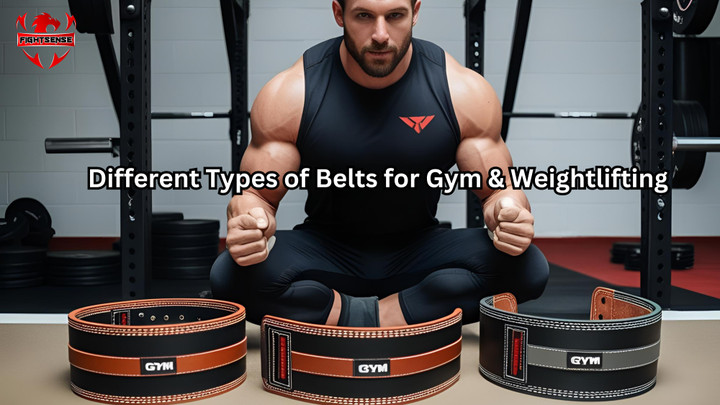
Different Types of Belts for Gym & Weightlifting
2nd Mar 2025
Regarding weightlifting and strength training, the proper kinds of belts can significantly affect performance and safety. Knowing their use can help you choose among several types of belts for general fitness, bodybuilding, or powerlifting. Let's investigate the several gym belt varieties, their advantages, and how to decide which one would be most suitable for your requirements.
Key Highlights:
-
Gym belts improve posture, stability, and strength; different Types of Belts offer varied support.
-
They protect the lower back and reduce injury risk.
-
Common Types of Belts include weightlifting, powerlifting, and Velcro belts.
-
Proper fit and technique ensure maximum benefits.
Importance of Using the Right Belts:
Belts improve lifting form, stabilize the core, and reduce strain on the lower back, providing essential support during workouts. They help maintain proper posture and increase intra-abdominal pressure, which enhances strength and control. Using the correct kinds of belts allows both beginners and experienced lifters to lift heavier weights more safely, minimize injury risk, and improve overall performance and confidence in training.
Major advantages of Gym belts:
-
Enhanced stability helps one keep good posture during big lifts.
-
More strength output results from supporting the core, hence enabling more power.
-
Protection of the lower back helps to lower the strain and injury risk.
-
Improved form and technique help to promote proper lifting techniques.
-
Confidence Boost When carrying more weight, offers extra protection.
Various Gym Belts: Different Types:
There are differences among the several kinds of belts. The most often utilized varieties of belts in strength training are these ones:
1. Powerlifting Belts: Wide, thick, and stiff for best support. Greatest for bench presses, deadlifts, and hard squats. Usually composed of durable leather.
2. Bells for Weightlifting: Olympic lift flexibility is provided by tapered design. Provides a range of motion far better than powerlifting belts. Usually used for cleans, jerks, or snatches.
3. Velcro lifting belts: light weight and a simple adjusting mechanism. Perfect for functional exercise and overall conditioning. supports modestly without limiting movement.
4. Belts of Dipping: includes a chain to add more weights. Applied for pull-ups and dips to raise the challenge. strengthens upper body.
5. Neoprene Support Belt: Soft, flexible, and cozy. provides little help for beginners and light training. Popular for workouts on the central stability.
How should one choose the correct gym belt?
Your training objectives and degree of experience will determine the kind of belts you should use. Think of the following:
-
Suitable and comfortable: Select a belt that fits your waist tightly but not overly so.
-
Leather belts endure longer and give firmer support: Neoprene and Velcro belts give flexibility.
-
Powerlifting belts are wider for more support: weightlifting belts taper for movement.
-
Look for a belt with simple modifications: using Velcro closures or safe buckles.
Correct Belt Usage for Gym:
Correct use of a belt increases its efficiency. These guidelines will help you perform at best:
-
Arrange the Belt Correctly: Sit it right above the hips, around your waist.
-
Tight it correctly: Tighten the belt, then be sure you can still inhale deeply.
-
Invigorate Your Core: For stability, line your abs against the belt.
-
Use for heavy lifts: Deadlifts, squats, and overhead presses call for particular kinds of belts.
Purchase Gym Belts from where?
Searching for several kinds of belts for use in the gym? Quality choices can be found here:
-
Local sporting stores: Test on belts before you buy.
-
Online Marketers: Amazon presents high-quality decisions.
-
Customized Fitness Centers: Many brands center on high-performance lifting equipment.
Belt Maintenance and Long-Term Durability:
Proper maintenance increases the lifespan and performance of gym belts. Leather belts need regular conditioning to avoid cracking, while Velcro and neoprene belts should be cleaned and dried properly to maintain grip and hygiene. Choosing a durable belt and caring for it correctly ensures consistent support and makes it a valuable long-term investment for strength training.
Shop Now !
Conclusion:
From heavy lifting to bodyweight workouts, the proper kinds of belts can significantly improve your gym performance. Choosing the correct powerlifting, weightlifting, or Velcro belt guarantees your exercises' stability, strength, and safety.
FAQs:
1. Why might one use a gym belt?
Gym belts correct lifting technique, guard the lower back, and offer stability.
2. For novices, which kind of belt is most suited?
Beginning users will find comfort and flexibility from a Velcro or neoprene lifting belt.
3. Does my belt matter for every exercise?
No, types of belts are mostly useful for deadlifts and squats, two large compound lifts.
4. In what tightness should a gym belt be?
It should be just right not so tight that you find it difficult to breathe deeply.
5. Where may one get a decent gym belt?
Fitness stores, internet merchants, and specialized lifting companies all have quality varieties of belts on hand.
Disclaimer:
This blog serves only for informative needs. Before adding new tools to your program, always see a fitness professional first.