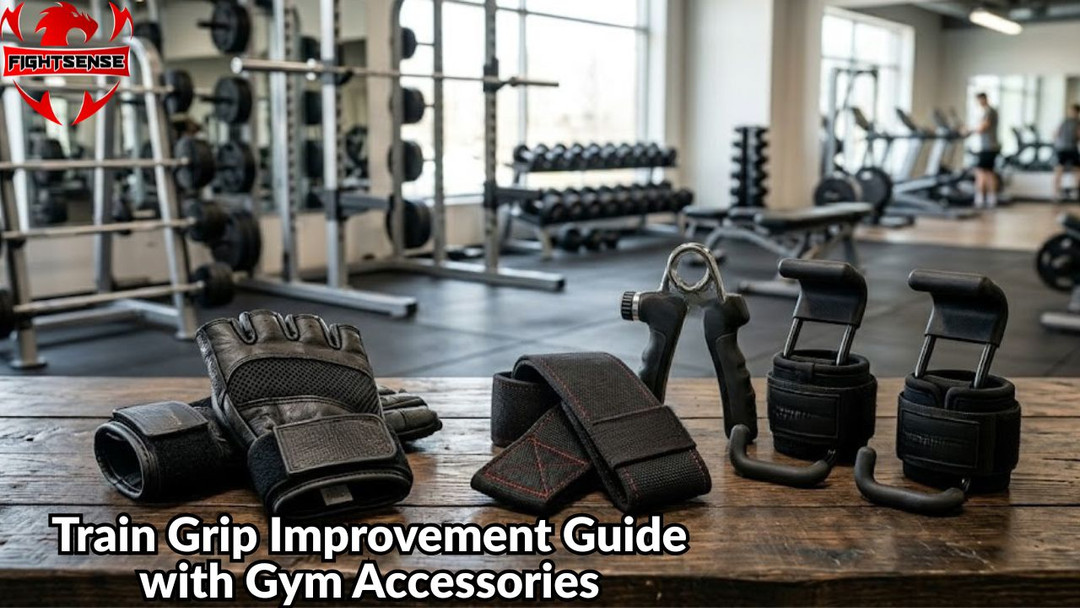
Train Grip Improvement Guide with Gym Accessories
A strong train grip is one of the most underrated but essential factors in strength training and gym performance. Most people focus on chest, arms, or legs, but ignore grip strength — even though it is the foundation of lifting performance.
If your grip is weak, you will fail lifts early, struggle with heavy weights, and even risk injury. Whether you are a beginner or advanced lifter, improving your Grip strength can directly increase your strength output and workout efficiency.
In modern fitness training, athletes don’t rely only on natural grip strength. They use gym accessories like gloves, straps, and hooks to support performance, prevent fatigue, and lift heavier safely.
Keynotes:
- A strong grip directly improves lifting performance, safety, and workout control.
- Weak grip often becomes the main limiting factor in heavy strength training.
- Gym accessories like gloves, straps, hooks, and grip trainers help enhance performance.
- Combining natural grip exercises with equipment gives the best long-term results.
- Proper grip training leads to better strength gains and more effective workouts.
What is Train Grip?
Grip training is the ability to hold, control and stabilise weights during resistance exercise. Involves a number of muscles and joints such as:
- fingers and palm muscle
- Strength of arm
- Wrist stability
- Tendon stamina
A good grip helps you keep control of the weights during workouts such as deadlifts, pull-ups, barbell rows and shrugs. Even powerful muscles cannot work well without sufficient grip strength.
Why Grip strength Matters in Strength Training?
While grip strength is often underrated by many lifters, it is an important part of overall growth in fitness. A strong train grip is not only about holding weights – it’s crucial to your performance, safety and long-term strength development.
Determines Your Lifting Strength
No matter how powerful your back, chest or legs are, if your grasp is weak, it can be the limiting factor and prevent you from lifting higher weights. This is often a limiting factor in total strength improvement.
Enhances Exercise Performance
A secure, strong grip provides you with superior control and balance and allows you to retain the appropriate form in compound activities like deadlifts, pull-ups, and rows. As a result, you’ll get more effective exercises.
Helps Prevent Injuries
With a weak grip you’re more prone to slipping weights, hurting your wrists and abrupt accidents during large lifts. A robust grip ensures safer, more regulated training.
Boosts muscle activation
Better grip = Target muscles are under strain for longer periods without interruption = Better muscle growth and training efficacy.
Develops Functional Strength
Grip strength is vital not just for training in the gym but for everyday activities like carrying bags, lifting objects or physical jobs. It boosts your real life overall strength.
Common Workout grip Problems Encountered by Gym Users:
Slipping due to Sweaty Palms
A frequent problem in the gym is sweaty palms, which diminish friction and make it so the weights slip when you are lifting them. This has implications not only for performance but also for injury risk.
Muscle Fatigue Prior to Grip Fatigue
Grip failure often occurs before lifters exercise their target muscles to failure, which limits strength increases and cuts sets short. This makes your workout less efficient.
Wrist Pain & Discomfort
Heavy lifting without sufficient support puts extra strain on wrists and tendons, causing pain, strain or long-term discomfort during training.
Poor Forearm Strength
This directly affects grip endurance . Weak forearm muscles will make it harder to hold weights for prolonged periods of time or during high rep sets .
Lack of control during heavy lifts
Without a firm and secure grasp, it is hard to handle barbells or dumbbells, which impacts balance, form, and overall lifting safety.
The best gym accessories to improve your training grip
Fitness professionals employ gym equipment for grip support and lifting performance to address these problems.
1. Strapped Weight Lifting Gloves
One of the most popular solutions to improve Grip strength is employing weight lifting gloves with straps.
How They Assist
These gloves are made to help with grip stability, but also to help with wrist support when you’re doing large lifts.
Main Benefits
- Firm hold on dumbbells and barbells
- Reduces sweat slide
- Offers wrist stability and support
- Enhances comfort in extensive training sessions
- Prevents hand injuries and calluses
Best For
- Novice
- General physical training
- Moderate weightlifting
- For gym users looking for comfort + grip support
- These gloves are a great blend between protection and performance.
2. Lifting Hooks
Advanced lifters need weight lifting hooks.
How They Work
Hooks attach to your wrists and help you handle big weights without having to depend on your hand grip strength.
Key Benefits
- Allows you to lift larger weights
- Less stress for fingers and palms
- Enhances concentration on target muscles
- Perfect for pull workouts
- Reduces barndrop in long sets
Best For
- Deadlifts
- Pull ups
- Heavy rows, heavy rows.
- High-level strength training
- Hooks are particularly important when grip becomes a limiting element in advancement.
3. Lifting Straps
Another useful technique to improve train grip during heavy sessions is lifting straps.
How They Can Help You
Straps are wrapped around the bar and wrist offering additional support and stability.
Main Advantages
- Improved grip on big weights
- Less tiredness in forearms
- Increases lifting endurance
- Helps in progressive loading
- Improved control during pulling movements
Best For:
- Weight lifting
- Deadlifts with heavy weight
- Barbell training
- Elite athletes
Straps are commonly utilized by professional lifters to enhance their performance.
When to Use Grip Accessories?
Strategic usage of grip gear is required:
- During heavy lifting days
- When performance is limited by grip fatigue
- For muscle isolation of target
- Training with large volume
- progressive overload training
They are support tools, not strong replacements.
Why Fightsense Gear Supports Better Workout grip?
Fightsense is a gym accessories brand that is performance driven. Their products help enhance grip stability and overall lifting efficiency. Their selection of weight lifting gloves with straps, lifting straps, and hooks are made to help lifters of all levels, from novice to seasoned athletes.
These tools help reduce grip fatigue, provide wrist support, and improve control during intense workouts. Fightsense gear is built to be durable and ergonomic, so users can train harder, lift safer and keep consistency throughout their fitness journey without sacrificing comfortability or stability.
Final Thought:
The foundation of safe and efficient strength training is a firm train grip. But no matter how complex your training regimen, your development will always be dictated by how well you are able to control and hold the weight. Mix natural grip training with suitable gym accessories like gloves, straps and hooks to do away with unneeded constraints and reach greater performance. Consistency, smart training and the right support gear combine to produce long-term strength, stability, and superior results in every workout.
Disclaimer:
There are links to other sites in this article. If you buy something through one of the links we give you, we might get a commission, but you won't have to pay anything more. Thanks for reading our blog!
FAQs:
1. Can grip strength limit heavy lifting progress?
Yes, in many compound exercises like deadlifts or rows, your grip often fails before your main muscles. This directly limits progressive overload and overall strength gains.
2. Should grip training be done separately or within workouts?
A combination works best. Compound lifts naturally build grip, while dedicated exercises like dead hangs or farmer’s carries improve endurance and fix weak points.
3. Do lifting straps reduce natural grip strength?
Not if used correctly. Overusing them can slow grip development, but using them only for heavy sets helps you train target muscles more effectively.
4. How frequently should grip be trained?
Grip can be trained around 2–4 times per week since forearms recover quickly, but intensity should be managed to avoid strain.