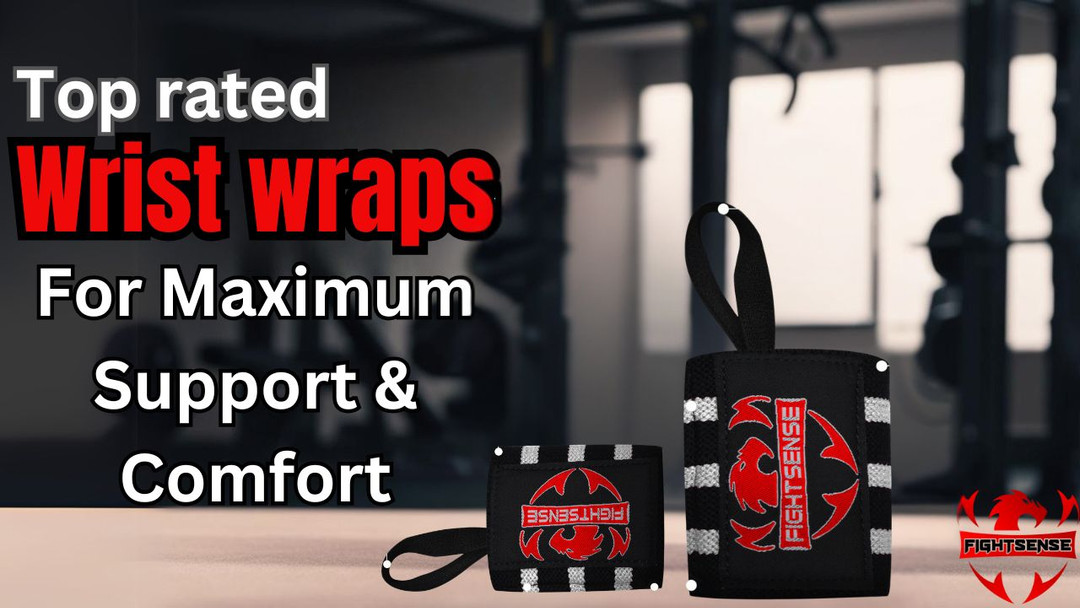
Top Rated Wrist Wraps for Strong, Pain-Free Lifts
Your wrists carry the load on every press, clean, and heavy pull, yet they are the joints most lifters ignore until they start to ache. The right pair can change your training completely. In this guide, we explain what separates the top rated wrist wraps from ordinary elastic straps, how to match stiffness and length to your sport, and how to wear your wraps for support that never cuts off circulation.
Keynotes
- Choose firm, even support, breathable fabric, and a thumb loop that stays in place.
- Stiffer wraps suit heavy pressing and maximal lifts, while flexible wraps suit CrossFit and boxing.
- Wrap snugly, never painfully tight, and wash your wraps regularly to keep them strong.
What to Look for in Quality Wrist Wraps
Before you buy, it helps to know what actually matters. A good wrap should steady the wrist joint, spread pressure evenly, and stay comfortable through a full session. Price alone tells you little, so judge every pair on support, material, length, and fit.
Support and Stiffness
Support is the wrap's main job. A stiff wrap barely stretches, so it locks the wrist in place for heavy bench presses and overhead lifts. A softer wrap gives a little, which suits longer workouts and mixed movements. If you train heavy several times a week, start with premium gym wrist wraps that hold their shape under load and still feel comfortable between sets.
Material and Comfort
Most wraps mix cotton with elastic, and the balance decides how they feel. Cotton-rich wraps breathe well and feel soft against the skin, while a higher elastic content adds rebound and a firmer hold. Seams should lie flat, the thumb loop should not dig in, and the fabric should not itch once you start to sweat. Our guide to wrist wraps for working out explains how material choice affects comfort across different training styles.
Length, Fit, and Ease of Use
Longer wraps give more layers around the wrist and therefore more support, while shorter wraps are quicker to put on and easier to adjust. Most lifters do well with a medium length that wraps around the joint three or four times. A strong hook-and-loop fastener matters too, because a wrap that slips mid-set is worse than no wrap at all. Lifters who want joint support beyond the wrist often pair wraps with elbow wraps for heavy lifting for a balanced setup.
What Makes the Top Rated Wrist Wraps Stand Out
Plenty of wraps look alike on a product page, so the difference shows up in use. The best pairs keep their stiffness after months of training, hold their fastener through hundreds of sessions, and feel the same on the last set as they did on the first. They are built for real training, not just for looking the part.
The Top Rated Wrist Wraps for Heavy Lifting
Heavy lifting asks the most from a wrap. When the bar gets heavy, the wrist must stay neutral, and a wrap that stretches out under load cannot do that job. Look for dense elastic, reinforced stitching, and a wide fastener that spreads force across the whole wrist. A pair built this way lets you press with confidence instead of worrying about your joints.
Stiff or Flexible: Which Feel Is Right for You?
There is no single best stiffness, only the best stiffness for your training. Powerlifters usually want maximum rigidity for low-rep pressing, while CrossFit athletes need enough flex for pull-ups, cleans, and handstand work. If you mix both styles, a medium-stiff wrap is a smart compromise. Among the top rated wrist wraps, the most popular choices are the ones that hold firm under a heavy bar yet still let the wrist move naturally between exercises.
How to Choose the Right Pair for Your Training
Start with your main sport, then think about how often you train and whether your wrists have given you trouble before. A beginner doing light dumbbell work needs far less support than a lifter chasing a new bench press record. Choose for the training you actually do, not the training you imagine.
Match the Wrap to Your Sport
Boxers need wraps that protect the knuckles and wrist through repeated impact, while weightlifters need rigid support for pressing. CrossFit athletes sit in between, needing support that survives fast transitions and varied movements. If you train across disciplines, look at CrossFit wrist wraps for heavy lifts to see how versatile wraps handle mixed workouts. The top rated wrist wraps for your sport are the ones that match its demands instead of fighting them.
Build a Complete Support Kit
Wrist wraps work best as part of a wider support routine. Strong forearms, good technique, and the right gear for the rest of your body all protect your joints. A weight lifting belt for back support helps you brace through heavy squats and deadlifts, and our guide to weight lifting belts shows how to use one correctly. When every part of your setup works together, the top rated wrist wraps in your gym bag become one piece of a smarter training system.
Wearing, Washing, and Caring for Your Wraps
A good pair can last for years, but only if you treat it well. Wrap with care, store your wraps dry, and replace them when the elastic gives up.
Fit Them Right Every Time
Place the wrap just below the palm, over the wrist joint, and wind it snugly without cutting off blood flow. You should be able to move your fingers freely and feel your pulse normally. If your hand tingles or changes color, the wrap is too tight. Many lifters find that the top rated wrist wraps feel best when they are firm on heavy sets and loosened between sets, so adjust as your workout changes.
Keep Them Clean and Strong
Sweat and chalk build up fast, so hand wash your wraps in cool water with mild soap and let them air dry. Avoid the tumble dryer, which weakens elastic over time. Strong forearms also take pressure off the joint, so add a hand gripper workout for stronger forearms to your routine and let your grip share the load.
When Wraps Are Not Enough
Wraps support healthy wrists, but they cannot fix an injury. Sharp pain, swelling that does not settle, numbness, or a wrist that feels unstable are signs to rest and get checked by a clinician. For a plain-language overview of common problems, see the MedlinePlus guide to wrist injuries and disorders. Train through discomfort and a small problem can become a long layoff.
Why Lifters Trust FightSense Wrist Wraps for Stronger, Safer Training
At FightSense, we build training gear for people who show up and put in the work. Our wrist wraps use dense, durable elastic, reinforced stitching, and secure fasteners that hold through heavy sets, week after week. Whether you are chasing a new personal record, learning Olympic lifts, or simply training without wrist pain, FightSense gives you reliable support at a fair price, backed by gear that is made to last. Choose FightSense and train with confidence, knowing your wrists are protected on every rep.
Ready to Lift Stronger?
Your wrists carry every rep — give them the support they have earned with FightSense today.
Shop Wrist Wraps for WeightliftingConclusion
Choosing well is simple when you know what to look for: firm support, comfortable material, the right length, and a fit that stays put. Match the wrap to your sport, care for it properly, and listen to your wrists when they need rest. The top rated wrist wraps are the ones that disappear into your workout, giving you steady support rep after rep, so you can focus on getting stronger.
FAQs
What are wrist wraps used for?
Wrist wraps support and stabilize the wrist joint during heavy lifting, pressing, and impact training. They help keep the wrist in a neutral position, spread pressure evenly, and reduce strain so you can train with more confidence.
How tight should wrist wraps be?
Wrist wraps should feel snug and supportive, never painful. You should be able to move your fingers freely and feel a normal pulse. If your hand tingles, feels numb, or changes color, loosen the wrap right away.
Are wrist wraps good for beginners?
Yes, beginners can use wrist wraps, especially when learning pressing movements or lifting heavier weights. Start with a flexible pair, learn good technique first, and use wraps as support rather than a substitute for proper form.
Can I wear wrist wraps for boxing?
Yes, boxers often wear wrist wraps under their gloves to steady the wrist and protect the knuckles through repeated impact. Choose a pair that fits comfortably inside your gloves and still lets your hand close into a fist.
How long should wrist wraps be?
Most lifters do well with wraps that circle the wrist three or four times, which usually means a medium length. Longer wraps give more support for maximal lifts, while shorter wraps are quicker to put on and adjust.
Do wrist wraps weaken your wrists?
No, wrist wraps do not weaken healthy wrists when used sensibly. They support the joint under heavy loads, but you should still train your grip and forearms and lift some sets without wraps to keep the muscles strong.
How do I wash wrist wraps?
Hand wash wrist wraps in cool water with mild soap, rinse well, and let them air dry. Avoid the washing machine's hot cycles and the tumble dryer, because heat weakens the elastic and shortens the life of the wrap.
When should I replace my wrist wraps?
Replace wrist wraps when the elastic feels loose, the fastener no longer holds, or the fabric is frayed. With regular use, a good pair usually lasts many months, but heavy lifters may need a fresh pair sooner.