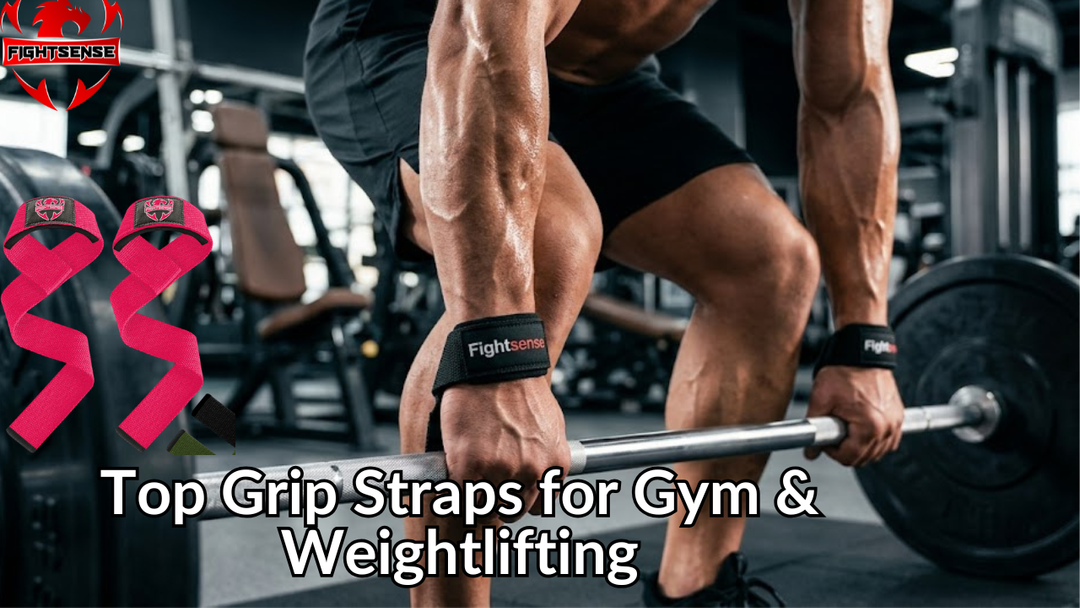
Top Grip Straps for Gym & Weightlifting
Top Grip Straps strength training is not just about lifting weights—it is about lifting them correctly, safely, and progressively. One of the most overlooked yet essential gym accessories that can significantly improve your performance is workout straps. Many beginners think grip strength is enough, but as you start lifting heavier weights, your hands often fail before your muscles do. This is where straps become a game-changer.
In this detailed guide, we will explore everything you need to know about traps: how they work, why they are important, types, benefits, buying guide, usage techniques, and expert-level training tips.
Keynotes:
- Grips strips give more traction on many surfaces and help to lessen slipping.
- Regular use of grip strips will help you to raise your average grip strength in pounds.
- Perfect for household safety, grip bands are robust and durable for sports performance.
- Over time, adding a grip strip to your program will help you consistently raise your grip strength and performance.
What Are Grip Straps?
Grip straps are fitness accessories designed to wrap around your wrist and gym equipment (like barbells, dumbbells, or pull-up bars) to enhance your grip.
They are usually made from:
- Heavy-duty cotton
- Nylon webbing
- Leather (premium versions)
Their main purpose is to reduce grip fatigue so you can focus on lifting heavier weights without worrying about your hands slipping. Instead of your fingers bearing all the load, the straps distribute weight across your wrist and forearm.
Why Top Grip Straps Matter in Strength Training?
In exercises like deadlifts, barbell rows, shrugs, and pull-ups, your grip is often the weakest link.
For example:
- Your back muscles may still be strong
- But your hands give up first
Top Grip straps solve this issue by allowing your target muscles to work at full capacity.
Benefits of Using Lifting straps
Increased Lifting Capacity
Top Grip straps allow you to lift heavier weights safely. This is especially useful in compound movements like:
- Deadlifts
- Romanian deadlifts
- Bent-over rows
Better Muscle Growth
When grip fatigue is removed, your muscles stay under tension longer. This leads to:
- More muscle activation
- Better hypertrophy (growth)
- Improved strength gains
Reduced Risk of Injury
When your grip fails suddenly, it can cause:
- Dropping weights
- Muscle strain
- Wrist injuries
Grip provide extra security and stability.
Improved Training Volume
You can perform:
- More reps
- More sets
- Longer training sessions
This is ideal for progressive overload.
Types of Gym straps
Basic Lifting Straps
These are simple straps made of cotton or nylon.
Best for:
- Beginners
- Light to moderate lifting
Lasso Straps
These have adjustable loops for better fit and control.
Best for:
- Intermediate lifters
- Versatile gym use
Figure 8 Straps
These provide maximum grip security.
Best for:
- Powerlifters
- Very heavy deadlifts
Padded Wrist Straps
These come with extra wrist cushioning.
Best for:
- Heavy training sessions
- Users with wrist discomfort
How to Choose the Best hand straps?
Choosing the best hand straps comes down to your training style, comfort, and lifting goals. Start with the material quality—strong cotton, nylon, or leather straps are more durable and handle heavy loads better. Also pay attention to stitching strength, because reinforced stitching ensures the straps don’t wear out quickly under pressure. Comfort is equally important;
If you train regularly or lift heavy, go for padded wrist support to avoid strain and discomfort. Make sure the straps provide a secure fit and proper length so they wrap tightly around the bar without slipping during lifts.
How to Use Gym straps Properly?
Using Gym straps incorrectly can reduce their effectiveness. Follow these steps:
- Wrap the strap around your wrist securely
- Place the loose end around the barbell
- Rotate your hand to tighten the grip
- Ensure the strap is fully locked before lifting
- Maintain a firm posture throughout the movement
Proper technique ensures safety and maximum performance.
Advanced Training Tips with Grip Straps
If you want to maximize results:
Use Straps Only on Heavy Sets
Avoid using Gym straps during warm-ups. Use them only when lifting near your maximum weight so your natural grip strength also develops properly.
Combine With Chalk (Optional)
Using chalk with support straps can further reduce slippage and improve control during very heavy lifts, especially in deadlifts and rows.
Train Grip Separately
Include exercises like farmer’s walks, dead hangs, and plate pinches to build raw grip strength alongside strap use.
Progressive Overload
Gradually increase the weight while using straps to ensure continuous strength and muscle development without risking injury.
Who Should Use support straps?
Gym straps are ideal for:
- Bodybuilders
- Powerlifters
- Fitness enthusiasts
- Athletes doing heavy pulling exercises
They are especially useful if you struggle with grip fatigue during workouts.
Fightsense support straps – A Reliable Choice for Lifters
Fightsense is a growing fitness brand known for producing durable and performance-focused gym accessories, and their Gym straps are no exception. Designed with heavy-duty materials and reinforced stitching, Fightsense Gym straps provide strong wrist support and excellent grip stability during intense lifting sessions.
They are especially useful for exercises like deadlifts, rows, and shrugs, where grip fatigue often becomes a limiting factor. The brand focuses on comfort as well, offering padded wrist areas to reduce strain during long workouts.
Final Thoughts:
Top Grip straps are a powerful tool in strength training when used correctly. They help you lift heavier, train longer, and build muscle more efficiently. However, they should be used as a support tool—not a replacement for natural grip strength training.
If your goal is serious muscle growth and performance improvement, adding high-quality workout straps to your gym gear is a smart decision.
Disclaimer:
This blog post is only for informative needs. See a professional first, then adjust your exercise or safety precautions.