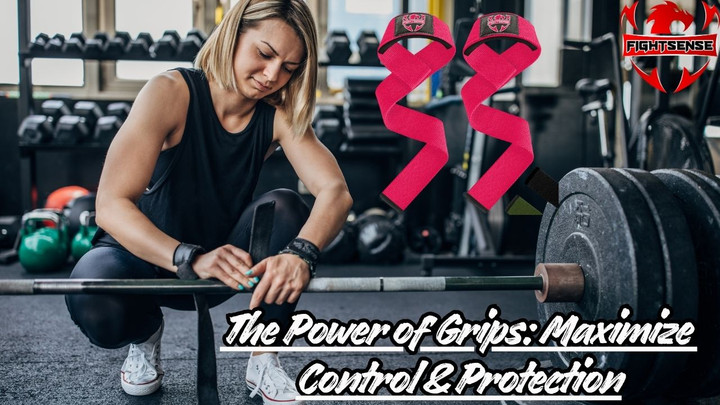
Grips strength is one of the most underrated yet essential components of overall fitness. It plays a key role in almost every physical activity, from lifting groceries at home to performing intense gym workouts and combat sports. Your grip directly influences how much control, stability, and power you can generate in any movement.
A strong grip not only enhances performance but also helps protect your wrists, hands, and forearms from unnecessary strain and injury. In this guide, we will take a closer look at grip strength, its importance, and practical ways to train it effectively at home, in the gym, and in your daily routine.
Key Points:
- Grip strength improves overall control, power, and stability in training and daily life
- Strong grips help reduce the risk of wrist, hand, and forearm injuries
- Both home and gym exercises can effectively build grip strength
- Consistent training (2–4 times weekly) is key for visible improvement
- Fightsense grip tools help enhance strength, endurance, and performance faster
What Are Grips?
Grips refer to the ability of your hands to hold, squeeze, or control objects firmly. This includes everything from holding weights to carrying bags or controlling sports equipment.
There are different types of grip strength:
- Crushing grip (squeezing strength)
- Pinch grip (holding objects between fingers and thumb)
- Support grip (holding something for a long time)
Each type plays a different role in fitness, sports, and everyday activities.
Importance of Grip Strength in Daily Life:
Grip strength is not only for athletes—it is essential in daily life too.
A strong grip helps you:
- Carry heavy grocery bags easily
- Open tight jars and bottles without struggle
- Lift and move household items safely
- Reduce wrist pain during daily chores
- Improve hand endurance for long tasks
Even simple tasks become easier and safer when your grip is strong.
How Grips Improve Control & Power?
Strong grips give you better control over movement and force. Whether you are lifting weights, doing push-ups, or performing sports techniques, grip strength allows you to stay stable and powerful. In sports, it improves control over equipment, opponents, or body balance.
In fitness training, it helps you lift heavier weights with proper form and reduces the chances of slipping or losing control. At home, this means better handling of objects, safer lifting, and less fatigue during physical work.
Home-Based Grip Training (No Equipment Needed)
You don’t always need gym equipment to improve your power of grip. You can train effectively at home using simple methods:
- Towel squeeze: Roll a towel and squeeze it tightly for 30–60 seconds
- Rice bucket training: Dig and squeeze your hands inside a bucket of rice
- Wall hangs or bar hangs (if available)
- Carrying water bottles or filled buckets
- Finger push-ups against a wall or floor
These exercises are simple but very effective for building grip strength at home.
Gym-Based Grip Exercises:
If you have access to a gym, you can improve grip strength faster with:
- Dead hangs on pull-up bar
- Farmer’s carry with dumbbells
- Wrist curls and reverse curls
- Deadlifts (excellent for grip strength)
- Plate pinches
Combining gym and home training gives the best results.
Tips to Improve Grip Faster:
To get stronger grip quickly:
- Train grip 3–4 times per week
- Start with light resistance and increase gradually
- Focus on all types of grip strength
- Stay consistent for long-term results
- Give your hands proper rest after training
Who Should Train Grip Strength Regularly?
Grip strength training should be a regular part of almost every fitness routine because it supports both performance and daily functionality. Athletes such as fighters, gym lifters, and climbers rely heavily on strong grip for better control, stability, and power during their activities.
However, it is not only for sports professionals—anyone who performs physical tasks, carries weight, or wants to improve hand endurance can benefit from it. Regular grip training helps improve overall strength, reduces the risk of injury in the hands and wrists, and makes everyday activities like lifting, carrying, and holding objects much easier and more efficient.
Common Mistakes in Grip Training:
Many people struggle to improve grip because of these mistakes:
- Training too hard without recovery
- Ignoring warm-up exercises
- Using incorrect hand positioning
- Not training consistently
- Only focusing on one type of grip
Avoiding these mistakes will speed up your progress.
Fightsense Grip Training Equipment:
Fightsense offers high-quality grip equipment designed to help improve hand strength, control, and overall performance. Whether you are training at home or in the gym, Fightsense grips provide effective resistance that targets your fingers, wrists, and forearms for better endurance and power.
Using Fightsense tools regularly can help athletes, fighters, and fitness enthusiasts build stronger, improve stability during workouts, and enhance daily functional strength. These tools are simple to use, durable, and suitable for all fitness levels, making them a reliable choice for anyone serious about improving grip performance.
Final Thoughts:
Grips strength is a key foundation of overall fitness, control, and performance. Whether you are training for sports, working out in the gym, or simply improving daily life strength, developing your grip can make a noticeable difference.
With consistent practice and the right exercises, you can build stronger hands, better endurance, and improved stability over time. Adding tools like Fightsense grip support your progress and help you achieve faster, more effective results. Stay consistent, train smart, and your grip strength will continue to improve steadily.
Disclaimer:
This stuff is intended for just educational usage. See a fitness or medical professional before using wrist-support gloves, especially if you have current medical problems or injuries.
FAQs:
1. How long does grip strength take to improve?
Most people notice improvements within 3–6 weeks of consistent training, depending on intensity and recovery.
2. Is grip training useful for daily life?
Yes, it makes everyday tasks like carrying, lifting, and holding objects easier and safer.
3. Can I train grip at home?
Yes, simple exercises like towel squeezing, carrying bags, or bar hangs work very effectively.
4. How often should I train grip?
2–4 times per week is enough for good results without overtraining.
5. Why use Fightsense grip tools?
They provide targeted resistance to build hand, wrist, and forearm strength more effectively.