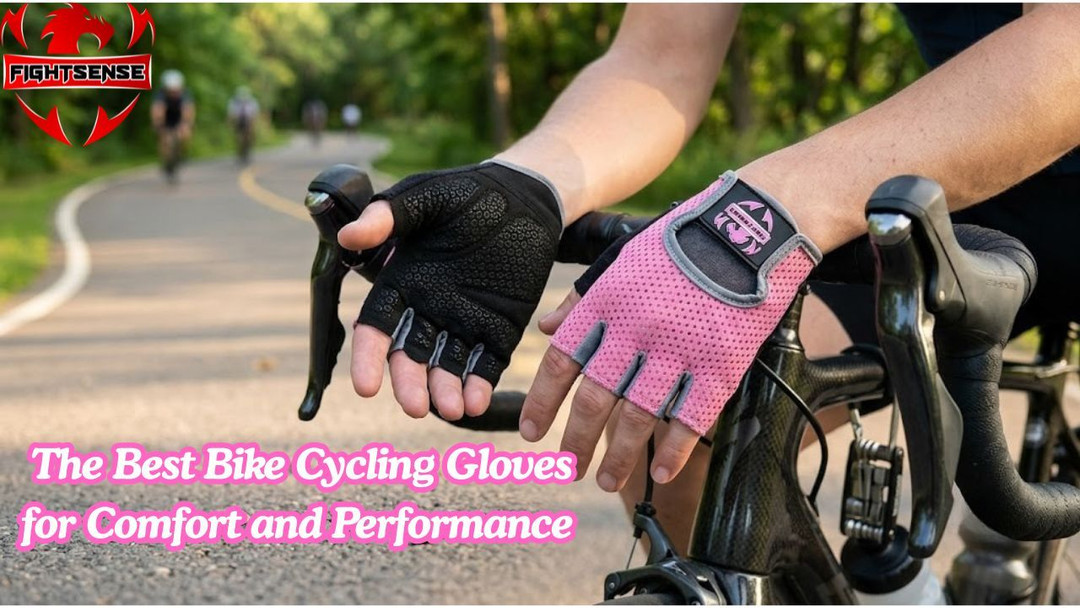
The Best Bike Cycling Gloves for Comfort and Performance
Numb hands, aching wrists, and painful blisters can quickly ruin a great ride. Whether you are tackling rugged mountain trails, commuting through city streets, or logging long miles on asphalt, investing in high-quality bike cycling gloves is one of the easiest ways to transform your riding experience.
Gloves do far more than complement your kit—they absorb harsh road vibrations, provide essential grip when your hands get sweaty, and act as a first line of defense during an unexpected spill. In this comprehensive guide, we will break down everything you need to know to choose the perfect pair for your riding style, hand shape, and local climate.
What Are Cycling Gloves?
Cycling gloves are specialized protective performance gear designed to provide cyclists with comfort, superior grip, and hand protection during rides. Unlike standard gloves, cycling gloves feature strategically placed palm padding—typically gel or high-density foam—that absorbs road vibrations and dampens trail chatter. This critical cushioning relieves pressure on the ulnar and median nerves, effectively preventing hand numbness and cyclist's palsy.
Why Every Rider Needs Bike Cycling Gloves
Riding without gloves might feel minimalist, but your hands bear a heavy load every time you roll out. Here is why wearing proper cycling gloves is crucial for every discipline:
- Vibration Dampening & Nerve Protection: Constant chatter from the road or trail presses directly against the ulnar and median nerves in your palms. Over time, this pressure causes tingling, numbness, and driver's palsy (cyclist's palsy).
- Enhanced Control & Grip: Sweat, rain, and mud make handlebars slick. Textured palm fabrics and silicone grippers give you precise control over your brake levers and shifters.
- Crash Protection: It is human instinct to catch yourself with open palms during a fall. High-density fabrics prevent painful road rash and deep abrasions.
- Temperature Regulation: Windproof fabrics keep your fingers warm in winter, while breathable mesh wicks away moisture during hot summer climbs.
Types of Cycling Gloves: Fingerless vs. Full-Finger
Choosing between fingerless mitts and full-finger gloves depends heavily on weather, terrain, and personal preference.
Fingerless Gloves (Half-Finger / Mitts)
Fingerless gloves cover the palm and upper hand while leaving your fingertips exposed.
- Best For: Hot-weather road cycling, indoor training, and warm gravel rides.
- Pros: Unmatched ventilation, easy touch-screen operation, and a natural bar-feel.
- Cons: Zero protection for fingertips during crashes or overgrown trail brushed edges.
Full-Finger Gloves
Full-finger designs enclose the entire hand, providing wall-to-wall coverage.
- Best For: Mountain biking (MTB), gravel grinding, cold-weather riding, and downhill discipline.
- Pros: Full protection against brush, rocks, and cold winds; better lever grip in wet conditions.
- Cons: Can trap heat on hot mid-summer road climbs if not properly ventilated.
Understanding Padding: Gel vs. Foam
Padding dampens high-frequency vibrations from the front wheel before they reach your joints. The two dominant padding materials serve slightly different needs:
1. Gel Padding
Gel inserts offer superior damping for heavy impacts and long hours on rough surfaces.
- Ideal For: Long-distance endurance road rides, touring, and riders recovering from hand pain.
- Characteristics: High shock absorption, denser feel, slightly heavier weight.
2. High-Density Foam (EVA)
Foam pads compress under load to conform to your palm's natural contours without feeling bulky.
- Ideal For: Mountain bikers and criterium racers who prioritize steering directness.
- Characteristics: Lightweight, firm tactile feedback, breathable, less prone to shifting under load.
How to Choose the Right Gloves for Your Riding Style
Matching your gear to your discipline ensures you do not compromise on control or comfort.
Road Cycling
Look for aerodynamic, lightweight mitts with strategic ulnar nerve padding and breathable back-of-hand mesh. Minimalist palms allow smooth transitions between the hoods, drops, and tops.
Mountain Biking (MTB) & Cross-Training
MTB gloves require full-finger coverage, durable synthetic leather palms, and abrasion-resistant outer shells. Look for silicone print on the index and middle fingers for instant brake lever bite.
Established fitness brands like Fightsense—widely known for high-durability weightlifting gears, wrist wraps, and training equipment—apply similar ergonomic palm support and heavy-duty grip technology to their line of cycling gloves, making them a reliable choice for riders looking for extra durability and hand protection across both gym workouts and road rides.
Gravel & Adventure
Gravel riding combines long duration with vibration-heavy surfaces. Seek out hybrid full-finger gloves with moderate gel inserts and reinforced thumb crotches for resting on brake hoods.
Get Yours Now!
Key Features to Look For
When evaluating high-performance bicycle gloves, keep an eye out for these essential construction details:
- Terry Cloth Micro-Wipe: A soft patch along the back of the thumb designed for clearing sweat or glasses without scratching skin.
- Pull Tabs & Removal Loops: Integrated webbing between fingers or at the wrist cuff that makes taking off tight mitts fast and effortless.
- Touchscreen Compatibility: Conductive threads on the index finger and thumb of full-finger models so you can check maps without removing gloves.
- Cuff Styles: Choose between low-profile slip-on stretch cuffs (lightweight, aero) or adjustable Hook-and-Loop straps (secure, customizable fit).
Bike Cycling Gloves Comparison Matrix
|
Feature / Metric |
Road Fingerless Mitts |
MTB Full-Finger |
Winter Thermal Gloves |
|
Primary Focus |
Ventilation & Aero |
Impact & Trail Protection |
|
|
Padding Type |
Thin Gel or EVA |
Minimalist Foam / Unpadded |
Medium EVA or Membrane Layer |
|
Best Temperature |
65°F to 100°F+ (18°C+) |
50°F to 85°F (10°C to 29°C) |
Sub-30°F to 50°F (-1°C to 10°C) |
|
Touchscreen Friendly |
Yes (Fingertips free) |
Dependent on Model |
Conductive Fingertips |
|
Durable Fabric |
Mesh / Lycra |
Ripstop / Cordura |
Softshell / Gore-Tex |
How to Measure Your Hands for the Perfect Fit
A glove that is too tight cuts off blood circulation and causes cold, numb fingers. A glove that is too loose bunches up in your palm, creating painful friction blisters.
Follow This Step-by-Step Measurement Guide:
- Prepare Your Tape: Use a flexible fabric measuring tape. (If using string, lay it flat against a ruler afterward).
- Measure Palm Circumference: Wrap the tape around the widest part of your dominant hand, just below the knuckles, excluding your thumb.
- Measure Hand Length: Measure from the base of your palm (wrist crease) to the tip of your middle finger.
- Compare to Size Charts: Refer to manufacturer sizing, as sizing varies significantly across brands:
- Small: 7.5" – 8.0" (19 – 20 cm)
- Medium: 8.0" – 8.5" (20 – 21.5 cm)
- Large: 8.5" – 9.0" (21.5 – 23 cm)
- X-Large: 9.0" – 9.5"+ (23 – 24+ cm)
Pros and Cons of Wearing Cycling Gloves
Pros
- Nerve Cushioning: Reduces vibration transmission to prevent chronic numbness.
- Superior Friction: Eliminates grip loss caused by palm sweat.
- Crash Defense: Protects skin against road rash and jagged rocks.
- Squeeging Action: Integrated thumb wipes manage sweat quickly during hard efforts.
Cons
- Tan Lines: Half-finger gloves leave distinct wrist and knuckle tan lines.
- Extra Maintenance: Requires regular washing to prevent odor and fabric stiffness.
- Reduced Natural Feel: Thick gel padding can slightly mute direct handlebar feedback.
Pro Tips for Maintenance and Longevity
- Wash Cold, Air Dry Always: Heat from tumble dryers ruins elastic synthetic fibers, shrinks leather, and breaks down silicone grip elements. Wash in cold water on a delicate cycle inside a mesh laundry bag.
- Fasten Velcro Straps Before Washing: Exposed hook-and-loop closures snag fine mesh linings and tear apart jersey threads in the wash.
- Rotate Pairs: Alternating between two pairs gives foam and gel padding time to rebound between back-to-back riding days.
Common Mistakes to Avoid When Buying
- Over-Padding the Palms: More cushion is not always better. Excessive padding shifts under hand pressure, causing wrist strain and loss of bike control.
- Ignoring the Thumb Crotch: Ensure there are no rough seams in the webbing between your thumb and index finger—this area rests heavily on road hoods.
- Buying Unseasonal Gear: Using windproof full-finger gloves in peak mid-summer leads to overheating, sweaty hands, and soft skin prone to tearing.
FAQs:
1. Should riding gloves fit tight or loose?
They should fit snug without pinching or restricting circulation. When you make a fist around your handlebars, there should be no tight pulling across the back of the hand or excess fabric gathering in the palm.
2. How do riding gloves stop hand numbness?
They feature strategically mapped padding over the ulnar and median nerve pathways. By distributing pressure across the palm rather than isolating it on small contact points, they keep blood flowing freely.
3. How to use mountain bike gloves on a road bike?
Yes! Many riders prefer thin, full-finger MTB gloves on road bikes for complete sun protection and enhanced braking control in wet weather.
4. How often should we place cycling gloves?
With regular use, expect to replace them every 1–2 seasons. Inspect them for packed-down padding, frayed seams, or slick palms where grip patterns have worn off.
5. Do fingerless gloves protect your hands in a crash?
Yes. While they leave fingertips exposed, they cover the heel of the palm, which takes the vast majority of impact and slide force during a crash.
6. Is touch-screen capability durable on full-finger gloves?
Touchscreen threads wear down over time with friction and wash cycles. To prolong conductivity, avoid scraping fingertips across harsh surfaces like concrete or trail debris.
Conclusion:
Investing in high-performance bike cycling gloves is one of the smartest, most cost-effective upgrades you can make to your cycling setup. The right pair protects your delicate nerves, improves bike handling, and ensures that painful blisters never cut your rides short.
Disclaimer:
Certain links on this blog are affiliate links, so we may receive a commission if you purchase something. Always select products that suit your individual needs and tastes.