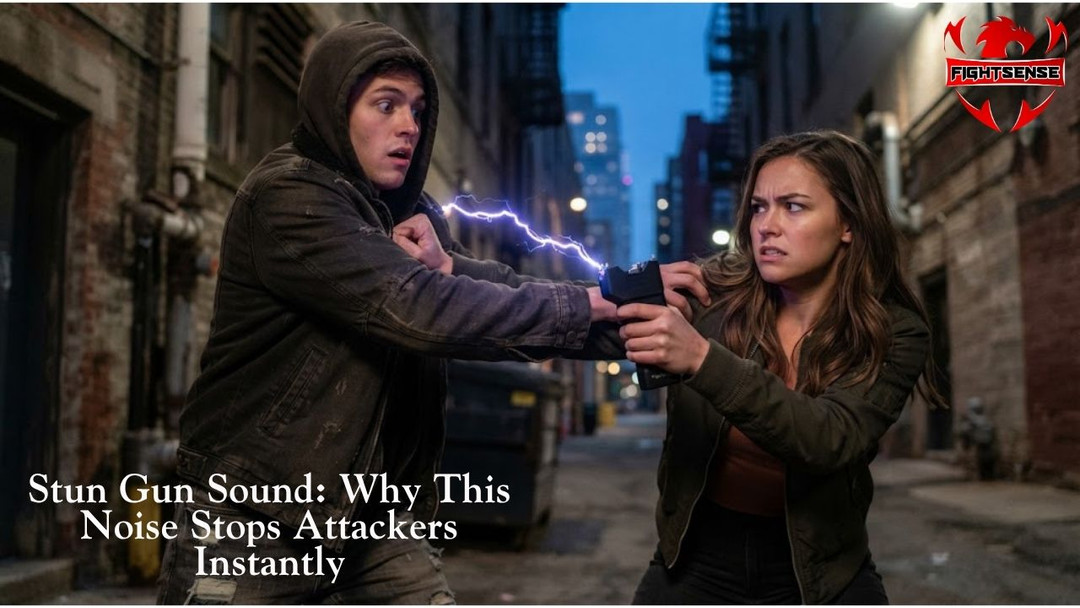
Stun Gun Sound: Why This Noise Stops Attackers Instantly
The sharp, electric crackle of a stun gun sound is often all it takes to defuse a dangerous situation before it even escalates. In personal safety, psychological deterrence is just as crucial as physical defense. When an aggressor hears that unmistakable electrical arc, the element of surprise shifts immediately in your favor. For those looking to invest in reliable personal protection, FightSense stun guns are engineered to deliver both that commanding auditory deterrent and dependable stopping power when it matters most.
The Psychology of the Stun Gun Sound
Human psychology reacts instantly to sharp, high-frequency threats. The distinct stun gun sound triggers an immediate fight-or-flight response, signaling high risk without necessarily requiring direct physical contact.
Attackers rely heavily on stealth, intimidation, and the perceived vulnerability of their target. When a loud, visual, and electrical current cuts through the silence, it shatters that dynamic instantly. It signals that you are prepared, armed, and far from an easy target. FightSense designs its non-lethal self-defense tools with this exact psychological edge in mind—combining high-voltage electrical capability with intimidating visual and auditory warnings to keep you secure during late-night commutes, dark parking lots, or solo outdoor runs.
Why Intimidation Prevents Physical Confrontation
Most predatory individuals look for quick, compliant targets. When faced with an unexpected, aggressive sensory input like a loud electrical arc, their calculated risk assessment changes completely. The instinctive fear of pain and public attention causes most attackers to abandon an assault immediately rather than risk escalation.
How High-Voltage Arcs Work as a Deterrent
Understanding the physics behind personal protection devices helps clarify why they are so fundamentally effective in everyday emergency scenarios. A stun gun discharges high voltage at a low amperage, a specific electrical configuration that creates the iconic visible spark between the contact prongs.
- Auditory Feedback: The rapid ionization of air molecules creates the sharp cracking noise that echoes in closed or open spaces.
- Visual Deterrence: A bright electric blue or purple arc is clearly visible even in low-light conditions, amplifying the shock value.
- Neuromuscular Disruption: If physical contact actually occurs, the high-frequency electrical pulses temporarily override the attacker's central nervous system.
The Science of Sound Waves in High-Stress Environments
When adrenaline spikes, auditory processing changes. A sharp, high-decibel electrical sound cuts through tunnel vision and panic, instantly refocusing attention and signaling an active defense mechanism.
Stun Gun vs. Pepper Spray: Auditory vs. Chemical Deterrence
Choosing the right non-lethal tool depends heavily on your environment, comfort level, and personal preparedness style. Here is how modern stun guns compare to traditional chemical spray options.
|
Feature |
FightSense Stun Gun |
Traditional Pepper Spray |
|
Primary Deterrent |
||
|
Range |
Contact-based (Requires proximity) |
6 to 12 feet |
|
Reusability |
Fully rechargeable battery |
Single-use or limited canister sprays |
|
Psychological Impact |
Immediate fear response from the noise |
Delayed reaction upon chemical contact |
|
Wind Vulnerability |
None (Operates independently of weather) |
Can blow back in windy conditions |
Step-by-Step Guide: How to Test and Deploy Your Device Safely
Proper handling ensures your equipment functions flawlessly when you need it most while preventing accidental misfires in daily carry.
- Familiarize Yourself with the Controls: Locate the safety switch and trigger button in a well-lit room before carrying the device outside.
- Perform a Brief Test Firing: Test-fire the device for just one second to verify the battery charge and hear the acoustic output. Avoid continuous dry-firing, as it can strain internal transformers.
- Adopt a Defensive Stance: Hold the device firmly with an anti-slip grip, keeping your arm slightly bent and close to your body to prevent an attacker from grabbing your wrist.
- Deploy the Auditory Warning First: If approached, activate the electrical arc to create an intimidating barrier before physical engagement becomes necessary.
Pros & Cons of Using Non-Lethal Self-Defense Tools
Pros of Non-Lethal Protection
- Provides a reliable, non-lethal means of neutralizing immediate threats.
- Highly effective psychological deterrent driven by noise, light, and high voltage.
- Compact designs easily fit into pockets, purses, or specialized tactical holsters.
- Cost-effective alternative to firearms with zero ongoing ammunition replacement expenses.
Cons to Keep in Mind
- Requires close physical contact with the aggressor to deliver a direct shock.
- Demands regular battery checks and basic maintenance to ensure full readiness.
- Legal restrictions vary by region, requiring users to review local laws before carrying.
Expert Tips for Carrying and Maintaining Your Stun Gun
- Keep It Accessible: Store your device in an outer pocket or dedicated holster rather than buried deep at the bottom of a backpack or handbag.
- Monthly Battery Checks: Lithium-ion batteries gradually lose charge over time. Plug your rechargeable device into a wall outlet monthly to maintain peak voltage capacity.
- Clean the Contact Prongs: Wipe the metal electrodes occasionally with a dry cloth to prevent dust, lint, or debris accumulation that could hinder performance.
Common Mistakes to Avoid in High-Stress Situations
- Failing to Practice Draws: Neglecting to practice how to quickly pull the device from your bag or holster under simulated pressure.
- Ignoring Routine Maintenance: Assuming the internal battery is fully charged without testing the device periodically.
- Over-Reliance on Sound Alone: While the auditory warning often stops threats instantly, you must remain prepared to use physical contact if an aggressor persists.
FAQs:
What causes the loud sound on a stun gun?
The iconic noise is generated by the rapid ionization of air between the metal electrodes when high voltage discharges through the atmosphere.
Does the sound alone scare away attackers?
Yes. In many scenarios, the loud electrical crackle and visible spark trigger an immediate psychological fear response, causing aggressors to flee immediately.
Do FightSense stun guns require replacement batteries?
Most models feature built-in, eco-friendly rechargeable batteries that easily plug into standard electrical outlets, saving you from buying constant replacements.
Can a stun gun be used through thick clothing?
Modern high-voltage units are purposefully designed to penetrate standard layers of winter or heavy clothing to deliver an effective electrical impulse.
Can an attacker disarm and use the stun gun against?
Maintaining a firm, tactical grip and using integrated wrist straps minimizes this risk significantly during a high-stakes emergency.
Is training required to operate a non-lethal self-defense tool?
While formal training is not strictly mandatory, practicing basic deployment steps builds crucial muscle memory for high-stress moments.
Conclusion:
Personal safety is ultimately about preparation, awareness, and having reliable tools at your disposal. Understanding how environmental factors like a commanding stun gun sound work in high-risk scenarios gives you an immediate psychological advantage. Explore the FightSense collection of self-defense stun guns today to find a compact, powerful device built to protect you on your terms.
Disclaimer:
Stun gun laws vary by location. Always follow local regulations and use self-defense devices responsibly and only for legal purposes.