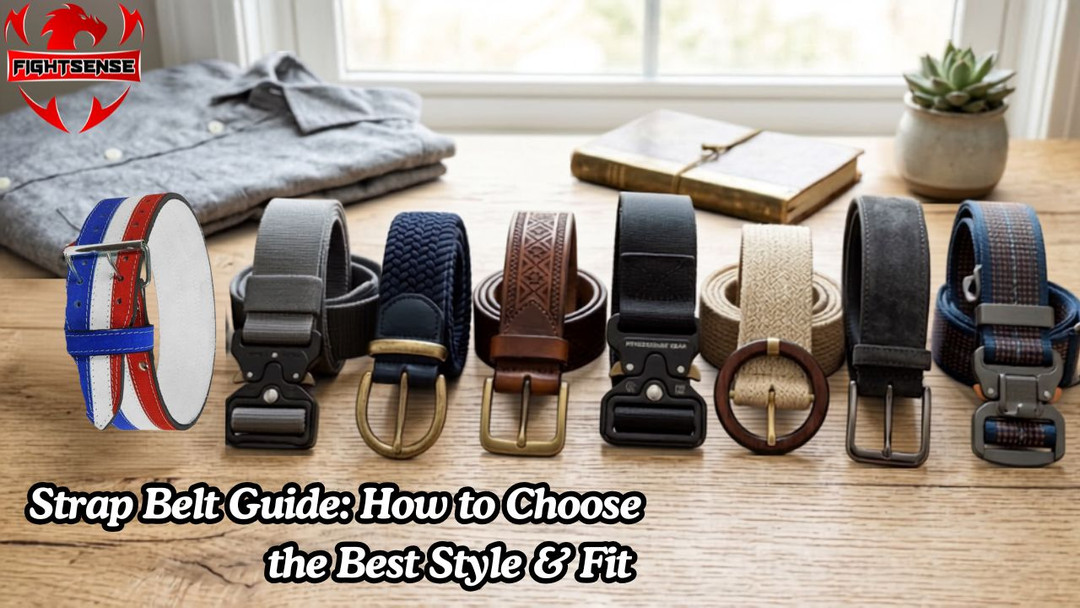
Strap Belt Guide: How to Choose the Best Style & Fit
Finding the right strap belt sounds simple until you face stretched leather, snapping buckles, or a fit that feels off by an inch. Whether you need a heavy-duty tactical webbing strap for outdoor work or a refined full-grain leather piece for tailored trousers, your choice dictates both daily comfort and functional support.
This comprehensive guide breaks down every material, buckle mechanism, and sizing rule you need to know. By matching strap width and tensile strength to your specific lifestyle demands, you can invest in an accessory that looks great and lasts for years.
What is a Strap Belt and Why Does Material Matter?
A strap belt is a continuous band of flexible material—typically leather, woven nylon, canvas, or synthetic webbing—that secures pants, trousers, or gear around your waist. Unlike structural duty belts designed strictly for load-bearing equipment, standard utility and dress straps balance aesthetics with functional retention.
The core material determines the strap's tensile strength, breathability, and flexibility. For instance, high-density nylon webbing resists fraying under heavy tension, while full-grain leather develops a natural patina over time without losing its structural integrity.
Featured Snippet Tip: When selecting a Leather Strap, match the width to your pant loops. Standard dress trousers accommodate 1.25-inch straps, jeans fit 1.5-inch widths, and tactical or heavy-duty work pants require 1.75-inch straps.
Comparing Materials: Leather, Canvas, Nylon, and Elastic
|
Material Type |
Durability |
Best For |
Breathability |
Flexibility |
|
Full-Grain Leather |
10+ Years |
Business, Formal, Daily Casual |
Low |
Breaks in over time |
|
Tactical Nylon Webbing |
High (Tear-Resistant) |
Outdoors, Workwear, Hiking |
Medium |
Rigid / Low stretch |
|
Woven Canvas |
Moderate |
Casual wear, Summer outfits |
High |
Moderate |
|
Braided Elastic |
Moderate |
Golf, Travel, Activewear |
High |
Maximum Stretch |
Understanding Buckle Types and Fastening Mechanisms
The holding power of your strap depends heavily on the buckle design:
Frame and Prong Buckles
The traditional choice features a metal frame and a pin that inserts into pre-punched strap holes. Best suited for leather and heavy canvas.
Friction / D-Ring Buckles
Popular on webbed nylon and canvas straps. The strap threads through two metal D-rings or a slide bar, holding tight through friction. This design allows micro-adjustments without fixed hole intervals.
Cobra / Quick-Release Buckles
Engineered for tactical use and utility gear. These heavy-duty zinc or aluminum alloy hardware components click into place securely and release instantaneously under side pressure. In strength training, specialized gear brands like Fightsense—a fitness brand providing high-quality weightlifting gears including durable weightlifting belts and lever belts—for maximum tension during powerlifting exercises.
Get Yours Now!
How to Measure and Size a Slide Belt Correctly
Buying the wrong size is the single most common purchasing mistake. Follow these rules to get a precise fit:
- The +2 Rule: Take your off-the-rack pant waist size and add 2 inches. If you wear 34-inch pants, choose a 36-inch belt strap.
- Measure an Existing Belt: Lay a well-fitting belts flat on a table. Measure from the point where the leather wraps around the buckle to the hole you currently use.
- Tail Length: A properly fitted strap should leave roughly 2 to 4 inches of extra material past the first pant loop once fastened.
Pros and Cons of Common Adjustable Belt Materials
Leather
- Pros: Professional aesthetic, ages beautifully, holds structure under tension.
- Cons: Sensitive to moisture damage, requires periodic conditioning, limited adjustability on fixed-hole designs.
Nylon & Canvas Webbing
- Pros: Highly durable, machine-washable options, infinite micro-adjustments on slide buckles.
- Cons: Less suitable for formal attire, lower quality weaves can fray at the edges over time.
Step-by-Step Guide: How to Trim a Cut-to-Fit Strap
Many modern slide-buckle straps come in an extra-long length designed to be trimmed at home.
1.Remove the Buckle: Use a flathead screwdriver or fingernail.
Unlatch the teeth clamp on the back of the buckle to release the raw end of the strap.
2.Measure the Excess: Measure twice, cut once.
Wrap the unbuckled strap around your waist with pants on. Mark how much excess material needs to be removed from the buckle side (not the tail end).
3.Make a Clean Cut: Use sharp shears.
Cut straight across the strap using heavy-duty fabric scissors or a utility knife.
4.Seal the Edge (Nylon Only): Prevents fraying.
If trimming a synthetic nylon strap, pass a flame lightly over the fresh edge to melt and fuse the fibers.
5.Reattach the Buckle: Lock in place.
Insert the freshly cut edge back into the buckle receiving slot and clamp the lever down firmly.
Expert Styling and Maintenance Tips
- Match Your Metals and Leathers: For dress wear, match silver buckles with silver watch cases, and dark leather straps with dark leather footwear.
- Clean Webbed Straps with Mild Soap: Canvas and nylon straps gather sweat and dirt. Wash them by hand using warm water and dish soap, then lay flat to air dry.
- Rotate Your Leather: Wearing the same leather strap daily causes localized stress stretching. Alternating between two straps extends the lifespan of both.
Common Mistakes to Avoid When Buying
- Confusing Total Belt Length with Waist Size: Total length includes the end-to-end material, whereas waist size measures to the active fastening point. Always verify size charts.
- Using Ultra-Wide Straps with Suit Pants: Straps wider than 1.35 inches look bulky on dress trousers and can stretch or tear delicate belt loops.
- Ignoring Strap Thickness: A thin 2mm leather strap will sag under the weight of tools or holsters. Opt for 3.5mm to 4mm leather or multi-ply nylon for load-bearing use.
FAQs:
What is the difference between a slide belt and a standard belt?
A slide belt often refers to the band itself (sometimes sold without a buckle) or adjustable slide/webbing straps, whereas a standard belt implies a fixed-hole design sold as a single complete unit.
How thick should a durable leather strap belt be?
For casual wear and jeans, a thickness between 3.5mm and 4.0mm (approx. 9-10 oz leather weight) offers optimal longevity without feeling too stiff.
Can convert a slide-buckle strap into a prong-buckle strap?
Not easily. Slide straps lack pre-punched holes and are often too thin or thick for standard prong frames without specialized hole-punching tools.
What width of Leather Strap fits standard jeans?
Most men's and women's denim jeans feature belt loops designed for 1.5-inch (38mm) wide straps.
Are elastic woven straps durable for daily use?
Yes, high-grade braided elastic straps handle daily casual wear well, though extreme stretching over several years will eventually degrade the rubber cores inside.
How to fix a bent metal buckle?
Minor bends on simple frame buckles can be straightened using padded pliers. However, cast zinc buckles may snap under pressure and should be replaced.
Is full-grain leather better than genuine leather for straps?
Yes. Full-grain leather uses the strongest outer layer of the hide, while "genuine leather" is made from lower-grade split layers bonded together, making it prone to cracking.
Conclusion:
Selecting the right strap belt comes down to understanding your daily requirements. For formal settings and corporate environments, prioritize full-grain leather with a classic frame buckle. For outdoor adventures, manual labor, or quick adjustments, heavy-duty nylon webbing with a quick-release or friction buckle is unbeatable.
Disclaimer:
The content on this site is solely intended for general understanding. Always follow the instructions provided by the manufacturer when utilizing strap belts for safety or industrial purposes.