
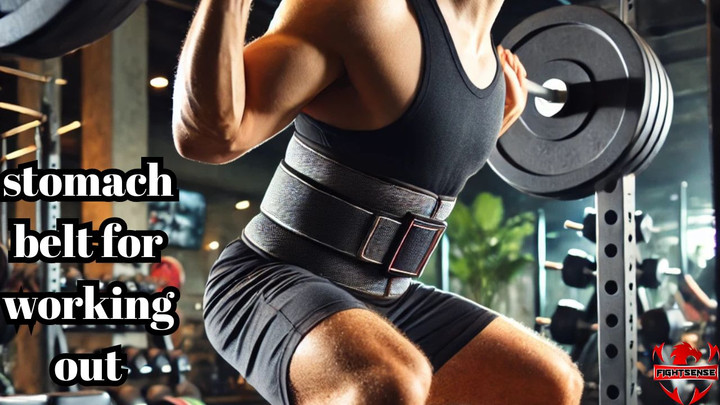
Stomach Belt for Working Out: Find the Best Option
26th Mar 2025
Stomach belt for working out — the perfect tool to elevate your training. These belts offer crucial support for your core and lower back, whether you’re doing cardio or heavy lifting. They help maintain proper form, reduce the risk of injury, and enhance overall performance. In this guide, we’ll explain how to choose the right stomach belt to match your workouts and goals.
Key highlights:
-
Working out stabilizes your core and back by means of a stomach belt, thereby avoiding injuries.
-
Perfect for abdominal, cardio, and weightlifting programs.
-
To guarantee fit and comfort, search for changeable, airy materials.
-
By improving posture and supporting the spine, a well-fitting stomach belt can boost performance.
What Is a Stomach Belt for Working Out?
During workouts, a stomach belt, a supporting tool, wraps around your waist to provide stability for your lower back and core. Usually composed of flexible and airy materials like neoprene, these belts gently push your abdomen to improve posture and shield your spine during heavy lifting or vigorous cardio.
Although many people use them for weightlifting, they are flexible enough to support a variety of exercises, so they are a preferred tool for everyone trying to improve their workouts.
How Does a Stomach Belt Work?
A stomach belt helps push your abdomen, stabilizing your core and supporting your lower back. This extra support protects your spine, improves posture, and enhances balance during workouts. By increasing abdominal pressure, it engages your core muscles more effectively, boosting overall performance while also helping to reduce the risk of injuries.
Why Use a Stomach Belt for Working Out?
Here's why you should think about including a tummy belt for working out among your gear:
Back and core support: helps balance the core, therefore lessening tension on your back during high-impact motions or heavy lifting.
Enhanced Posture: Promotes better posture so that, during deadlifts or squats, you remain aligned.
Improved Performance: The extra help enables you to push your boundaries, so enabling longer or heavier workouts.
Perfect: For weights, cardio, and abdominal activities, this provides stability over several motions.
Best Situations to Wear a Workout Support Belt:
A workout support belt can be a valuable tool in your fitness routine — but only when used correctly. It is not meant to be worn during every exercise. Instead, it provides extra core stability and lower-back support during specific types of training.
Here are the best situations where wearing a workout support belt makes sense:
1. Heavy Strength Training:
When performing compound lifts as squats, deadlifts, and overhead presses, a support belt helps increase intra-abdominal pressure. This improves spinal stability, promotes proper form, and reduces the risk of lower-back strain — especially when lifting near your maximum capacity.
2. High-Intensity or High-Impact Workouts:
Exercises like sprinting, jumping, plyometrics, or HIIT can put stress on your core and lower back. A support belt may provide additional stability during intense sessions, particularly if you have a history of lower-back discomfort.
3. Core-Focused Training:
During certain ab and core workouts, a belt can help maintain posture and encourage proper muscle engagement. However, it should not replace building natural core strength through consistent training.
Choosing the Right core support belt for Working Out:
These elements should help you choose a tummy belt for exercise:
-
Materials: For comfort and longevity, seek flexible, airy materials like neoprene.
-
Adjustability: The stomach belt lets you fit snugly and offers the correct level of support without limiting movement.
-
For heavy lifting: Choose a thicker, more stiff belt; for cardio or abdominal activities, choose a thinner, more flexible belt.
-
Fit: Make sure the belt fits tightly around your waist without uncomfortable effect. It ought to remain in place while you exercise.
Elevate Your Training with Fightsense Stomach Belts:
Choosing the right stomach belt for working out can make a significant difference in your performance and safety. Fightsense is a trusted brand that offers high-quality stomach belts designed for both sports enthusiasts and serious weightlifters.
Their belts are made from durable, breathable materials that provide excellent core and lower-back support, helping you maintain proper posture and stability during heavy lifting, high-intensity cardio, or core-focused exercises. With Fightsense stomach belts, you can train with confidence, push your limits safely, and get the most out of every workout.
FAQs:
1. Do I need a stomach belt for every exercise?
Not necessarily. They are most useful during heavy lifts, core workouts, or high-impact cardio that stress your back and abdomen.
2. Can a stomach belt help with posture?
Yes, it encourages proper spinal alignment and supports correct form throughout your movements.
3. Will wearing a stomach belt make my core muscles stronger?
Indirectly. By stabilizing your midsection, it allows better muscle engagement, enhancing the effectiveness of your workouts.
4. How tight should the belt be?
It should fit snugly for support but still allow comfortable breathing and full range of motion.
5. Which type of belt should I choose?
For heavy lifting, go for a thicker, more rigid belt. For cardio or ab-focused routines, a thinner, flexible belt works best.
Conclusion:
A stomach belt for working out is a simple yet highly effective piece of equipment that offers multiple benefits. The right belt can enhance posture, provide core stability, and reduce the risk of injury during weightlifting, cardio, or abdominal exercises.
By supporting your body and encouraging proper form, investing in a quality stomach belt helps you get the most out of your workouts while keeping you safe and confident in every session.
Disclaimer:
This blog is for informational purposes only. Consult a fitness professional before using any new equipment, including stomach belts for working out.