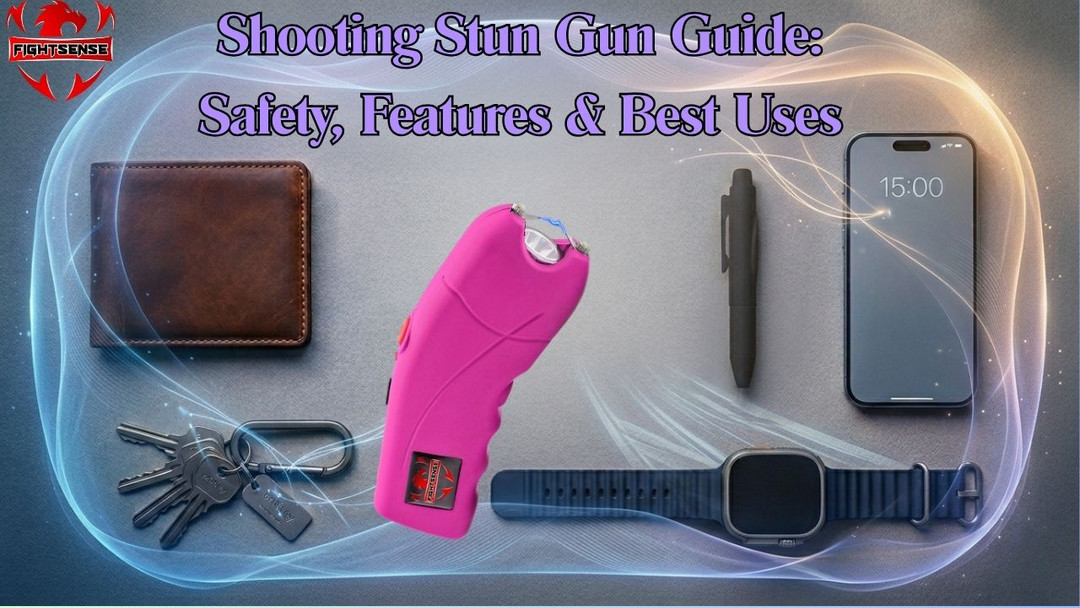
Shooting Stun Gun Guide: Safety, Features & Best Uses
Personal safety isn't something most people think about until they find themselves in an uncomfortable or unexpected situation. That's why many people look for self-defense tools that are easy to carry and quick to access when needed.A shooting stun gun stands out because it offers protection from a distance, unlike traditional stun guns that require close contact. But how does it actually work, and is it the right choice for your personal safety needs?
A shooting stun gun, sometimes called a projectile stun gun or stun gun that shoots, is one of the most advanced electronic self-defense devices available for civilian use. It provides users with the ability to respond from a safer distance while remaining compact enough for everyday carry. Understanding its features and responsible use can help you decide whether it's the right personal protection device for your needs.
In this guide, we'll explore the features, benefits, and key considerations every buyer should know before choosing a shooting stun gun.
Key Takeaways
- Understand what a shooting stun gun is and how it works.
- Learn the advantages of distance-based personal protection.
- Compare shooting stun guns with other self-defense tools.
- Discover important safety and legal considerations.
- Find out how to choose the best option for your lifestyle.
What Is a Shooting Stun Gun?
A shooting stun gun is an electronic self-defense device designed to temporarily disrupt an attacker's muscle control by delivering an electrical charge through launched probes. Unlike a traditional stun gun that requires direct contact, a long-range stun gun allows users to react from a safer distance. Because of this added range, many people consider it a practical non-lethal self-defense weapon for everyday personal protection.
The ability to create space between yourself and a potential threat is one of the primary reasons people choose a shooting stun gun over other self-defense tools.
Understanding the Basic Technology
Most shooting stun guns use compressed gas or a similar mechanism to launch probes connected to the device by conductive wires. When the probes make contact, the electrical current can affect voluntary muscle movement for a short period.
The goal is not to cause permanent harm but to provide an opportunity to escape and seek help.
How Far Can a Shooting Stun Gun Reach?
One of the biggest advantages of a shooting stun gun is its ability to provide protection from a distance. The effective range varies by model, but maintaining extra space between yourself and a potential threat can improve your ability to react safely. Factors such as probe placement, clothing, and the device's design may influence overall performance.
How Electronic Defense Devices Work
Electronic defense tools operate by delivering an electrical signal that interferes with normal communication between the brain and muscles. This temporary disruption can make it difficult for an aggressor to continue their actions.
Different devices may vary in power, range, and design, but the basic principle remains the same.
Shooting Stun Gun vs Traditional Stun Gun
| Feature | Shooting Stun Gun | Pepper Spray | Traditional Stun Gun |
|---|---|---|---|
| Protection Distance | Medium | Medium | Close Contact |
| Direct Contact Needed | No | No | Yes |
| Wind Resistant | Yes | No | Yes |
| Rechargeable | Usually | No | Usually |
| Built-in Flashlight | Many Models | Rare | Many Models |
| Everyday Carry | Yes | Yes | Yes |
For many users, the extra distance provided by a shooting stun gun can be a significant advantage in stressful situations.
Why People Choose a Shooting Stun Gun for Personal Safety
Personal protection needs vary from person to person. Some individuals prefer pepper spray, while others may carry personal alarms or flashlights. A shooting stun gun appeals to users who value distance and quick response capabilities.
Ability to Create Distance During an Emergency
One of the biggest benefits is the ability to engage a threat without requiring direct contact. In many situations, maintaining distance can provide valuable seconds to react and escape.
Ease of Carry and Accessibility
Many modern designs are compact enough to fit into a bag, backpack, or vehicle compartment. Their portable nature makes them practical for everyday use.
Confidence and Preparedness
Simply knowing you have a personal safety tool available can help increase confidence during daily activities such as commuting, traveling, or walking alone.
How Does a Shooting Stun Gun Work?
Understanding how a shooting stun gun operates can help users feel more comfortable and prepared.
Trigger Activation Process
When activated, the device releases probes connected by thin conductive wires. These probes are designed to attach to the target's clothing or skin.
Probe Deployment and Electrical Connection
After deployment, the wires maintain a connection between the device and the probes, allowing the electrical signal to travel to the target.
What Happens After Contact?
The electrical signal may temporarily affect muscle control, creating an opportunity for the user to move to safety. The exact effectiveness can vary depending on several factors, including clothing, distance, and device design.
Get Yours Now!
Shooting Stun Gun vs Other Personal Safety Tools
No self-defense tool is perfect for every situation. Understanding the differences can help you choose the best option for your needs.
|
Safety Tool |
Range |
Ease of Use |
Key Benefit |
|
Shooting Stun Gun |
Medium |
Easy |
Distance-based protection |
|
Pepper Spray |
Medium |
Easy |
Non-contact deterrence |
|
Personal Alarm |
Long |
Very Easy |
Attracts attention |
|
Tactical Flashlight |
Close |
Easy |
Which Option Fits Different Situations?
If creating distance is your top priority, a shooting stun gun may be appealing. If you prefer a non-electronic option, pepper spray could be worth considering. Many people combine multiple safety tools to create a layered personal protection strategy.
Key Features to Look for Before Buying
Not all devices are built the same. Before making a decision, consider the following features.
Effective Range
The usable range can influence how much distance you can maintain during an emergency.
Battery Performance
Reliable battery performance is essential. A device is only useful when it's properly charged and ready to operate.
Built-In Flashlight Options
Many models include flashlights that can improve visibility in low-light environments.
Safety Switches and Security Features
A quality device should include mechanisms that help prevent accidental activation.
Compact Design for Everyday Carry
A device that is easy to carry is more likely to be available when needed.
How to Choose the Best Shooting Stun Gun
Choosing the right shooting stun gun depends on your personal safety needs. Look for a model with a dependable battery, an effective operating range, a comfortable grip, and built-in safety features that help prevent accidental activation. Many buyers also prefer a shooting stun gun with flashlight functionality for better visibility in low-light situations.
A compact and lightweight design makes everyday carrying easier while improving accessibility during emergencies.
Final Verdict
A distance-based stun device can offer quick protection and extra reaction time in risky situations, making it useful for personal safety. However, it should not be your only safety method. Its effectiveness depends on responsible use, awareness, and local legal compliance.
Bottom line: A helpful self-defense tool for preparedness, but real safety still comes from awareness and smart decisions.
Frequently Asked Questions (FAQs)
What is a distance-based stun device used for?
It is used for personal protection by delivering a short electrical charge from a safe distance, helping users create time and space during unexpected situations.
How does a projectile self-defense stun device work?
It works by launching small probes that connect with the target and temporarily disrupt muscle control through an electrical pulse, allowing quick escape.
Is a remote electric defense tool legal to carry?
Legality depends on your location. Some areas allow it with restrictions, while others may require permits or prohibit it completely. Always check local laws before carrying.
Can a beginner use a ranged self-defense device easily?
Yes, most modern personal protection devices are designed for simple use, but basic understanding and responsible handling are important for safety.
Does clothing affect a probe-based stun device?
Yes, thick clothing layers may reduce effectiveness because proper contact between probes and the target is required for full impact.
Should I depend only on an electric self-defense tool for safety?
No, it should be part of a complete safety approach that includes awareness, avoidance, and other protective tools like alarms or sprays.