
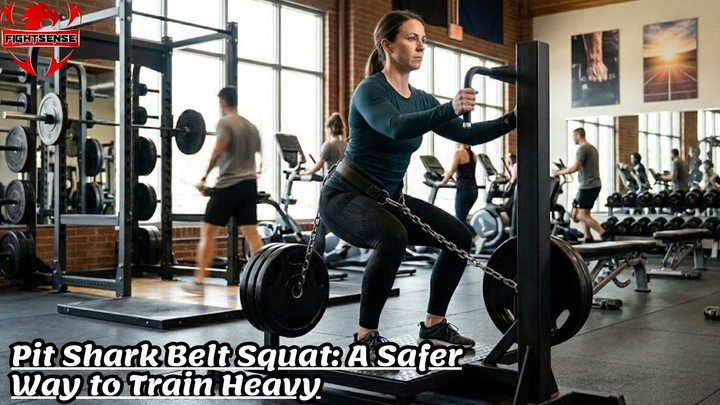
Pit Shark Belt Squat: A Safer Way to Train Heavy
17th Mar 2025
Pit Shark Belt Squat lets you train your legs hard without stressing your spine, making it perfect for safe muscle growth, injury recovery, and improving lower-body strength.
Unlike traditional squats, it transfers the load directly to your legs, reducing back strain and letting you focus on maximizing results. This guide will cover the benefits, proper use, and how to choose your starting weight for optimal gains.
Key Highlights:
-
Pit Shark Belt Squat trains legs with minimal spinal stress.
-
Right starting weight ensures safe, effective progress.
-
Proper form boosts muscle activation and prevents injury.
-
Great for strength, bodybuilding, and recovery.
-
Consistency and gradual load build leg strength safely.
Pit Shark Belt Squat: Safe Heavy Leg Training Without Back Strain:
The Pit Shark Belt Squat is a game-changer for leg training. Unlike traditional barbell squats, it lets you lift heavy without stressing your spine, making it perfect for injury recovery, hypertrophy, and building explosive lower-body strength. In this guide, you’ll learn the benefits, proper use, and how to choose your starting weight for maximum results.
Why the Heavy Leg Squat Machine is a Better Choice:
The Belt Squat offers several advantages that make it ideal for lifters of all levels:
-
Reduces spinal compression: Transfers load directly to the legs, protecting your lower back.
-
Supports deep squats: Allows full range of motion for quads, hamstrings, and glutes.
-
Minimizes back strain: Perfect for athletes recovering from injuries or with lower back issues.
-
Versatile training: Suitable for strength, hypertrophy, and endurance programs.
Recovery Strategies:
Even with a back-friendly squat, recovery is essential:
-
Stretching & mobility: Focus on hip flexors, hamstrings, and glutes post-workout.
-
Foam rolling: Helps reduce muscle tightness and soreness.
-
Proper nutrition: Protein and carbs aid muscle repair and growth.
-
Rest days: Your muscles need time to adapt and strengthen.
How to Choose Your Starting Weight:
Selecting the right weight is key to safe progress:
| Experience Level | Starting Weight Recommendation |
|---|---|
| Beginner | Bodyweight only to master form |
| Intermediate | 40–50% of your back squat |
| Advanced | 70–80% of your barbell squat |
How to Perform a Belt-Loaded Squat Safely
Follow these steps to maximize results while minimizing injury risk:
-
Set Up: Secure the belt around your waist and attach it to the machine. Make sure it sits comfortably on your hips.
-
Stance: Stand with feet shoulder-width apart, toes slightly pointing out.
-
Lower: Bend at the hips and knees, keeping your chest upright, until your thighs are parallel to the floor—or lower if your flexibility allows.
-
Push Up: Press through your heels to return to a standing position. Keep movements controlled and steady.
-
Advanced Tips: Engage your core, track your knees to avoid inward collapse, and gradually increase weight using progressive overload.
Muscle Benefits of Belt-Loaded Squats:
Belt-loaded squats aren’t just safer for the back—they’re also incredibly effective for targeting all major leg muscles. These include:
-
Quadriceps: The main drivers of knee extension. Deep belt squats ensure full quad engagement.
-
Hamstrings: Actively work during the lowering and lifting phases.
-
Glutes: Belt squats allow full hip extension, which maximizes glute activation.
-
Calves & stabilizers: Supporting muscles help maintain balance and proper alignment.
Because the load is transferred directly to your hips, you can lift heavier without worrying about spinal compression. This makes belt-loaded squats perfect for hypertrophy and strength goals, even if you have a history of lower-back issues.
Common Mistakes and How to Avoid Them:
Even with a safer machine, improper form can limit results or cause minor injuries:
-
Leaning forward: Keep your chest upright to protect your spine.
-
Knees caving inward: Track knees over your toes to avoid ligament strain.
-
Rushing reps: Slow, controlled reps increase muscle activation.
-
Using too much weight too soon: Start light and progress gradually.
Train Smarter with the Right Equipment:
Heavy leg training is most effective when paired with reliable gear. Using quality sports and weightlifting equipment helps you maintain proper form, reduce injury risk, and get the most out of every session.
From lifting belts to resistance bands and supportive training apparel, the right tools make a big difference. One brand that provides durable and effective gear for serious lifters is Fightsense.
In Conclusion:
The Pit Shark Belt Squat lets you build strong legs with minimal spinal stress. Perfect for injury recovery or safer heavy training, it’s a must for serious lifters. Start with the right weight and gradually increase to protect joints and maximize gains.
Disclaimer:
This stuff is just useful for educational purposes. Always see a fitness professional before adding new equipment to your exercise regimen.
FAQS:
1. What exactly is a belt-loaded squat?
A belt-loaded squat is a machine-based exercise that allows you to squat heavy without placing stress on your spine, transferring the weight directly to your hips and legs.
2. Who benefits the most from using this type of squat machine?
Beginners, seasoned lifters, and anyone recovering from lower-back injuries can benefit, as it provides safe leg strengthening with minimal spinal strain.
3. How do I determine the right starting weight for a belt-loaded squat?
Start with bodyweight or 40–50% of your regular barbell squat if you’re intermediate. Gradually increase the load while maintaining proper form.
4. Which muscles are primarily engaged during a belt-loaded squat?
This exercise targets the quadriceps, hamstrings, glutes, and core muscles, offering a full lower-body workout with added stability benefits.
5. Can this exercise replace traditional barbell squats entirely?
While it’s safer for your back, belt-loaded squats complement rather than fully replace barbell squats, especially if overall core and upper-body engagement is important.
6. How often should I include belt-loaded squats in my training plan?
You can train 1–2 times per week for heavy strength sessions, or more frequently during recovery phases when limiting spinal stress is a priority.