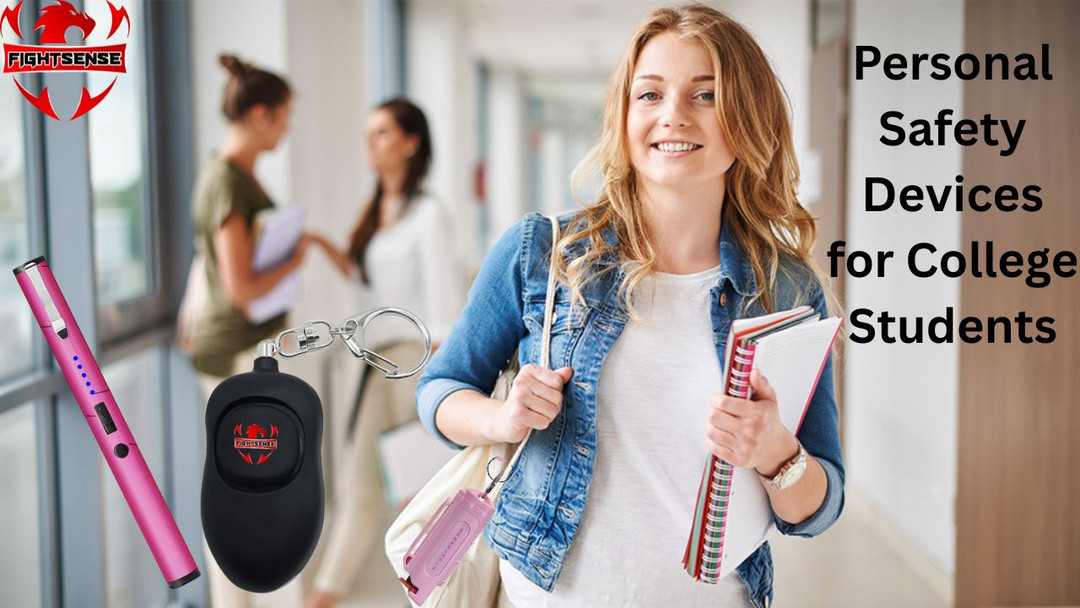
Personal Safety Devices for College Students
Personal Safety Devices for College Students help students stay prepared in dorms, classrooms, parking lots, and public spaces. From personal alarms and pepper spray to safety apps and portable door locks, these tools provide extra protection during unexpected situations and emergencies.
In 2026, campus safety is about more than awareness alone. Carrying the right safety device, following smart safety habits, and using campus security resources together can help students feel more confident and better prepared in their daily lives. This guide explains the best personal safety devices for college students, how to choose the right one, and practical tips for staying safe on and off campus.
Key Takeaways
- Safety devices reduce risk in emergency situations
- Awareness + tools = strongest protection strategy
- Students should carry at least one safety device daily
- Campus services should always be used when available
- Smart safety habits improve survival response time
Campus Safety Tips for College Students
1. Stay Alert in All Environments
Avoid distractions like headphones in isolated or low-light areas. Awareness improves reaction time and prevents risky situations.
2. Always Save Emergency Contacts
Store campus security numbers, local emergency helplines, and trusted contacts in your phone for instant access.
3. Use Campus Safety Resources
Most colleges provide:
- Security escorts
- Shuttle services
- Emergency call stations
? These should always be used when available.
4. Walk Only in Safe Routes
Stick to well-lit, populated paths especially during night travel or off-campus movement.
5. Trust Your Instincts Immediately
If something feels unsafe, leave the area instantly without hesitation.
What Are Personal Safety Devices for College Students?
Personal safety devices for college students are portable tools designed to protect students from threats or emergencies. They include personal alarms, pepper spray, safety whistles, keychain defense tools, and smartphone safety apps. These tools help students create distance, alert others, and call for help quickly during danger.
How to Choose the Right Personal Safety Device for College Students
Many students buy the first safety device they see without considering their daily routine. Choosing the right option depends on where you spend most of your time, campus rules, and how comfortable you are using the device.
| Situation | Recommended Device | Why It Helps |
|---|---|---|
| Walking to evening classes | Personal Alarm | Attracts attention quickly |
| Off-campus commuting | Pepper Spray | Creates time to escape |
| Dorm room security | Portable Door Lock | Adds extra protection |
| Night parking lots | Tactical Flashlight | Improves visibility |
| Everyday campus use | Safety App | Sends instant SOS alerts |
Best Personal Safety Devices for College Students
Personal Alarm Devices
Small devices that emit loud sirens to attract attention and scare away threats instantly. Ideal for walking alone or night travel.
Pepper Spray / Self-Defense Spray
A compact defensive tool that temporarily disables an attacker, allowing time to escape safely.
Smartphone Safety Apps
Apps that:
- Share live location
- Send SOS alerts
- Contact emergency services instantly
Keychain Self-Defense Tools
Discreet, portable tools designed for close-range emergencies.
Portable Door Locks
Extra layer of protection for dorm rooms and shared housing.
Tactical Flashlights
Useful for dark areas and can also disorient potential threats.
Safety Whistles
Simple but effective alert tool for drawing attention quickly.
Comparison: Best Device for Different Situations
- Night walking → Personal Alarm
- Close threat → Pepper Spray
- Dorm safety → Portable Door Lock
- Emergency alert → Smartphone SOS App
What to Do in an Emergency Situation
- Avoid confrontation if possible
- Use safety device immediately
- Move toward crowded or safe area
- Call campus security or emergency services
- Report incident with details
Common Campus Safety Mistakes Students Make
- Walking alone in isolated areas at night
- Not carrying any safety device
- Ignoring campus escort services
- Using headphones in unsafe zones
- Not sharing location with trusted contacts
Layered Safety Strategy
For maximum safety, students should combine:
1. Awareness Layer
Behavioral safety (attention + instincts)
2. Device Layer
Alarms, sprays, apps, tools
3. Support Layer
Friends, campus security, emergency systems
This layered approach significantly reduces risk.
FightSense Campus Safety Solutions
FightSense provides reliable and practical safety tools designed for real-world campus protection. Whether you are walking alone at night or staying in dorms, FightSense devices help you stay prepared.
Compact and easy to carry
Designed for emergency response
Built for student safety needs
Get Campus Protection Devices from FightSense Today
Quick Recap
- Safety devices = faster emergency response
- Awareness is the first line of defense
- Always combine tools + smart habits
- Use campus security services regularly
- Carry at least one safety device daily
Conclusion
Personal Safety Devices for College Students are no longer optional in modern campus life—they are essential tools for survival and confidence. When combined with awareness, smart habits, and campus support systems, they create a strong safety shield for students.
FightSense is committed to helping students stay protected with reliable, real-world safety solutions.
FAQs
1. Which personal safety device is easiest for college students to use?
Personal alarms are among the easiest devices because they require minimal training and can quickly attract attention during an emergency.
2. Should college students carry more than one safety device?
Many students choose to carry a primary safety device, such as a personal alarm, along with a backup option like a flashlight or safety app.
3. How often should personal safety devices be checked?
It's a good practice to inspect alarms, batteries, and other devices at least once a month to ensure they work properly.
4. Can safety devices be used off campus?
Yes. Personal safety devices can be useful while commuting, traveling, shopping, or walking in public places, depending on local laws and regulations.
5. What should students do before relying on a safety device?
Students should learn how to use the device correctly, understand campus policies, and keep it easily accessible instead of buried in a backpack.
6. What should be included in a college student's emergency safety plan?
An emergency plan should include trusted contacts, campus security numbers, safe meeting locations, and knowledge of nearby emergency call stations.