
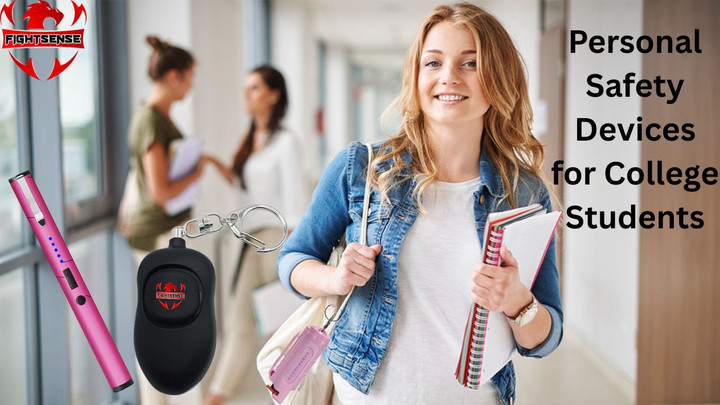
Personal Safety Devices for College Students
26th Jun 2024
Personal Safety Devices for College Students are essential for staying safe on campus. College life is full of learning and social experiences, but safety challenges can arise. Whether you're a freshman or a senior, prioritizing your protection is crucial. Here are practical tips and recommended devices to help you stay secure throughout your college years.
Safety Tips for College Students
Staying safe on campus requires awareness, preparation, and smart habits. Here are some practical strategies:
1. Stay Aware of Your Surroundings
Always be mindful of who and what is around you, especially when walking alone or at night. Awareness allows you to react quickly to potential threats.
2. Make the Call
Program your campus security number (for example, 503.943.7161) into your phone. If you notice suspicious activity, report it immediately. Quick action can prevent incidents.
3. Empower Yourself with Training
Enroll in self-defense courses or programs like Green Dot training. These classes teach practical techniques and boost confidence in handling dangerous situations.
4. Use Campus Resources
Many colleges offer security escorts, shuttles, or emergency call stations. Take advantage of these services to ensure safe travel, especially at night.
5. Walk Smart
Stick to well-lit paths, avoid isolated areas, and carry a whistle or personal safety device. Walking with confidence can deter potential threats.
6. Buddy System
Whenever possible, walk with a friend or group. Safety in numbers reduces the chance of being targeted.
7. Trust Your Instincts
If a situation feels unsafe, leave immediately. Your intuition is a powerful tool for avoiding danger.
8. Secure Your Living Space
Lock doors and windows in your dorm or off-campus housing. Small steps like this prevent unauthorized entry and theft.
9. Limit Alcohol and Practice Cyber Safety
Excessive drinking can impair judgment. Stay mindful online by protecting personal information and using strong, unique passwords.
10. Know Emergency Procedures
Familiarize yourself with campus emergency contacts, fire escape routes, and safety protocols. Quick knowledge saves lives.
Best Personal Safety Devices for College Students
Having the right safety devices can significantly enhance your personal protection. Here’s a list of essential tools:
- Personal Alarms – Compact devices that emit a loud sound to attract attention and scare off attackers.
- Pepper Spray or Mace – Legal in many areas, these temporarily disable attackers, giving you time to escape.
- Safety Whistle – Alerts others if you’re in danger or need assistance.
- Smartphone Safety Apps – Quickly contact emergency services and share your location with trusted contacts.
- Portable Door Locks – Add extra security to dorm room doors or shared accommodations.
- Flashlight – Helps illuminate dark areas and deter potential threats.
- Keychain Self-Defense Tools – Tactical pens, small knives, or stun gun safety keychains provide discreet self-defense.
- GPS Trackers – Track personal belongings or your location in emergencies.
- Personal Safety Wearables – Smart jewelry or accessories with built-in alert functions.
- Door Stop Alarms – Portable alarms that sound if a door is opened unexpectedly.
What to Do If Attacked
- Trust your instincts but avoid unnecessary confrontation.
- Cooperate if a weapon is displayed and prioritize escape.
- Use self-defense devices like pepper spray, personal alarms, or stun gun safety keychains.
- Take note of the attacker’s details and report immediately to campus security or local authorities.
- Practice using devices safely to prevent accidental injury.
FAQs
1. What is the most effective personal safety device for students?
Compact alarms and stun gun safety keychains are highly effective because they are easy to carry and can quickly alert others or deter attackers.
2. Can I legally carry pepper spray on campus?
Many campuses allow pepper spray, but laws vary by state and college. Always check campus regulations before carrying it.
3. Are smartphone safety apps reliable?
Yes, many apps can alert trusted contacts, call emergency services, and share your live location—helping you get quick assistance.
4. How often should I practice self-defense?
Regular practice, even once a month, helps maintain confidence and muscle memory, so you can respond effectively in emergencies.
5. How can I combine devices and habits for maximum safety?
Use a layered approach: stay aware, walk in groups, secure your space, and carry devices like alarms, whistles, or keychain tools for multiple levels of protection.
Conclusion
Ensuring personal safety on campus requires preparation, vigilance, and smart use of resources. Personal Safety Devices for College Students, combined with awareness, self-defense training, and campus support services, empower students to protect themselves effectively.
By integrating these tips and devices into daily routines, you can create a safer, more secure college experience and enjoy peace of mind throughout your academic journey.