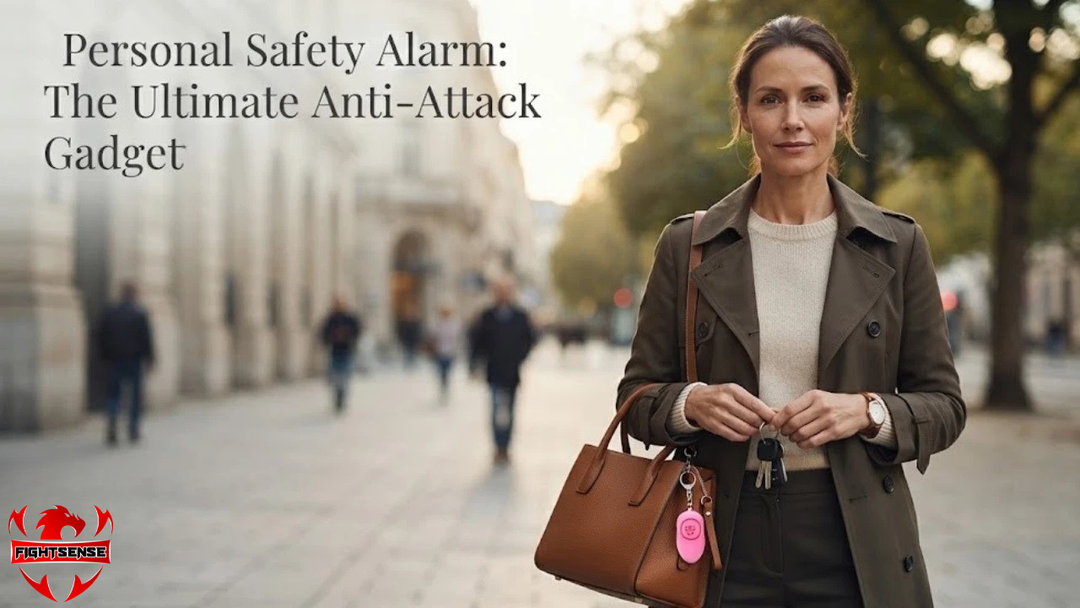
Personal Safety Alarm: The Ultimate Anti-Attack Gadget
Staying safe while walking your dog at night, jogging through the neighborhood, or commuting late from work shouldn't feel like a high-stakes gamble. Traditional self-defense tools can feel intimidating, heavy, or legally complicated to carry. Enter the personal safety alarm—a compact, non-violent, and incredibly loud device designed to instantly shift the element of surprise away from an attacker and back onto you. Whether you are a student navigating a busy campus, a parent prioritizing child safety, or an older adult looking for fall-prevention tools, understanding how these devices work is a game-changer for daily peace of mind.
What is a Personal Safety Alarm?
A personal safety alarm is a small handheld electronic device that, when activated, emits a high-decibel siren. A safety alarm relies just on sound to scare off an attacker and attract prompt attention, unlike pepper spray or a stun gun that require you to be close to or physically face an assailant.
When activated by a pull-pin or button, these pocket-sized devices emit a shriek so piercing that it can disorient an attacker, alert surrounding passersby, and prompt rescue from hundreds of feet away. As they don't require any athletic training to operate, they have swiftly become a must-have everyday carry (EDC) item for people of all ages.
Top Features to Look For in a Quality Safety Alarm
Not all safety alarms are the same. When buying reliable gear from trusted brands like FightSense, be sure it has these non-negotiable features:
- High-Decibel Siren: Look for devices that reach up to 130 dB. This high-decibel output instantly discourages attackers and cuts through ambient city noise.
- Compact and Lightweight Design: A good alarm should easily fasten to belts, keys, or purses without weighing you down.
- Built-In LED Flashlight: Added nighttime emergency visibility is crucial if you find yourself walking in poorly lit parking lots or unlit pathways.
- Reusable and Replaceable Batteries: Long-lasting use with simple battery replacement ensures your device is always ready when you need it.
- Instantaneous Activation: Pull-pin or button systems provide easy, panic-proof activation the split-second an emergency arises.
Everyday Uses: Who Needs a Personal Safety Alarm?
A safety alarm can be used for purposes other than simple self-defense. Here’s how different people work them into their day-to-day lives:
Personal Safety on Runs, Trikes, or Walks
The early morning jogger and the nighttime stroll face some very specific visibility and security issues. Attach a small alarm to your running belt or armband to give you immediate protection from stray animals or violent people.
Alerts for Emergencies and Accidents
These devices can be important for preserving your life in a medical emergency or a fall where you may be too weak or disoriented to call for help, in addition to deterring crime.
Defensive Behavior for Late-Night Commuters
Professionals and students rushing late from night shifts, classes, or transit stops get an instant psychological and aural advantage of having a loud woman's siren easily available in their palm or pocketbook.
Child Safety for School Bags
Parents frequently attach colorful, easy-to-use alarms to children's school backpacks or belt loops, offering kids an easy method to seek attention if they should ever become lost or feel dangerous.
Senior Help for Quick Health and Fall Alerts
Such alarms can be worn or carried around the house or yard by older persons to quickly notify others of health issues or fall prevention without the hassle of a smartphone.
FightSense Safety Alarms vs. Traditional Self-Defense Tools
|
Feature |
FightSense Personal Safety Alarm |
Pepper Spray |
Stun Guns |
|
Primary Mechanism |
130 dB Acoustic Siren & LED Light |
Chemical Irritant Spray |
High-Voltage Electrical Stun |
|
Physical Contact Required |
No (Remote deterrent via sound) |
Yes (Requires close range) |
Yes (Direct contact needed) |
|
Legal Restrictions |
Legal almost everywhere with no permits |
Regulated in certain states/countries |
Heavily restricted or banned in many regions |
|
Accidental Discharge Risk |
Low (Requires deliberate pin pull) |
Moderate |
Moderate (Requires safety switches) |
|
Target Audience |
Everyone (Kids, seniors, runners, students) |
Adults only |
Adults only |
Expert Tips for Maximum Personal Security
- Make It Easy to Use: Don’t put your safety alarm in the bottom of a deep pack. Clip it to an outside strap, lanyard, or pocket of your dominant hand so you can grab it immediately.
- Test the Battery Monthly: Every month, do a fast test activation for 1 second to check the battery and siren are working at full volume.
- Pair with Situational Awareness: Gadgets do help improve your security, but not being on your phone and keeping your head up while strolling in unfamiliar regions is still your first line of protection.
- Teach Your Family: If you buy alarms for toddlers or elderly family members, make a quick practice run so they know exactly how to pull the pin in a stressful moment.
Common Mistakes People Make with Safety Alarms
- Choosing Low-Decibel Cheap Toys: Buying generic, dirt-cheap alarms that sound more like a bike horn than a 130 dB siren would not dissuade a determined intruder.
- Ignoring Maintenance: Not replacing outdated batteries and being caught with dead equipment when an emergency occurs.
- Stashing It Out of Reach: Putting the alarm in a compartment, zipped up, negates the value of fast, panic-free deployment.
- Over-Reliance on Equipment: If you’re 100% dependent on equipment and don’t follow fundamental safety practices, including strolling in well-lit places, you raise your chances of being victimized.
FAQs:
How loud is a 130 dB personal safety alarm?
A 130 dB siren is equal to a military jet taking off or a powerful ambulance siren at close range." It’s uncomfortably loud to human ears, designed to disorient immediately and attract mass attention.
Can a safety alert actually deter an attacker?
Yes. Attackers depend on secrecy, isolation, and surprise. That obscurity is shattered by a sudden, deafening blast of 130 dB that panics the aggressor and informs everybody within a block radius. Most attackers run away quickly.
Is it allowed to carry a loud emergency siren everywhere?
Electronic acoustic alarms are lawful to carry anywhere; however, pepper spray or stun guns have strict state and international shipping and carry rules and cannot be taken into schools, on aircraft, or on public transit.
How can I set the alarm in an emergency?
Most of the devices, including variations of FightSense, use a simple lanyard pull-pin or fast-click button design. The alarm sounds immediately when the pin is pulled, or the button is pushed.
Are there specific training requirements for these alarms?
No, not at all. They are designed to be intuitive and panic-proof to use. The alarm can be activated by anyone who can pull a keychain or push a button – a kid, a senior, or a student.
Is an emergency noisemaker safe for children?
Okay. Many parents put them on school backpacks. They offer an additional layer of security for children walking to school or playing in public parks.
What is the life of the batteries?
Replaceable or reusable batteries last from a few months to a year depending on consumption and standby duration. Always follow the manufacturer’s instructions and test monthly.
Will the sound hurt my own ears?
It’s very loud, but you can keep it away from your head when you turn it on, so it’s not too painful. The sound is directed enough to radiate out toward a threat.
Conclusion:
Making the decision to invest in your personal security is one of the most empowering decisions you can make. A solid personal safety alarm closes the distance between vulnerability and peace of mind, providing non-violent, extremely effective security for your regular runs, commuting, and family trips. Get your trusted FightSense gear today and walk with total confidence knowing you have the attention of everyone instantly in the palm of your hand.
Disclaimer:
This blog post is for informational purposes only. Always consult with a professional for personalized safety advice and product recommendations