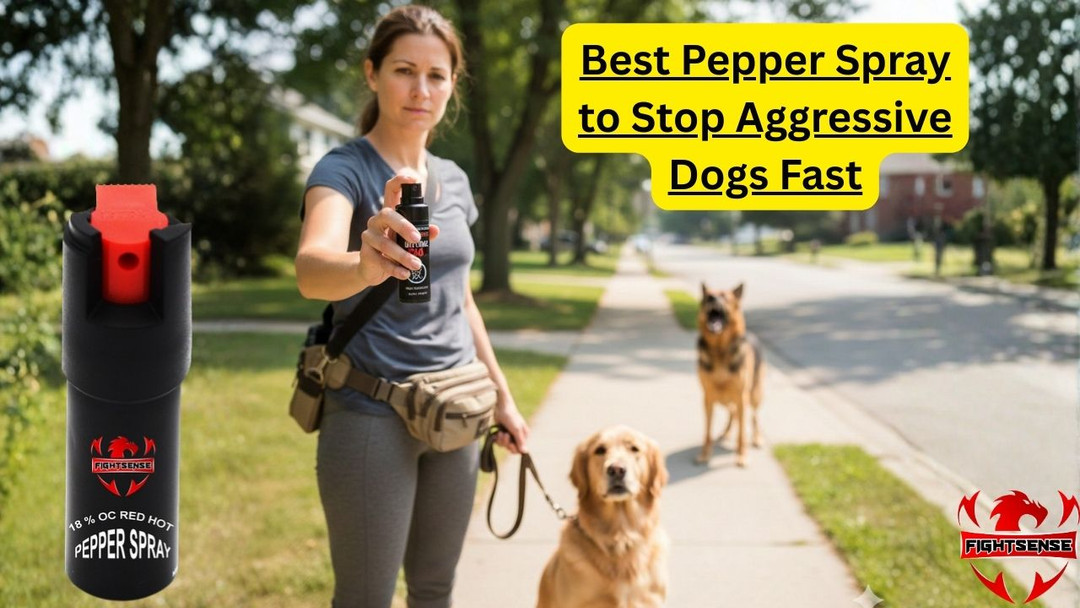
Best Pepper Spray to Stop Aggressive Dogs Fast
Pepper spray is a practical tool for personal safety, offering effective protection against aggressive dogs while ensuring no lasting harm. With the growing awareness of humane deterrent methods, pepper spray has become a go-to choice for outdoor enthusiasts, joggers, and pet owners.
This guide delves into the essentials of selecting the right pepper spray for dog deterrence, its proper storage and handling, a step-by-step usage guide, and the aftermath protocols to ensure safety for both users and animals.
Keynotes
-
Dog-specific pepper spray is a humane and effective way to deter aggressive dogs
-
The best dog pepper spray causes temporary discomfort without long-term harm
-
Pepper spray for aggressive dogs works best in gel form, especially in windy conditions
-
A pepper spray dog deterrent should be used from a safe distance, aiming carefully
-
After use, clean the affected area properly and seek medical help if symptoms persist
Choosing the Right Pepper Spray for Dogs
Selecting a suitable pepper spray involves assessing its formulation, design, and reliability. Here's a detailed breakdown:
Formulation and Effectiveness
- Opt for sprays specifically designed for use on animals. These products are formulated to provide temporary discomfort without causing long-term harm.
- In windy conditions, consider using gel-based sprays that reduce the risk of blowback, ensuring effective deployment.
- Look for sprays with sufficient range, typically 10 to 15 feet, allowing you to maintain a safe distance from the dog.
Design Features for Convenience and Safety
- Safety mechanisms, such as flip-top caps, prevent accidental discharge. Finger-grip designs enhance targeting accuracy.
- Compact designs with keychain attachments or belt clips ensure quick access in emergencies.
- Adjustable hand straps or holsters offer versatile carrying options for joggers, bikers, or pet walkers.
Reputation and Reliability
- Choose products that meet safety standards and have a proven track record. Check for customer reviews and feedback to gauge reliability.
- Pay attention to shelf life, usually 2-4 years. Regularly check expiration dates to ensure effectiveness when needed.
How to Safely Carry and Store Pepper Spray
Proper handling and storage maximize the effectiveness of pepper spray while minimizing risks.
Storage Guidelines
- Store in a cool, dry place away from direct sunlight or extreme temperatures. Heat can degrade the spray’s effectiveness.
- Keep the spray out of reach of children and pets to prevent accidental exposure.
Carrying Practices
- Ensure the spray is easily accessible but stored securely to avoid accidental activation.
- Regularly inspect the canister for damage and test its functionality every few months.
Legal Considerations
- Pepper spray is legal for individuals 18 years or older across all 50 states. However, it should only be used responsibly and when necessary.
Step-by-Step Guide to Using Pepper Spray on an Aggressive Dog
If confronted by an aggressive dog, follow these steps for safe and effective deterrence:
- Assess the Situation
- Stay calm and maintain a safe distance. Be mindful of wind direction to avoid back spray.
- Prepare the Spray
- Hold the spray in your weaker hand, leaving your dominant hand free for additional defense.
- Aim towards the dog, starting with a 1-2 second spray. If the dog persists, target its face or mouth.
- Retreat to Safety
- Slowly back away while keeping the dog in view. Avoid sudden movements that may provoke further aggression.
- Use the spray’s range to maintain distance and give yourself time to escape.
Aftermath: Cleaning and First Aid
Proper decontamination ensures safety and minimizes discomfort following pepper spray use.
Immediate Actions
- Move to a well-ventilated area. Remove contaminated clothing carefully.
- Avoid touching your face or other sensitive areas during cleanup.
Decontamination Procedures
- Eyes: Flush with room-temperature water or saline solution for 10-15 minutes.
- Skin: Wash thoroughly with mild soap and water. Use diluted dishwashing detergent for sensitive areas.
- Nose: Perform nasal irrigation with saline to relieve irritation.
When to Seek Medical Help
- Persistent symptoms like breathing difficulties, chest pain, or severe eye discomfort require immediate medical attention.
Conclusion
Pepper spray serves as a vital tool for self-defense against aggressive dogs, balancing effectiveness with humane considerations. By selecting the right product, adhering to proper handling and storage practices, and following a methodical approach to usage, you can ensure your safety in a compassionate manner.
FAQs
1. What type of pepper spray works best for aggressive dogs?
A dog deterrent spray designed for animal encounters can provide a practical way to create distance from an aggressive dog. Look for a reliable canister with a secure safety mechanism, adequate range, and a spray pattern that suits outdoor use.
2. How far away should you be from an aggressive dog before using pepper spray?
Maintain as much distance as possible and follow the product’s stated spray range. Creating space gives you more time to respond while reducing the risk of accidental exposure or close contact with the animal.
3. Is pepper gel better than spray for protecting yourself from dogs?
Pepper gel can be useful in windy outdoor conditions because its thicker formulation may reduce airborne drift and blowback. The appropriate option depends on the environment, product design, and the user’s ability to handle it safely.
4. What features should I look for in a dog deterrent spray?
Important features include a safety lock or flip-top, comfortable finger grip, suitable range, compact size, secure carrying option, and a clearly marked expiration date. These features can make a defensive spray easier to access and handle responsibly.
5. Can you carry dog repellent spray while walking or jogging?
A compact animal deterrent can be convenient for activities such as walking, jogging, hiking, and cycling when local laws and product restrictions allow it. Keep it accessible without placing it where it could accidentally discharge.
6. What should you do after using pepper spray on a dog?
Once the dog has moved away, create additional distance and leave the area safely. Avoid approaching the animal afterward, and if you or another person experiences significant or persistent exposure symptoms, move to fresh air and seek appropriate medical assistance.
7. How can you prevent accidental pepper spray exposure around pets?
Keep the canister secured when it is not needed, avoid testing it near animals, and store it away from children and pets. Check the safety mechanism and canister condition regularly to reduce the chance of unintended discharge.
8. How long does dog pepper spray remain effective?
Pepper spray has a limited shelf life, which varies by product and manufacturer. Check the expiration date printed on the canister and replace an expired or damaged unit rather than relying on it for emergency protection.