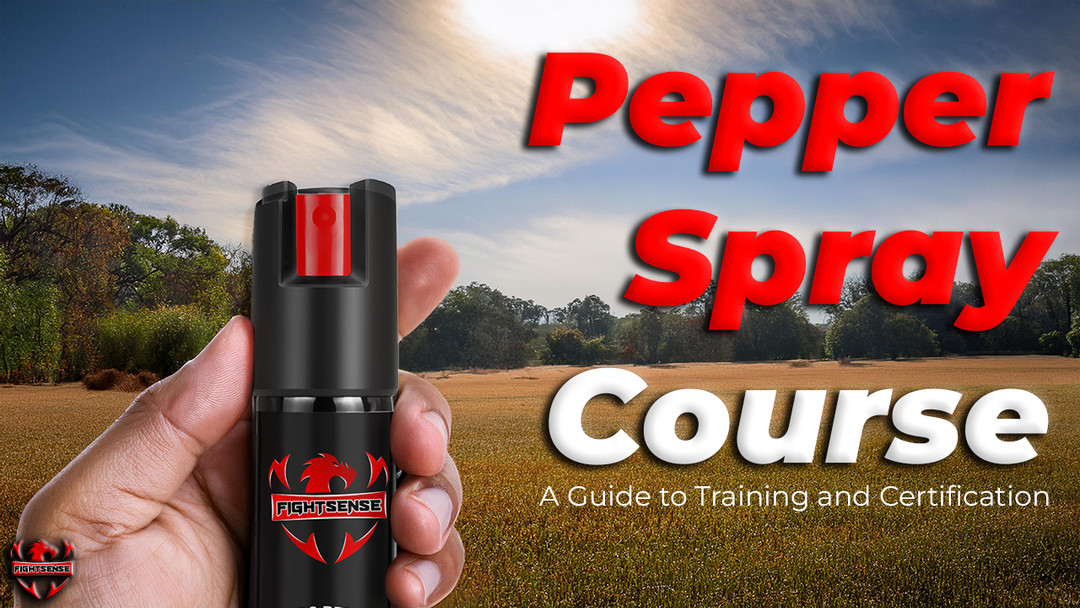
Pepper Spray Course: A Guide to Training and Certification
Pepper spray is one of the most trusted self-defense tools available today, but owning one is only half the equation. A pepper spray course teaches you how to carry, deploy, and use it safely, legally, and effectively — so you can protect yourself with total confidence.
Whether you are buying your first canister or refreshing old skills, the right training turns a simple tool into real peace of mind. This guide walks you through what these programs cover, who should enroll, and how to pick the training that fits your life.
Keynotes
- Hands-on training builds the skills to handle pepper spray safely and within the law.
- Good programs cover grip, aiming, deployment, legal limits, and decontamination.
- Certification adds credibility for security staff and everyday carriers alike.
- The right class matches your experience level, schedule, and local regulations.
What Is a Pepper Spray Course?
A pepper spray course is a short, practical training program that teaches everyday people how to use defensive spray with skill and good judgment. Instead of just reading the label, you learn stance, grip, aiming, and spray patterns through guided practice.
Most sessions also explain the legal side — where you can carry, when force is justified, and how to talk to officers after an incident. You will leave knowing not only how the canister works, but when reaching for it is the right call.
Why Proper Training Matters More Than the Canister
A canister on your keychain only helps if you can deploy it under stress. Training builds muscle memory, so your hands know what to do when adrenaline spikes and fine motor skills fade. That calm, practiced response is what separates a tool from a true safety plan.
Completing a pepper spray course also teaches you restraint — how to assess a threat, create distance, and use spray only when it is warranted. Instructors drill de-escalation first, so force stays a last resort rather than a first reaction.
There is a legal layer too. Rules on size, strength, and carry locations change from state to state, and ignorance is no defense. A solid program spells out your local limits so you stay protected without crossing a line. For background on the science, read how oleoresin capsicum affects attackers.
What You Will Learn in a Pepper Spray Course
Grip, Stance, and Aiming Basics
You will start with the fundamentals: how to hold the canister, how to stand for balance, and how to aim for the eyes, nose, and mouth. Small adjustments in wrist angle make a big difference in accuracy, and instructors correct your form in real time.
Deployment Drills Under Pressure
Next come timed drills that simulate real confrontations — drawing from a pocket or purse, flipping the safety, and spraying in short bursts. Repeating these movements until they feel automatic is the heart of the training. Pair your practice with proper spraying technique to lock in good habits at home.
How Long Does a Pepper Spray Course Take?
Most in-person classes run two to four hours, while online modules can be finished in about an hour. Either format covers the essentials, but hands-on practice with inert training canisters gives you confidence no video can match.
Who Should Sign Up for Training?
Short answer: anyone who carries or plans to carry defensive spray. College students crossing campus at night, joggers on quiet trails, delivery drivers, and late-shift workers all benefit from structured practice — and these safety tips for women pair well with classroom lessons.
Security guards, bouncers, and property managers often need documented training for the job. For them, certification is not just helpful — it is a professional requirement that shows employers and clients they take safety seriously. A complete self-defense guide can round out what the class starts.
Even experienced carriers pick up something new. Laws change, products improve, and skills fade without use, so a refresher every year or two keeps you sharp.
Choosing the Right Program for You
When comparing each pepper spray course, look past the price tag and check the curriculum. A worthwhile class covers live practice, legal education, and aftercare — not just a lecture and a certificate.
Ask who teaches it. Instructors with law enforcement or security backgrounds bring real-world stories that make the lessons stick, and small class sizes mean more personal feedback on your technique.
Consider format too. In-person training lets you handle inert practice spray and get corrected on the spot, while online lessons fit tight schedules. Many students start online and finish with a hands-on workshop for the best of both.
The best pepper spray course for you balances solid instruction with gear you will actually carry. A compact option like this best-selling pepper spray keychain disappears onto a key ring, while the mini keychain spray slips into any pocket or purse.
Gear Up: Picking Spray You Will Actually Carry
Training matters most, but the canister you choose matters too. Look for a model with a reliable safety lock, a strong spray pattern, and a size you will carry every day. Many students prefer a police-grade formula for proven stopping power in a compact canister.
Style counts when it keeps you consistent. A stylish rhinestone keychain model turns a safety tool into an accessory you will never leave behind, and a quick-release clip keeps it within instant reach.
Whatever you pick, practice with it. An inert trainer lets you rehearse draws and sprays safely, and reviewing everyday safety tips keeps the lessons fresh between sessions.
Make Your Pepper Spray Training Count With FightSense Gear Built for Everyday Protectors
Training gives you the skills — now carry the tools to match. FightSense designs compact, dependable self-defense gear that fits real life, from quick-release keychains to discreet everyday models. When seconds matter, you deserve equipment that works as hard as you trained. Explore the collection at FightSense and carry every day with total confidence.
Your safety can't wait — stay one step ahead with FightSense today.
Get Now!Conclusion
If you have been putting off a pepper spray course, consider this your nudge. A few hours of guided practice give you the accuracy, legal knowledge, and calm mindset to handle real confrontations — and the confidence that comes with being prepared is priceless.
FAQs
Do I need a license to carry pepper spray?
In most U.S. states, adults can buy and carry pepper spray without a license, but a few states restrict size, strength, or online purchases. Always check your state and local rules before you buy or travel with it.
Is pepper spray effective against an attacker?
Yes. The oleoresin capsicum formula causes intense burning in the eyes, nose, and throat, forcing most attackers to back off. It typically takes effect within seconds and gives you time to escape and call for help.
How long does pepper spray last on the shelf?
Most canisters stay potent for two to four years from the manufacture date. Check the expiration printed on the label and replace yours on time, since an expired unit may spray weakly or fail.
Can I practice with real pepper spray?
No — never practice with a live canister. Use an inert training spray filled with water, which lets you rehearse grip, aim, and deployment safely without any burning formula.
What should I do after using pepper spray in self-defense?
Leave the area immediately, call emergency services, and report what happened. Avoid touching your face, blink rapidly to ease irritation, and give police a clear account while details are fresh.
Does pepper spray work on animals?
Standard defensive spray can deter aggressive dogs and wildlife, though dedicated animal-deterrent formulas exist. Check local regulations, since some areas restrict which formulas you may carry on trails.
Where is the best place to carry pepper spray?
Keep it where your hand naturally falls — a keychain, belt clip, or outer pocket. Avoid burying it in a bag, because fast access matters more than concealment in an emergency.
How often should I refresh my training?
Aim for a refresher every one to two years. Skills fade, products change, and laws get updated, so periodic practice keeps your reactions sharp and your knowledge current.