
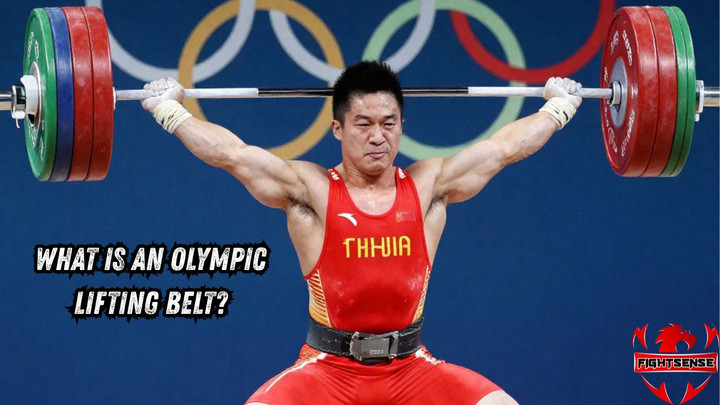
What is an Olympic Lifting Belt?
10th Mar 2025
An Olympic Lifting Belt is essential for providing support and stability during heavy lifting and strength training. In this guide, we’ll explain what an Olympic Belt is, its benefits, and key considerations, helping you understand how it can improve performance and protect your back during intense workouts.
Key Points:
-
Support & Stability – An Olympic Lifting Belt protects your core during heavy lifts.
-
Comfort & Fit – Snug but breathable for maximum performance.
-
Material & Durability – Made to last with proper care.
-
Price vs Performance – Balances cost and quality effectively.
-
Overall Value – Worth the investment for serious lifters.
Olympic Lifting Belt Explained: Support, Fit & Performance:
An Olympic Lifting Belt is a supportive tool designed to stabilize your core and lower back during heavy lifts like squats, deadlifts, and clean-and-jerks.
By increasing intra-abdominal pressure, it helps protect your spine, maintain proper posture, and improve lifting technique. These belts are commonly used by weightlifters, powerlifters, and strength athletes who perform high-intensity lifts.
Benefits:
-
Enhanced Core Stability: Helps maintain proper posture and reduces the risk of lower-back injuries.
-
Improved Lifting Performance: Provides extra support, allowing you to safely lift heavier weights.
-
Durable Construction: Made from thick leather or PU, these belts can withstand years of heavy lifting.
-
Widely Available: Standard designs make it easy to find the right size and style for your training needs.
Drawbacks to Consider:
-
Can be stiff and less comfortable, especially during initial use.
-
Requires a break-in period to soften and conform to your body.
-
Not ideal for dynamic movements or MMA-style training.
History of Lifting Belts:
Weightlifting belts have been used for decades. They originally started as simple leather straps to help lifters safely handle heavy barbells. Over time, designs evolved to provide both support and comfort, becoming an essential piece of equipment for competitive Olympic weightlifting and powerlifting.
How It Works:
The belt works by tightening around your waist, which increases intra-abdominal pressure. This pressure acts like an internal brace for the spine, reducing stress on the lower back and helping maintain proper posture during heavy lifts. It’s especially useful for exercises such as squats, deadlifts, and clean-and-jerks.
Types of Lifting Belts:
-
Prong Belts: Traditional buckle system with single or double prongs; adjustable and secure.
-
Lever Belts: Quick-release lever mechanism, allowing fast adjustments; popular in modern training.
-
Velcro Belts: Lightweight and flexible, ideal for beginners or lighter lifts, though less rigid for heavy loads.
Choosing the Right Size:
To get the most benefit from your belt:
-
Measure your waist at the belly button level.
-
The belt should be snug but not overly tight—tight enough to provide support but loose enough to breathe comfortably.
-
Standard widths are usually 4 inches, providing a balance between support and mobility.
When to Use a Lifting Belt:
An Olympic Lifting Belt is most effective during:
-
Heavy lifts such as squats, deadlifts, and overhead presses.
-
Attempts at personal records or maximum effort lifts.
-
Situations where protecting your lower back is critical.
For lighter exercises or high-repetition training, a belt may not be necessary.
Maintenance Tips:
-
Leather belts should be conditioned occasionally to prevent cracking.
-
Keep your belt dry and clean; avoid storing it in damp areas or gym bags.
-
With proper care, a high-quality belt can last for many years.
Common Mistakes:
-
Wearing the belt too loosely or in the wrong position.
-
Relying solely on the belt for core strength instead of developing natural stability.
-
Using the belt for all exercises, even when it’s not needed.
Choosing the Right Belt for Your Training:
While traditional lifting belts provide excellent support, modern brands like FightSense offer versatile solutions for athletes. Their belts are designed not only for weightlifting and strength training but also for MMA, functional fitness, and other dynamic sports.
In addition to catering to individual athletes, FightSense provides wholesale options, making it easy for gyms, training centers, and retailers to stock high-quality, durable belts. This combination of performance, flexibility, and accessibility makes FightSense a strong choice for both personal use and professional setups.
Conclusion:
Both belts have their strengths. For traditional weightlifting, an Olympic Lifting Belt offers maximum support and stability. For athletes who value comfort and versatility, lever-style belts are a great option. Choose the belt that best matches your training style and goals to boost performance and safety.
Note:
This article is for educational purposes only. Consult a fitness professional before starting any new training or using fitness equipment.
FAQs:
1. What is the main purpose of an Olympic Lifting Belt?
An Olympic Lifting Belt helps stabilize your core and lower back during heavy lifts, reducing the risk of injury and improving lifting performance.
2. How do I pick the correct size for a lifting belt?
Measure your waist around the belly button and consult the belt’s sizing chart. A properly fitted support belt provides stability without restricting breathing or movement.
3. Do lifting belts need a break-in period?
Yes, traditional leather support belts usually require a few weeks of use to soften and mold to your body shape.
4. Can a lifting belt be used for dynamic training?
While support belts are excellent for heavy, static lifts, they are less flexible for high-movement workouts like CrossFit or MMA-style training.
5. Are lifting belts suitable for beginners?
Absolutely. Beginners can use a support belt safely, but it’s important to learn proper form and gradually increase weight while wearing it for extra stability.