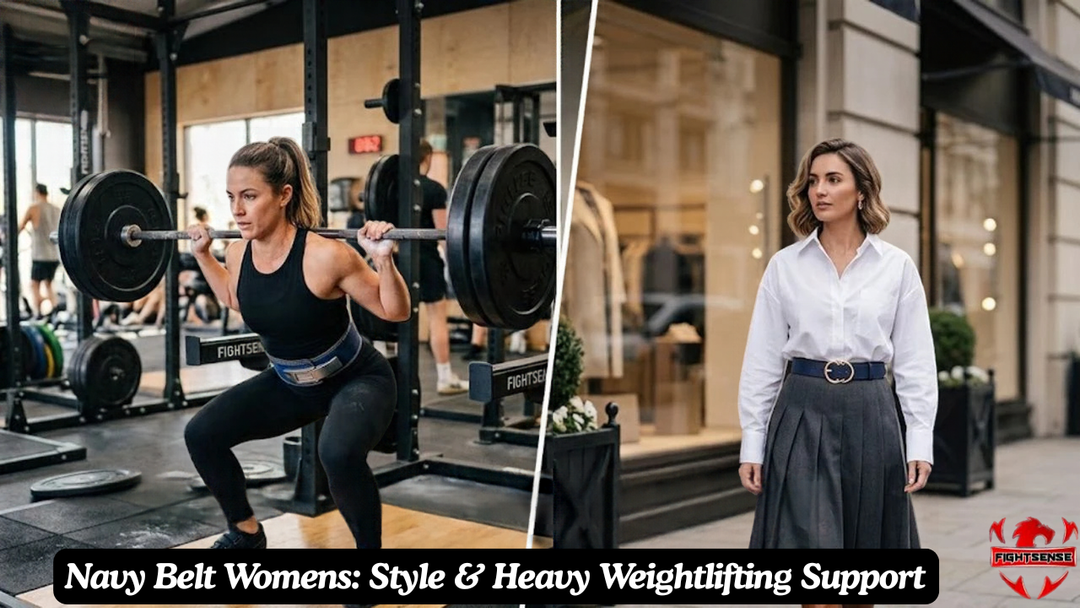
Navy Belt Womens: Style & Heavy Weightlifting Support
The navy belt womens trend is reshaping activewear style and heavy gym gear. For years, female lifters faced a choice between plain black straps or weak accessories offering zero back support. Today, navy blue offers a sleek aesthetic that effortlessly matches gym outfits while ensuring rock-solid core stability during heavy sets.
Whether you're squatting heavy or upgrading your workout attire, pairing style with real spinal protection is vital. Here is why navy gym styling is trending, how casual belts differ from lifting belts, and how proper gear protects your spine.
Why the Navy Belt Womens Trend is Dominating Activewear
Navy blue is versatile, sophisticated, and vastly more forgiving against dirt and wear than light pastel colors. In strength conditioning, aesthetics matter because confidence directly impacts mind-muscle connection. Wearing gear and outfits that feel custom-tailored to your personal style boosts your mindset before a heavy set.
- Timeless Neutral: Navy complements almost every activewear palette, including grey, white, crimson, and black.
- Low Maintenance: Unlike pink or beige gear, navy blue hides chalk dust, sweat marks, and turf scuffs.
- Professional Appeal: It delivers a clean, athletic edge without looking overly aggressive.
Fashion Belts vs. Heavy-Duty Gym Belts: The Critical Difference
A common mistake among beginners is assuming any wide waist belt can serve as workout support. Standard dress or casual belts are built strictly to hold garments in place; they lack the structural integrity required for heavy spinal loading.
|
Feature |
Fashion Navy Belt |
Gym Weightlifting Belt |
|
Purpose |
Style & Fitting |
Back Safety & Core Support |
|
Thickness |
1–2mm (Soft) |
7–10mm (Rigid) |
|
Width |
1–1.5 inches |
Uniform 4 inches |
|
Buckle |
Normal pin |
Heavy steel lever/prong |
|
Support |
None |
High (Handles 300+ lbs) |
FightSense: Premium Weightlifting & Lever Belts for Maximum Core Support
When upgrading from basic gym accessories to serious strength training, choosing a high-performance lifting belt is essential. While your activewear ensemble—like a stylish navy belt womens aesthetic or navy leggings—sets the tone for your gym look, FightSense provides the raw structural power you need under heavy loads.
As a trusted fitness brand specializing in professional weightlifting accessories, FightSense engineers high-grade Lever Belts and Weightlifting Belts built for maximum lumbar stabilization. Rather than offering flimsy fashion accessories, FightSense focuses strictly on heavy-duty performance:
- Uncompromising Core Pressure: Designed with rigid, premium materials (7mm to 10mm thickness) to maximize intra-abdominal pressure during deep squats and heavy deadlifts.
- Precision Lever Mechanisms: Featuring heavy-duty steel lever locks that allow lifters to lock in and release instantly between sets.
- Seamless Outfit Pairing: FightSense weightlifting and lever belts feature sleek, professional finishes that pair effortlessly with any gym outfit—giving female lifters the ultimate combination of top-tier back protection and clean gym aesthetics.
Key Features of a High-Performance Weightlifting Belt
When shopping for a female-focused strength belt, specific technical features guarantee both comfort and injury prevention:
- Uniform 4-Inch Width: Provides equal surface area for your abdominal wall to push against without digging painfully into your ribs or hip bones.
- Heavy-Duty Locking System: Steel lever mechanisms or dual-prong buckles ensure the belt never slips mid-lift.
- Reinforced Double Stitching: Prevents edge fraying and structural warping over years of heavy use.
- Suede Interior: Keeps the belt locked onto your waist without sliding up during dynamic movements.
Leather vs. Nylon: Which Lifting Belt Fits Your Training?
Choosing between leather and nylon depends entirely on your training style and lifting goals.
Leather & Lever Belts
- Best For: Heavy Powerlifting, Maximal Squats, Deadlifts.
- Benefits: Provides maximum rigidity, creating an unyielding wall for abdominal bracing.
- Drawback: Requires a brief break-in period.
Nylon Quick-Lock Belts
- Best For: CrossFit, Functional Fitness, Olympic Weightlifting, Bodybuilding.
- Benefits: Flexible, lightweight, and easy to loosen quickly between exercise transitions.
- Drawback: Offers slightly less absolute rigidity compared to 10mm solid leather.
How to Measure and Fit Your Lifting Belt Correctly
Do not use your pant size to buy a lifting belt! Pant sizes rely on hip placement, whereas a workout belt sits around your belly button.
- Locate Your Navel: Stand upright and wrap a flexible measuring tape around your natural waistline across your belly button.
- Pull Taut (Do Not Suck In): Keep your abdomen relaxed or slightly braced, as you would before a lift.
- Check the Size Chart: Match your exact inch measurement against the manufacturer's chart. If you fall between sizes, size down for lever belts.
Pros & Cons of Heavy-Duty Gym Belts
Pros:
- Provides vital lumbar stability to reduce injury risks during heavy compound lifts.
- Helps lifters move heavier weights by increasing intra-abdominal pressure.
- Sleek designs pair well with all activewear styles, including navy gym apparel.
- Built from durable leather or heavy nylon that lasts for years.
Cons:
- Premium leather lever belts require a brief break-in period.
- Higher price tag than basic fashion belts, but essential for safety.
Common Mistakes Female Lifters Make
- Wearing the Belt Too Low: Resting the belt on the hips like pants negates core bracing. It must cover the lower back and stomach fully.
- Cranking It Too Tight: The belt is not a corset. You need enough room to expand your belly against the wall of the belt when breathing in.
- Relying on the Belt for Every Exercise: Use your belt primarily for heavy compound movements (75%+ of your 1RM). Train light warm-ups without it to build natural core strength.
Expert Tips to Maximize Core Intra-Abdominal Pressure
- Master the Valsalva Maneuver: Take a deep 360-degree breath into your diaphragm, pushing your stomach outward against the belt wall before initiating your lift.
- Maintain Symmetrical Placement: Ensure the front buckle sits centrally on your abdomen to distribute pressure evenly across your lower spine.
- Combine with Quality Accessories: For heavy deadlift days, pair your belt with heavy-duty weightlifting straps or hooks to eliminate grip fatigue completely.
FAQs:
Can a normal navy fashion belt be used for gym workouts?
No. Fashion belts lack structural rigidity, uniform width, and load-bearing buckles. Using them for lifting provides zero back support and risks buckle failure.
Is a weightlifting belt suitable for female lifters?
Yes, weightlifting belts are essential for any female lifter performing heavy compound movements like squats, deadlifts, and overhead presses to protect the spine.
How tight should a weightlifting belt be worn?
It should feel snug but allow for a full diaphragmatic breath. A good rule of thumb is fitting one hand flat between the stomach and the belt before bracing.
What is the difference between a prong belt and a lever belt?
Prong belts adjust like a regular buckle strap. Lever belts snap closed instantly using a pre-set steel clasp, offering faster application and tighter lock-in.
Does wearing a lifting belt make the core weak?
No. Research shows that lifting belts actually increase abdominal muscle activation by giving the core a surface to push against.
How should a suede or leather lifting belt be cleaned?
Wipe down the exterior with a damp cloth after sweaty sessions. For suede interiors, use a soft-bristle brush to remove dry chalk buildup.
Is a 7mm or 10mm thick belt better for lifting?
A 7mm belt is ideal for general fitness, dynamic movements, and lighter lifters. A 10mm belt is best for serious powerlifting and maximum loads.
How can weightlifting gear be paired with activewear outfits?
Choose neutral or classic gear finishes (like black or dark leather) that complement activewear, whether wearing navy leggings, bright gym tops, or neutral apparel.
Conclusion:
Finding a balance between workout style and heavy-duty safety means you no longer have to sacrifice performance for aesthetics. While searching for a navy belt womens style brings focus to gym fashion, protecting your spine requires dedicated lifting equipment. By investing in a high-grade, structurally sound FightSense weightlifting belt or lever belt, you get the core stabilization needed to hit new personal records safely—all while looking great in the gym.
Disclaimer:
For informational purposes only. Not medical or fitness advice. Consult a certified trainer before heavy lifting. Product details reflect standard FightSense specifications.