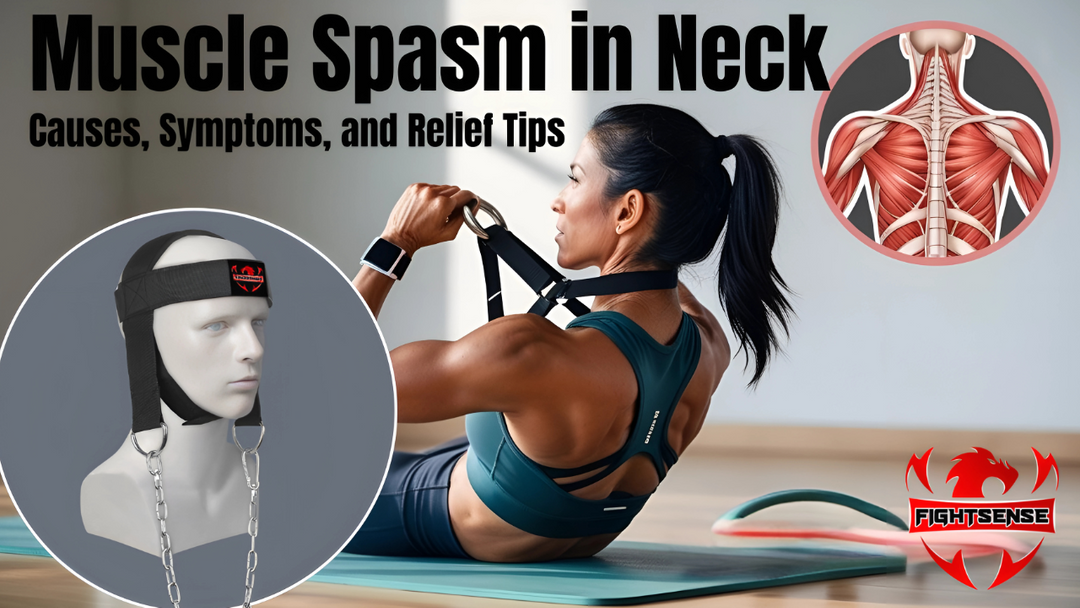
Muscle Spasm in Neck: Causes, Symptoms, and Relief Tips
A muscle spasm in neck can cause sudden pain, stiffness, and difficulty moving your head. Whether it's triggered by poor posture, muscle strain, stress, or overuse, understanding the cause is the first step toward lasting relief.
This guide explains common symptoms, treatment options, and prevention tips to help you recover safely and keep your neck strong.
Keynotes
- A muscle spasm in neck is a sudden contraction often caused by strain, tension, or dehydration.
- Quick relief methods include gentle stretches, heat/cold therapy, self-massage, and OTC pain relief.
- Mobility exercises like neck tilts, chin tucks, and upper back strengthening reduce recurrence.
- Stay hydrated, maintain good posture, and remain gently active to prevent future spasms.
What Causes Muscle Spasm in Neck?
Common Reasons Behind Neck Muscle Pain
A muscle spasm in the neck occurs when the neck muscles tighten involuntarily, often causing discomfort and restricted movement. Neck muscle spasms may develop after long hours at a desk, poor sleeping posture, sudden movements, or intense physical activity.
In some cases, stress and dehydration can also contribute to muscle spasms in neck and shoulder by increasing muscle tension. Understanding the cause helps you choose the right treatment and reduce the chances of future flare-ups.
Common Causes
- Poor posture while working or using devices
- Sleeping in an awkward position
- Muscle overuse during exercise
- Emotional stress and tension
- Dehydration or electrolyte imbalance
- Minor neck injuries
Causes Behind Muscle Spasms in Neck
There are many potential triggers for neck muscle spasms each demanding different solutions.
Let’s explore the most frequent causes:
- Poor Ergonomics: The cervical spine is strained when you use your phone or your desk in the wrong way, which leads to neck muscle cramps.
- Excessive Physical Activity: A spasm in the neck muscle can be caused by heavy lifting or quick moves.
- Dehydration and Electrolyte Imbalance: Not drinking enough water can make muscles less effective.
- Stress and Anxiety: Tense muscles in the upper back and neck are often caused by mental stress.
- Weak Muscles: If your neck muscles aren't strong enough, you're more likely to have muscle cramps. A Fightsense neck harness can help with this.
If you know what caused it, you can make a treatment plan that works better and lasts longer.
How to Treat Spasm Neck Muscles Effectively
There are both silent and active ways to treat muscle spasms in the neck. Here's an easy way to handle it:
- Apply Moist Heat or Cold Packs: Use cold packs to reduce swelling, and then hot packs to relax muscles.
- Perform Gentle Neck Stretches: Use light stretching to alleviate the muscle spasm in neck.
- Stay Hydrated: Being dehydrated is a frequent cause of muscle spasms in the neck.
- Incorporate the Fightsense Neck Harness: To make your neck muscles stronger, do exercises that use force.
- Massage and Rest: Trigger-point therapy can help ease muscle stiffness in the neck, and then you should get enough rest.
You can do any of these methods without harm, and they work well when you use tools like the Fightsense neck harness.
Using Fightsense Neck Harness to Prevent Muscle Spasm in Neck
The Fightsense neck harness isn't just for players; it's also great for anyone who has trouble with spasms in neck muscle and wants to improve their strength.
It helps in these ways:
- Builds Neck Strength: Muscles that are stronger are less likely to random twitch in neck when they are stressed.
- Supports Posture: Regular use helps keep the neck in the right posture.
- Improves Blood Flow: Boosts blood flow and eases pain and congestion.
- Decreases Risk of Neck Muscle’s Spasms: Long-term relief comes from training to avoid them.
If you want to get rid of neck muscle’s spasms for good, add the neck harness to your workout or exercise routine.
How to Fix a Neck Cramp Safely
Simple Steps for Fast Relief
If you're wondering how to fix a neck cramp, start with gentle stretches, rest, and applying a warm compress to relax tight muscles. Mild spasm of neck symptoms often improve within a few days when combined with proper posture and avoiding activities that strain the neck.
If pain becomes severe, lasts more than a week, or is accompanied by numbness or weakness, seek medical advice for a proper evaluation.
Tips for Relief
- Apply heat for 15–20 minutes.
- Perform slow, gentle neck stretches.
- Stay hydrated throughout the day.
- Avoid sudden neck movements.
- Maintain proper sitting posture.
Neck Muscle Spasm Treatment for Long-Term Recovery
Strengthening the Neck After Pain Improves
Effective neck muscle spasm treatment doesn't stop when the pain goes away. Once symptoms have improved, gentle strengthening exercises can help reduce the risk of future injuries. Many athletes and fitness enthusiasts include resistance-based neck training as part of their routine.
A quality training tool like the FightSense Neck Harness can support gradual strengthening when used with proper technique and after acute pain has resolved. If you're looking for how to treat neck spasms, combining rehabilitation exercises with good posture and recovery habits often delivers the best long-term results.
Recovery Tips
- Resume exercise gradually.
- Strengthen neck muscles with proper guidance.
- Improve workstation ergonomics.
- Warm up before workouts.
- Allow muscles adequate recovery time.
Muscle Twitching Back of Neck: When Should You Be Concerned?
Understanding Muscle Twitching and Spasms
Occasional muscle twitching back of neck is usually harmless and may be caused by muscle fatigue, stress, or excessive caffeine intake. However, persistent twitching or repeated spasm in neck accompanied by weakness, numbness, fever, or severe pain should be evaluated by a healthcare professional.
Most mild cases improve with rest, hydration, and reducing muscle strain, but recurring symptoms may require medical assessment to identify the underlying cause.
Seek Medical Care If You Notice
- Persistent or worsening spasms
- Severe pain after an injury
- Numbness or tingling
- Weakness in the arms or hands
- Fever or unexplained weight loss
Preventing Future Neck Muscle Spasms
Healthy Habits That Protect Your Neck
Preventing future neck muscle spasms starts with maintaining strong, flexible muscles and practicing good posture throughout the day. Regular stretching, ergonomic work habits, and progressive strengthening exercises can improve neck stability over time.
For athletes and active individuals, the FightSense Neck Harness provides a practical way to build neck strength safely as part of a balanced training program, helping support long-term performance and resilience.
Prevention Checklist
- Stretch your neck daily.
- Take breaks from prolonged sitting.
- Maintain proper posture.
- Stay physically active.
- Use progressive resistance training responsibly.
Real-Life Experience
How Better Neck Strength Helped Prevent Recurring Spasms
An office worker who regularly experienced a muscle spasm in neck after long hours at the computer began making small changes to their daily routine. They improved their workstation setup, took short stretching breaks throughout the day, and, after their symptoms had fully recovered, added light neck-strengthening exercises using the FightSense Neck Harness.
Within a few weeks, they noticed fewer episodes of neck stiffness and greater comfort during work and workouts. While results vary from person to person, combining healthy habits with gradual strength training can help support long-term neck health.
Conclusion
Disclaimer
This information is intended for general guidance only. If spasms persist, recur frequently, or you experience severe symptoms, consult a licensed medical professional.
FAQs
1. How to relieve neck spasm quickly?
To help relieve a neck spasm, try resting the affected muscles, applying a warm compress, performing gentle stretches, and avoiding sudden movements. If the pain is severe or persists, consult a healthcare professional.
2. What causes a spasm of the neck?
A spasm of the neck can result from muscle strain, poor posture, stress, overuse, or sleeping in an awkward position. In some cases, an underlying medical condition may also contribute.
3. Why do I have muscle spasms in my neck and shoulder?
Muscle spasms in the neck and shoulder are commonly caused by muscle fatigue, prolonged sitting, repetitive movements, or tension. Improving posture and taking regular movement breaks may help reduce symptoms.
4. Is muscle twitching in the neck normal?
Occasional muscle twitching in neck is usually harmless and may be linked to stress, fatigue, caffeine, or overworked muscles. Frequent or persistent twitching should be evaluated by a healthcare provider.
5. What causes muscle cramps in the neck?
Muscle cramps in neck can develop from dehydration, muscle overuse, poor posture, or electrolyte imbalances. Staying hydrated and stretching regularly may help lower the risk.
6. Why is my neck cramping all of a sudden?
If your neck is cramping unexpectedly, it may be due to muscle strain, sleeping in an uncomfortable position, or sudden movement. Gentle stretching and heat therapy often provide relief.
7. What causes twitching in neck muscles?
Twitching in neck muscles may occur because of stress, muscle fatigue, or minor nerve irritation. If the twitching becomes persistent, painful, or is accompanied by other symptoms, seek medical advice.
8. What is the best neck spasm relief for recurring pain?
The best neck spasm relief often includes gentle stretching, proper posture, heat therapy, and strengthening exercises once the pain has eased. If spasms keep returning, consult a healthcare professional to identify the underlying cause.