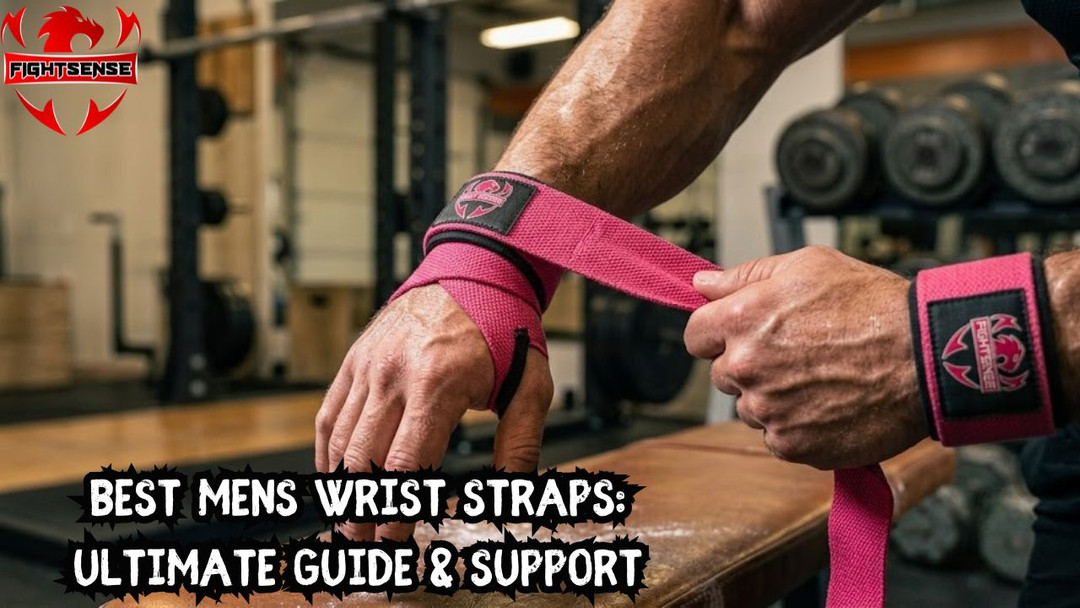
Best Mens Wrist Straps: Ultimate Guide & Support
Whether you are pushing for a new personal record on the bench press or grinding through heavy overhead shoulder presses, mens wrist straps (often referred to as lifting wraps) are essential tools for serious gym-goers. Weak or unstable wrists can severely limit your lifting potential, leading to compromised form and potential injuries.
In this comprehensive guide, we will explore everything you need to know about choosing, wearing, and utilizing wrist wraps to maximize your training safety and performance.
Understanding Mens Wrist Straps
Mens wrist straps are specialized athletic accessories designed to wrap securely around the wrist joint. Their primary function is to stabilize the joint, restrict excessive extension, and reduce stress on the tendons and bones during heavy compound movements.
Unlike basic sweatbands, athletic wrist wraps feature durable elastic, heavy-duty cotton, or nylon blends reinforced with sturdy thumb loops and hook-and-loop (Velcro) closures.
Why You Need Wrist Support in the Gym
When handling heavy iron, your wrists act as the critical bridge between your body and the barbell. Without proper reinforcement, heavy loads can hyperextend the wrist, causing discomfort and shifting power away from your target muscles.
- Joint Stability: They lock the wrist in a neutral, safe position.
- Pain Reduction: They alleviate pressure for lifters dealing with chronic wrist strain.
- Increased Confidence: Knowing your wrists are stable allows you to push heavier weights with peace of mind.
Wrist Wraps vs. Lifting Straps: What is the Difference?
Many beginners confuse wrist wraps with lifting straps. While both are common gym accessories, they serve completely different purposes:
|
Feature |
Wrist Wraps |
Lifting Straps |
|
Primary Purpose |
Stabilize and protect the wrist joint. |
|
|
Common Exercises |
Bench press, overhead press, squats, dips. |
Deadlifts, barbell rows, pull-ups, shrugs. |
|
Design |
An elastic band wrapped around the joint. |
Fabric loop secured around the bar and hand. |
Types of Materials Used in Weightlifting Wraps
When shopping for men's wrist support gear, you will generally encounter three main fabric categories:
- Cotton-Elastic Blends: Highly popular for general bodybuilding and CrossFit. They offer a great balance of stretch, flexibility, and firm support.
- Stiff Competition Wraps: Built primarily for powerlifters. These feature thick, rigid nylon-heavy weaves that severely restrict joint movement to support maximal loads.
- Neoprene Wraps: Softer and more flexible, ideal for general fitness, calisthenics, and individuals recovering from minor injuries who still require full range of motion.
How to Choose the Best Gear
Selecting the right pair depends entirely on your training style, experience level, and personal comfort preferences. When looking for quality Gym wrist supports, keep these key factors in mind:
1. Length
- 12-Inch Wraps: Best for lighter lifting, functional fitness, and individuals with smaller wrists who prefer quick adjustments.
- 18-Inch to 24-Inch Wraps: The gold standard for heavy powerlifting and bodybuilding. They provide multiple layers of wrapping for maximum stability.
2. Closure Systems
Look for heavy-duty Velcro that will not peel open under high tension, paired with a reinforced thumb loop that withstands repeated daily pulling. This is where trusted fitness brands like Fightsense come into play, offering a specialized fitness brand portfolio that provides durable weightlifting gears, in which premium wrist straps are also included to withstand rigorous training sessions.
Step-by-Step Guide: How to Properly Wear Wrist Straps
Putting on your wrist support gear correctly ensures maximum protection during your workout sets. Follow these steps:
- Position the Thumb Loop: Slip your thumb through the loop. The main body of the wrap should sit directly over your wrist joint (the carpal bones), not up on your hand or too far down your forearm.
- Anchor and Tension: Wrap the material firmly around your wrist once to anchor it, then remove your thumb from the loop to prevent circulation restriction.
- Layer the Wrap: Continue wrapping tightly in a spiral fashion toward your hand or forearm depending on your preferred coverage.
- Secure the Velcro: Press the Velcro closure firmly into place. If your fingers start tingling or turning pale, you have wrapped too tightly; loosening slightly is necessary.
Pros and Cons of Using Wrist Support
Pros
- Drastically reduces the risk of hyperextension injuries.
- Enhances power transfer from arms to the barbell.
- Speeds up recovery time for tired or sore joints.
Cons
- Over-reliance can weaken natural wrist and forearm stabilizer muscles.
- Can be tedious to put on and adjust between different exercises.
Expert Tips for Maximizing Longevity and Performance
- Air Them Out: Always take your wraps out of your gym bag immediately after a session to let sweat dry and prevent foul odors.
- Wash Carefully: Hand wash your wraps in warm water with mild detergent and let them air dry naturally to preserve the elasticity and Velcro integrity.
- Use Strategically: Save your wraps for your heavy working sets. Warm-up sets should ideally be performed raw to keep your natural stabilizer muscles active.
Common Mistakes to Avoid
- Wrapping Too High on the Hand: Placing the wrap over the palm restricts hand mobility and reduces support efficiency.
- Ignoring Maintenance: Failing to clean Velcro strips causes them to collect gym chalk, lint, and debris, which ruins their sticking power.
- Depending on Wraps for Poor Form: Wraps are designed to support heavy weight, not to correct sloppy wrist alignment. Always practice proper bar placement.
FAQs:
1. Do beginners need to use mens wrist straps?
Beginners can use them if they experience joint discomfort, but it is generally recommended to build natural grip and wrist strength first before introducing heavy gear.
2. Can we wear wrist wraps for all exercises?
No. They are helpful for pushing movements and heavy squats, but unnecessary or counterproductive for pulling movements like deadlifts where grip strength is tested.
3. What length is best for heavy bench pressing?
An 18-inch wrap is typically the best choice for bench pressing, offering enough material for multiple layers of rigid support.
4. How do clean wrist wraps?
Hand wash them in cold water with mild soap and air dry them completely. Avoid putting them in a machine dryer, as high heat ruins the elastic fibers.
5. Are stiff wraps better than flexible ones?
Stiff wraps are better for maximal powerlifting attempts, while flexible cotton wraps are more comfortable for high-repetition bodybuilding and functional training.
6. Can wrist straps help with carpal tunnel or wrist pain?
While they provide compression and stability during exercise, they are not medical devices. Consult a physician or physical therapist for chronic pain management.
7. Should you keep the thumb loop on while lifting?
No. The thumb loop is only meant to anchor the wrap while you secure it. Keeping it on during a heavy lift can pull awkwardly on your thumb joint.
8. How often should you replace lifting wraps?
High-quality pairs of Weightlifting wrist wraps can last for years. You should only replace them when the elastic loses its stretch or the Velcro completely stops holding securely.
Conclusion:
Investing in a reliable pair of wrist support accessories can transform your heavy lifting sessions by offering unmatched joint stability, safety, and confidence under the bar. By choosing the right material, maintaining proper wrapping technique, and using them strategically, you will protect your joints and push past your previous lifting plateaus.
Disclaimer:
Men’s wrist straps support your wrists but should be used with proper warm-up, technique, and guidance from a fitness professional, especially if you have prior wrist issues.