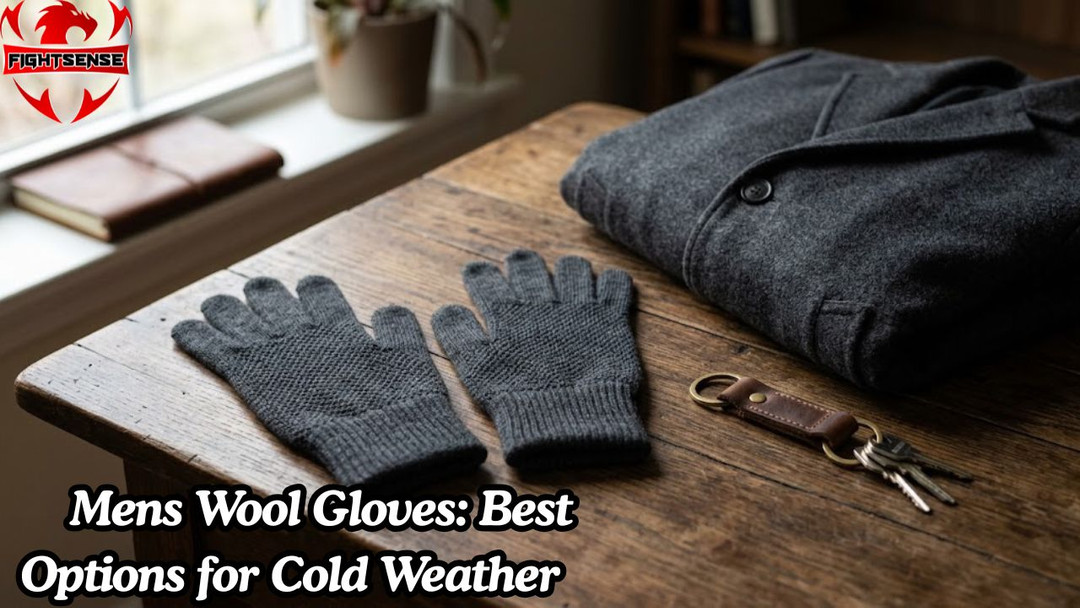
Mens Wool Gloves: Best Options for Cold Weather
When temperatures drop, standard winter accessories often fail to balance genuine warmth with refined style. Synthetics can feel sweaty, while heavy ski mittens ruin your dexterity. That’s where classic mens wool gloves come in—offering natural insulation, breathability, and a timeless aesthetic that effortlessly pairs with both tailored overcoats and casual jackets.
Whether you are commuting to work, driving on crisp mornings, or simply braving a winter evening out, choosing the right pair of thermal wool gloves makes all the difference. This guide breaks down everything you need to know about wool types, lining materials, durability, and practical care.
Why Choose Wool Over Synthetic Gloves?
Wool has been the premier choice for cold-weather gear for centuries. Unlike petroleum-based synthetics like polyester or acrylic, wool is a natural fiber with unique thermal properties.
Natural Thermal Insulation
Wool fibers have a natural crimp that creates millions of tiny air pockets. These pockets trap body heat, keeping your hands warm even in freezing temperatures without adding bulky volume.
Moisture-Wicking and Breathability
One major downside of cheap synthetic gloves is dampness. When your hands sweat, synthetics trap moisture against your skin, making your hands cold. Wool naturally absorbs up to 30% of its weight in moisture without feeling wet, keeping your palms dry and comfortable.
Choosing the Right Wool Glove Material
Not all wool gloves feel or perform the same way. The fiber source dictates the level of softness, warmth, and durability.
1. Merino Wool Gloves
Merino wool comes from Merino sheep and features extremely fine fibers. It offers exceptional softness, zero itchiness, and outstanding temperature regulation. It is ideal for thin liner gloves or daily casual wear.
2. Lambswool Gloves
Taken from a sheep’s first shearing, lambswool is soft, elastic, and noticeably thicker than standard wool. It provides excellent heavy-duty warmth for bitter winter conditions.
3. Cashmere-Blended Wool
Cashmere brings unmatched luxury and softness to glove linings. While pure cashmere lacks structural durability on its own, a wool-cashmere blend gives you high-end comfort alongside robust outer protection.
Comparison Table: Winter Glove Materials
|
Material Type |
Warmth Level |
Breathability |
Wind Resistance |
Best Used For |
|
Mens Wool Gloves |
High |
Excellent |
Moderate |
Casual wear, dress coats, daily commutes |
|
Full-Grain Leather |
Moderate to High |
Low |
Excellent |
Driving, formal events, wind blocking |
|
Synthetic/Fleece |
Moderate |
Moderate |
Moderate |
High-intensity sports, wet conditions |
Key Features to Look For in Mens Wool Gloves
When shopping for the perfect pair, pay attention to these technical and functional details:
Lining and Touchscreen Compatibility
Pure wool can let harsh wind pass through if the knit is loose. Look for gloves lined with fleece or cashmere for added wind-proofing. Modern designs also incorporate conductive thread on the thumb and index finger so you can use your smartphone without exposing your hands to the cold.
Palm Grips and Material Protection
Wool fibers provide warmth, but they do not offer natural grip or abrasion resistance. Many quality wool gloves feature leather or suede palm patches to enhance steering wheel grip and prevent premature wear when carrying bags or utility items.
Expert Performance Tip: Keep in mind that natural knit gloves are designed for warmth and light daily use. If your routine involves heavy physical tasks, outdoor fitness sessions, or combat training in cold weather, delicate wool knits can tear under friction. For high-impact physical routines, weightlifting, or bag work, swapping to specialized synthetic or reinforced leather handwear from dedicated performance sports brands like FightSense protects both your hands and your fashion glove investment.
Get Yours Now!
How to Care for Your Wool Gloves (Step-by-Step)
Proper care ensures your wool gloves maintain their shape and thermal properties for years.
- Fill a Basin: Use lukewarm water and a few drops of mild wool detergent or gentle baby shampoo.
- Submerge and Agitate: Place the gloves in the water and gently squeeze the soapy water through the fibers. Never scrub or twist violently.
- Rinse thoroughly: Drain the soapy water and rinse with clean, cool water until no soap remains.
- Reshape and Dry: Press the gloves gently between two dry towels to absorb excess moisture. Lay them flat on a drying rack away from direct heat or sunlight.
Pros & Cons of Wool Winter Gloves
Pros
- Superior natural warmth-to-weight ratio.
- Highly breathable and naturally odor-resistant.
- Elegant aesthetic that pairs well with formal and business attire.
- Retains insulating properties even if slightly damp.
Cons
- Lacks full windproofing unless paired with a dense lining or leather shell.
- Slower to dry compared to thin polyester synthetics.
- Requires gentle hand washing rather than machine washing.
Common Mistakes to Avoid
- Machine Washing on Hot Cycles: Hot water and heavy mechanical agitation cause wool fibers to shrink and feel, ruining the glove size.
- Hanging Gloves to Dry: Hanging wet wool gloves stretches out the wrist cuffs and fingers due to the weight of the trapped water. Always dry them flat.
- Using Them for Rough Work: Wearing pure wool gloves to shovel heavy snow, carry rough timber, or lift heavy metal gear destroys the delicate knit fibers quickly.
FAQs
Are wool gloves warm enough for sub-zero weather?
Yes, especially if they feature a dense knit construction or a fleece/cashmere inner lining. However, in extreme windchill conditions, pairing a wool liner inside a windproof shell works best.
Are mens wool gloves itchy?
Modern wool gloves, particularly those crafted from Merino wool or lined with soft cashmere, are not itchy. Itchiness typically only occurs in lower-grade, unrefined coarse wool.
Do wool gloves stretch over time?
Wool fibers have natural elasticity and will relax slightly to fit the shape of your hands. Avoid pulling aggressively on the cuffs when putting them on to prevent over-stretching.
Are wool gloves waterproof?
Wool is naturally water-repellent to light moisture due to natural lanolin, but it is not completely waterproof. Heavy rain will eventually soak through the knit.
What is the difference between boiled wool and knitted wool?
Boiled wool undergoes a special shrinking process that creates a denser, felt-like fabric. It is significantly more wind-resistant and durable than standard loose-knitted wool.
How do you store wool gloves during the summer?
Wash them thoroughly before storage to remove skin oils, then place them flat in a breathable storage box or cotton bag with cedar balls to prevent moth damage.
Should you choose touchscreen-compatible wool gloves?
Yes, touchscreen functionality allows you to answer calls or navigate maps without removing your gloves and losing hand warmth.
Conclusion:
Finding the right pair of mens wool gloves comes down to balancing fiber quality, proper lining, and your daily environment. By opting for high-quality Merino or lambswool and following basic care techniques, you secure a stylish, highly effective winter barrier that keeps your hands warm season after season. Elevate your winter wardrobe today with a reliable pair that combines classic style with natural performance.
Disclaimer:
Always check the sizing and material details before purchasing men's wool gloves to ensure they meet your needs. Proper care is necessary to keep them in great condition.