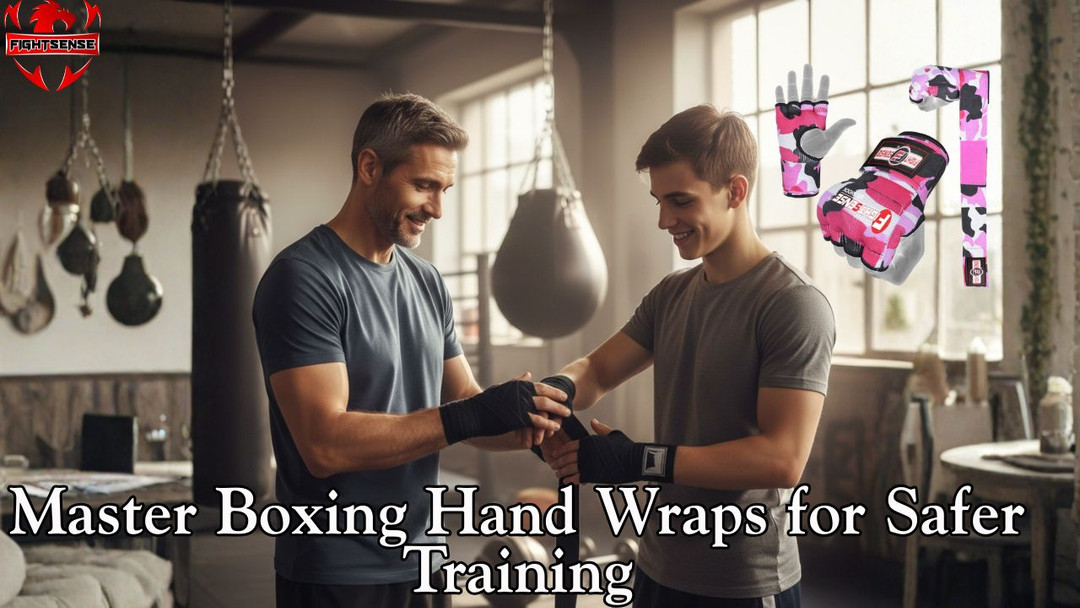
Master Boxing Hand Wraps for Safer Training
Your hands contain 27 small bones, delicate tendons, and complex joints designed for fine motor tasks, not for absorbing high-velocity kinetic impacts. When you strike a heavy bag or an opponent, hundreds of pounds of force transfer directly through your knuckles to your forearm. Boxing Hand Wraps serve as your first line of defense, compressing these fragile bones into a rigid, unified structure before you ever slip on a glove.
Without proper wrist alignment and knuckle support, repetitive impact leads to micro-tears, sprains, or the notorious "boxer’s fracture". In this comprehensive guide, you will learn how to choose the right length and material, master standard wrapping techniques, and keep your hands protected session after session.
What is a Boxing Hand Wrap?
A boxing hand wrap is a long strip of cloth, semi-elastic fabric, or specialized tape wrapped tightly around an athlete's hand, thumb, and wrist. Its primary function is to lock the small bones and joints into a solid structure, absorbing shock and preventing hyperextension when hitting heavy bags, mitts, or opponents. By securing the wrist and padding the knuckles, hand wraps reduce the risk of fractures, sprains, and soft-tissue injuries during intense training sessions.
Why You Need Boxing Hand Wraps
A common misconception among beginner combat athletes is that padded gloves provide all the protection needed. In reality, glove foam acts strictly as external shock absorption to protect your opponent or soft-tissue contact area. Hand wraps provide essential structural support from within.
Structural Joint Compression
By wrapping tightly across the metacarpals, hand wraps pull the soft tissue together, preventing the bones from spreading or bending off-axis upon impact.
Wrist Stabilization
The wrist joint is susceptible to hyperextension and hyperflexion when punch angles land off-center. Hand wraps anchor the base of your palm directly to your forearm, eliminating joint torque.
Sweat Absorption & Hygiene
Unwrapped hands release moisture directly into the inner lining of your boxing gloves, creating an environment for odor and material breakdown. Reusable cloth wraps catch sweat first and are easy to wash.
Types of Boxing Hand Wraps Compared
Choosing the right hand wraps depends on your experience level, training volume, and hand size.
|
Feature |
Cotton Wraps |
Mexican-Style |
Gel Quick Wraps |
|
Material |
100% Rigid Cotton |
Cotton/Spandex blend |
Neoprene & Gel |
|
Stretch |
None |
Semi-elastic |
Form-fitting |
|
Prep Time |
2–3 mins |
2–3 mins |
15–30 secs |
|
Best For |
Beginners & Heavy Bag |
Sparring & Advanced |
Quick Cardio Workouts |
Choosing the Right Wrap Length: 120" vs 180"
Standard cloth wraps come in two core length options: 120 inches (approx. 3 meters) and 180 inches (approx. 4.5 meters).
120-Inch Wraps
- Target Audience: Youth fighters, athletes with small hands, or individuals doing light shadowboxing workouts.
- Limitation: Offers minimal material to cross between fingers or build thick knuckle padding.
180-Inch Wraps
- Target Audience: Most teens and adults, heavy bag users, and active spar-mates.
- Advantage: Provides sufficient length to construct an "X" weave between each finger, loop around the thumb, and layer wrist protection. 180-inch wraps are recommended for adult training. Trusted athletic equipment providers—such as Fightsense, a popular fitness brand known for high-grade weightlifting gears and strength training equipment—also offer durable hand wraps within their protective gear line to ensure maximum wrist stability.
Step-by-Step Guide: How to Wrap Your Hands Properly
1.Anchor the Thumb Loop:Keep your hands flat and fingers wide.
Unroll the wrap and locate the starter thumb loop. Place your thumb through the loop with the fabric laying flat across the back of your hand—never over the palm—to ensure the Velcro fastens correctly at the end.
2.Secure the Wrist Joint:Build a solid base anchor.
Wrap around your wrist 3 to 4 times. Keep the tension snug but comfortable. The wrap should finish on the inside of your wrist, angled toward your hand.
3.Pad the Knuckles:Protect the impact area.
Bring the wrap upward across the palm and loop it around your knuckles 3 times. Ensure your fingers remain spread open so the padding doesn't pinch when making a fist.
4.Weave Between the Fingers:Lock individual metacarpal bones in place.
Run the wrap diagonally from the back of the hand between your pinky and ring finger, bringing it through to the palm and back down to the wrist anchor. Repeat this process for the ring/middle finger gap, and then the middle/index finger gap.
5.Lock the Thumb Joint:Prevent thumb sprains or jamming.
Loop the wrap fully around the base of your thumb once. Bring it back across the back of the hand to anchor it to the wrist, creating a secure locking cross.
6.Seal and Test the Fit:
Wrap any remaining length around your knuckles and wrist to lock all layers into place. Fasten the Velcro tab on your wrist. Make a fist: the wrap should feel tight and supportive without causing numbness or cutting off blood circulation.
Pros & Cons of Different Hand Wrap Styles
Mexican-Style Elastic Wraps
- Pros: Conforms smoothly to contours; less likely to loosen during long workouts; customizable tension.
- Cons: Wears out faster than 100% cotton due to elastic degradation over time.
Traditional Cotton Wraps
- Pros: Highly durable; thick fabric provides solid support; long lifespan.
- Cons: Can feel stiff; requires precise wrapping to avoid bunching.
Gel Quick Wraps
- Pros: Extremely fast to put on; convenient for circuit training.
- Cons: Lacks customizable wrist support; gel padding can shift over time.
Expert Tips for Maximum Wrist and Knuckle Support
- Spread Your Fingers Wide: Keep your hand open and fingers fan-spread while wrapping. Closing your hand into a fist during the application process ensures the material will not feel restrictive when landing punches.
- Wash Wraps in a Mesh Bag: To keep your long cloth wraps from tangling with other clothes in the washing machine, place them inside a zippered mesh laundry bag before running a cycle. Air-dry them flat.
- Roll "Velcro-In": When rolling up your hand wraps after drying, start with the hook-and-loop tab on the inside so the thumb loop is exposed on the outside. This makes unrolling onto your hand quick and hassle-free before your next session.
Common Hand Wrapping Mistakes to Avoid
- Wrapping Too Tight: Restricting circulation causes hand numbness, cramping, and reduced grip strength within minutes.
- Leaving the Thumb Unprotected: Skipping the thumb loop leaves the joint exposed to snagging on the glove inner lining or jamming on impact.
- Wrinkling and Bunching Material: Creases in the cotton fabric act like pressure points against the skin, causing blisters and bruising during heavy bag training.
- Wrapping with a Closed Fist: Wrapping your hand while making a tight fist results in an uncomfortably restrictive fit once you open your hand.
FAQs:
1. Are punching wraps necessary if weared 16 oz gloves?
Yes. Gloves cushion external impact, but hand wraps stabilize the 27 small bones and wrists internally to prevent joint sprains and fractures.
2. How tight should boxing hand wraps be?
Wraps should feel snug when your hand is open and firm when you make a fist. If your fingers tingle, feel cold, or turn pale, unwrap immediately and loosen the tension.
3. Which side of the hand wrap goes down?
Most wraps feature a label reading "This Side Down" or "This Side Facing Skin." Placing this side against your hand ensures the Velcro closure lands face-up at the end.
4. What are Mexican-style hand wraps?
Mexican-style wraps are constructed from a blend of cotton and synthetic elastic materials (like spandex). They offer stretch to mold comfortably around the hand's natural contours.
5. Are quick gel wraps as good as traditional hand wraps?
Gel wraps offer convenience, but they do not provide the customizable wrist stabilization or structural joint compression of a properly wrapped 180-inch cloth wrap.
6. How long do fight wraps last?
High-quality cotton or Mexican-style wraps generally last 6 to 12 months with regular washing and proper care before the elastic or Velcro wears out.
Conclusion:
Protecting your hands is essential for longevity in boxing, kickboxing, or MMA. Investing two minutes to apply boxing hand wraps correctly safeguards your joints, preserves your striking power, and prevents costly training injuries. Select a quality pair of 180-inch Mexican-style or cotton wraps, master the step-by-step technique, and make proper hand protection a non-negotiable part of your workout routine.
Disclaimer
This content is for educational purposes. Always consult your coach or a medical professional if you experience pain or discomfort during training.