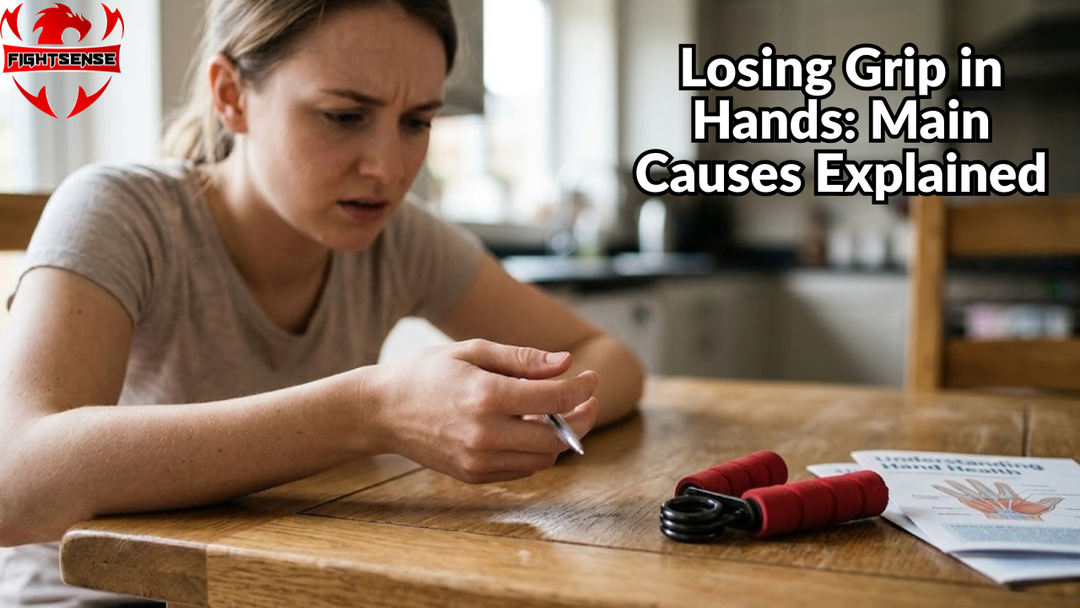
Losing Grip in Hands: Main Causes Explained
Losing grip in hands is a condition many people experience at some point in life. It usually begins with small signs like dropping objects or difficulty holding everyday items such as a cup, phone, or pen. At first, it may not seem serious, but over time it can become more noticeable and affect daily activities.
Hand grip strength is important for almost all hand functions. It depends on the proper working of muscles, nerves, tendons, joints, and blood circulation. If any of these systems are affected, grip strength can decrease.
Sometimes, this problem is temporary due to fatigue or overuse. However, it can also be a warning sign of an underlying health condition. Understanding its causes is important for early diagnosis and treatment.
In this article, we will explore the main causes of losing grip in hands along with symptoms, risk factors, and prevention tips.
Keynotes:
- Losing grip in hands can signal nerve, muscle, or vitamin-related issues.
- Early symptoms like tingling or weakness should never be ignored.
- Lifestyle factors such as stress, diet, and overuse can worsen grip strength.
- Simple exercises and proper nutrition can significantly improve hand strength.
- Timely diagnosis and care can prevent long-term complications.
What Does Losing Grip in Hands Mean?
Loss of grip in the hands is a decline in your ability to hold or control objects appropriately with your hands. A person with this problem may realise that their hands may not feel as strong as they used to be and even the simplest activities become challenging.
This can affect one or both hands. It might come on quickly, or build slowly over time. People can typically find out they have it when they start dropping things more than they normally would.
Typical symptoms include that objects are dropped often, bottles or jars are difficult to open, there is weakness in the hands or fingers, and the wrists or palms feel generally fatigued. Some people may also get numbness or tingling sensations.
Main Causes of Loss of Grip in Hands:
Nerve Issues
Nerves are one of the most common causes of a weak grasp. "Nerves send messages from the brain to the muscles and when they are squeezed or destroyed the strength of the hand goes down.
One of the most frequent is Carpal Tunnel Syndrome . This is when the median nerve in your wrist gets crushed , generally due to repetitive activities like typing or using a mouse .
Vitamin and Nutritional Deficiency
A good diet is important for healthy nerves and muscles. Not getting enough of certain key vitamins can make you weak.
- Vitamin B12 shortage can produce weariness, poor coordination and hand weakness, while a Vitamin D deficiency might lower muscle strength.
- Low iron or a bad diet can also decrease energy and impact grip strength.
Weakness of Muscles
- When muscles are not used consistently, either to inactivity, ageing, or extensive rest periods, they become weak.
- Muscle weakness in the hand and forearm leads to reduced grip strength, making it more difficult to hold or lift objects. Sometimes it might also be connected to muscle related disorders.
Joint Issues and Arthritis
- Arthritis is a frequent disorder among older persons which affects joints. It causes discomfort, oedema and stiffness in the fingers
- Osteoarthritis is caused by wear and tear, and rheumatoid arthritis is an autoimmune disease. They both reduce hand movement and grip strength.
Bad Blood Flow
Proper blood flow is vital for healthy muscles and nerves. Poor circulation can cause numbness and tingling, chilled hands, and weak grip. It is commonly associated with illnesses like diabetes, smoking or blood vessel issues.
Neurological Disorders
Grip strength can also be affected by serious neurological conditions. A stroke can lead to sudden paralysis in one hand. Conditions like Parkinson’s disease or multiple sclerosis can compromise muscle function and coordination over time. They need medical attention.
Overuse and Repetitive Strain Injury
Repetitive hand activity, as well as frequent use of phones and computers can cause strain on your muscles and tendons.
This may result in temporary weakness, irritation or discomfort in the hands and wrists. Rest and lessening of strain often promote healing.
Lifestyle Factors and Fatigue
Sometimes grip weakness is not related to sickness, but normal circumstances like poor sleep, stress, dehydration or physical fatigue. Usually strength comes back in these circumstances with rest, fluids and a good routine.
How Does Hand Grip Strength Work?
To understand why grip weakness arises, we need to understand how hand strength works. The human hand is a sophisticated assembly of muscles, nerves, tendons, ligaments, bones and blood vessels. All of these parts work together to generate movement and power.
Muscles in the hand and forearm give strength. Nerves convey impulses from the brain to govern movement. Tendons attach muscles to bones, providing movement. Joints add flexibility. Blood circulation provides oxygen and nourishment to all tissues.
Any of these components may not work properly and affect grip strength. That’s why hand weakness can sometimes be a sign of a deeper health concern.
When Should You Consult a Doctor?
If grip weakness persists or gradually worsens over time, it is crucial to seek medical treatment. Feeling fatigued from time to time is natural, but chronic symptoms may signal an underlying health condition.
Do not ignore warning symptoms such as persistent weakness in the hands, numbness or tingling, discomfort or swelling in the joints, or increased difficulty in doing normal everyday activities such as grasping objects, writing, or lifting things.
Early medical intervention can help determine the exact reason and prevent the issue from getting severe. The early diagnosis increases the possibility of effective therapy and recovery.
Prevention Advice:
1. Healthy hands are a matter of simple, regular behaviours. A balanced diet, physical activity, minimising abuse of hands, and taking pauses during repetitive labour may prevent grip weakness.
2. Strengthening exercises for the hands and wrists can help increase muscular performance and lower the likelihood of difficulties in the future.
Why Should You Choose Fightsense For Hand Strength?
When it comes to problems like losing grip in hands, the correct support items can make a huge difference. At Fightsense we’re all about providing great training and recuperation items to improve hand strength, flexibility and overall performance. The brand wants to help both novices and professionals keep their hands healthy and strong, whether it’s grip strengtheners or rehabilitation products.
Add trusted tools from Fightsense into your everyday routine to assist improve muscle strength, decrease fatigue and support speedier recovery. This is a realistic approach to improve grip strength and avoid additional weakness when coupled with adequate exercise and a healthy lifestyle.
Closing Thoughts:
Don’t underestimate the losing grip in hands, which can be caused by anything from exhaustion to more significant health conditions. It can be stopped from getting worse by paying attention to it and giving it sufficient attention early on.
In addition to a healthy lifestyle, products like those from Fightsense may contribute to improved hand strength and recuperation. Just a few simple everyday efforts can be quite helpful in maintaining your hands strong and effective.
Disclaimer:
This article is for general informational purposes only and should not be taken as medical advice. Please consult a qualified healthcare professional for diagnosis or treatment of any health condition.
FAQs:
Q1. Is it possible to regain lost grip strength in hands?
Yes, in most cases grip strength can improve with regular exercise, proper nutrition, and care, though medical treatment may be required if an underlying condition is involved.
Q2. How can I recognize weak grip strength at home?
Signs include difficulty holding objects, trouble opening jars, or noticing that one hand feels weaker than the other.
Q3. Is losing grip strength always linked to aging?
Not always, as mild weakness can come with age, but sudden or noticeable loss usually has another cause.
Q4. What are effective ways to improve hand grip strength?
Simple exercises like squeezing a ball, wrist training, and using grip tools can gradually build strength over time.