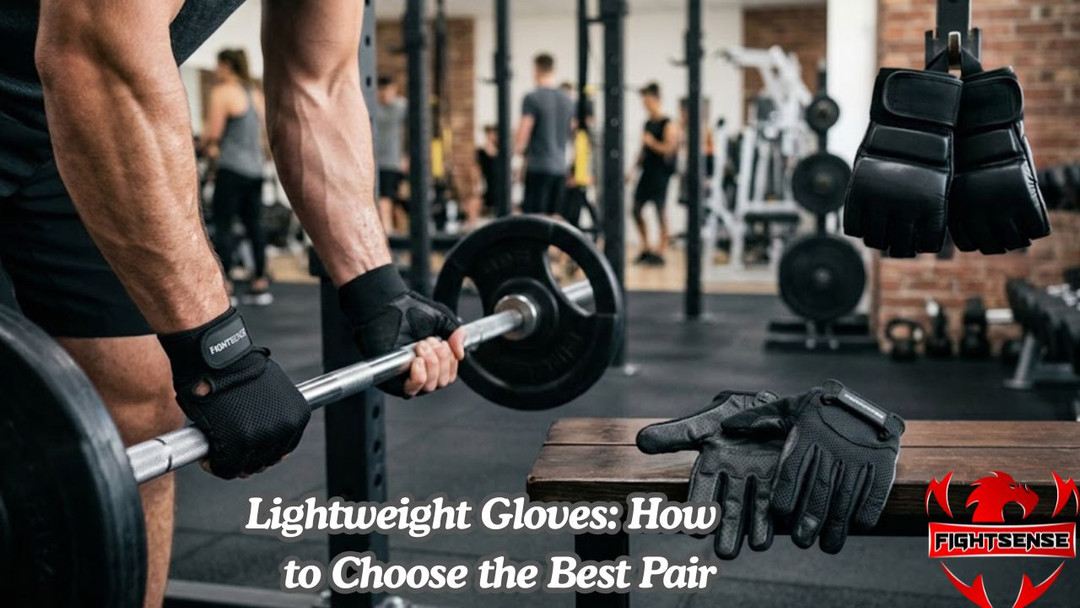
Lightweight Gloves: How to Choose the Best Pair
Finding the right fitness gear can transform your daily workout, road cycling, or training routine. If you have ever experienced sweaty palms, painful palm blisters, or a slipping grip during an intense lifting set or long ride, you know how frustrating inadequate gear can be. That is where lightweight gloves come into play. Engineered to offer essential skin protection and tactile control without adding heavy, bulky padding, these gloves deliver superior breathability, natural dexterity, and reliable traction.
In this comprehensive guide, we will explore everything you need to know about choosing the best pair of Lightweight fitness gloves. Whether you are hitting heavy pull-ups, cycling long distances, or looking for versatile gym handwear, this guide covers material selection, sizing precision, sport-specific benefits, and top equipment standards.
What Are Lightweight Gloves?
Lightweight gloves are performance-focused athletic handwear crafted from ultra-thin, highly breathable materials such as open-weave synthetic mesh, elastic spandex, flexible neoprene, and micro-fiber synthetic leather. Unlike traditional heavy-duty leather lifting gloves, rigid wrist-wrap supports, or thick combat gloves, lightweight designs prioritize speed, ventilation, and uninhibited hand movement.
The primary purpose of a lightweight glove is not heavy joint immobilization, but rather skin conservation, friction reduction, and moisture control. They shield your palms from rough barbell knurling, rubber dumbbell handles, and bicycle handlebar vibration without deadening the vital tactile feedback you need to feel in control of your equipment.
Key Benefits of Using Lightweight fitness gloves for Workouts
Upgrading to a lighter, more breathable glove model provides several measurable performance and safety advantages during physical training:
1. Superior Breathability and Heat Dissipation
Intense physical activity naturally generates body heat and sweat. Traditional heavy leather gloves trap heat, causing your hands to sweat excessively inside the glove, which leads to internal slippage and unpleasant odors. Lightweight models utilize porous mesh panels and perforated palm linings that continuously pull heat and moisture away from your skin, maintaining a dry and comfortable grip throughout your session.
2. Enhanced Grip Traction Without Bulk
When lifting weights or steering a bicycle, thick foam or gel padding can create an unnatural gap between your hand and the bar. This forces your forearms to squeeze harder just to maintain control. Lightweight gym gloves feature ultra-thin, high-traction silicone prints or micro-suede palm patches that grip metal, rubber, and foam handles directly, lowering hand fatigue.
3. Maximum Dexterity and Unrestricted Movement
Whether you need to adjust your smartwatch, re-rack weight plates, write down your workout sets, or open a water bottle, heavy gloves force you to take them off continuously. Minimalist gym gloves allow full finger articulation and thumb mobility, acting like a protective second skin that you can keep on for your entire workout.
4. Blister, Callus, and Friction Protection
Direct contact between bare skin and knurled steel barbells creates shear forces that tear skin layers, leading to painful friction blisters and thick calluses. A thin, resilient synthetic layer acts as a sacrificial shield, absorbing the friction so your skin stays intact and smooth.
Detailed Anatomy of a High-Performance Lightweight Glove
Understanding how a glove is constructed helps you evaluate quality before making a purchase. A premium lightweight glove consists of four primary structural components:
- The Backhand (Uppers): Typically built from 4-way stretch spandex or engineered polyester mesh. This region handles ventilation and expands dynamically as you make a fist.
- The Palm Layer: Crafted from single-layer micro-suede, perforated synthetic leather, or textured grip prints. It must be thin enough for tactile feedback yet abrasion-resistant enough to endure repeated friction.
- Finger Gussets (Fourchettes): The small fabric panels between the fingers. In high-grade gloves, these are made of porous mesh to maximize airflow in heat-trapping zones.
- Closure & Cuff System: Usually features a low-profile hook-and-loop neoprene strap or a seamless elastic slip-on wristband that holds the glove firmly without biting into your wrist joint.
How to Choose the Best Pair of Lightweight fitness gloves
To select the ideal pair for your athletic needs, evaluate these core features before buying:
1. Material and Breathability
Look for synthetic blends like nylon-mesh, perforated leather, or elastic spandex on the back of the hand. This ensures continuous airflow while keeping the glove lightweight and quick-drying.
2. Palm Protection and Traction
A great lightweight glove uses targeted padding rather than full-palm foam. Look for micro-fiber or textured silicone prints across the palm to ensure maximum traction on gym bars or bicycle grips.
3. Fit and Closure System
An ill-fitting glove causes bunching and chafing. Choose gloves with adjustable hook-and-loop wrist straps or flexible elastic cuffs that secure the glove tightly without restricting blood flow.
4. Sizing Accuracy
Always measure your hand circumference just below the knuckles (excluding the thumb) to find your correct size. A snug fit ensures the glove acts like a second skin.
Heavy Padded vs. Breathable workout gloves: Complete Feature Comparison
Different physical disciplines demand different levels of hand support and padding thickness. Use this detailed breakdown to determine which style aligns with your training goals:
|
Feature |
Breathable workout gloves |
Heavy Padded Gloves |
|
Best For |
Gym, Cycling, High-Rep |
Max Powerlifting, Heavy Bag |
|
Padding |
Minimal (1–3mm) |
High-Density Gel/Foam (5–10mm) |
|
Bar Feel |
High (Bare-hand feel) |
Low (Cushioned barrier) |
|
Airflow |
Exceptional (Mesh/Spandex) |
Moderate to Low (Leather/Foam) |
|
Mobility |
Complete, natural |
Stiff (Joint support focus) |
|
Sweat Control |
Quick-drying |
Traps sweat inside padding |
Sport-Specific Applications: Gym, Cycling, Combat & Daily Fitness
Lightweight gloves serve distinct functions depending on the sport or fitness discipline you practice:
1. Weightlifting & General Gym Training
In the gym, gloves shine during high-volume dumbbell circuits, barbell workouts, kettlebell swings, and bodyweight movements like pull-ups and push-ups. They stop sweat from ruining your grip on metal handles while protecting against skin pinching during heavy pulling movements.
2. Cycling & Road Riding
Cyclists rely on gloves to absorb fine road vibrations from the handlebars, preventing hand numbness (cyclist’s palsy). The textured palm ensures a non-slip grip on brake levers and gear shifters even during rain or heavy sweating.
3. Conditioning for Combat Sports & Martial Arts
While heavy boxing gloves or thick MMA sparring gloves are mandatory for contact sparring, martial artists and combat sports athletes frequently use lightweight training gloves for strength conditioning, speed bag routines, jump rope warm-ups, and agility drills. They keep hands protected during cross-training without tiring out the forearms.
Why Quality Fitness Gear Matters (Featuring FightSense)
When selecting lightweight fitness gear, build quality makes all the difference. Poorly stitched seams can tear within weeks under active stress. High-grade fitness equipment brands like FightSense focus on durable construction across their athletic line.
Known for delivering reliable combat and gym gear—from boxing gloves and MMA gear to specialized weightlifting hooks and straps—FightSense applies the same heavy-duty engineering to lightweight gym, lifting, and cycling gloves. Their design philosophy balances high-tensile stitching with breathable fabrics, ensuring your gear survives tough daily training sessions without sacrificing comfort.
Sizing and Fit Guide: How to Measure Your Hand Accurately
Wearing the correct size is critical. A glove that is too large will slip and bunch up under pressure, creating the very friction blisters you are trying to avoid. A glove that is too tight restricts blood circulation and tears along the seams.
How to Measure:
- Find Your Palm Circumference: Take a soft fabric tape measure and wrap it around your dominant hand just below the knuckles, excluding your thumb.
- Make a Loose Fist: Keep your hand slightly flexed while taking the measurement to allow room for muscle expansion during workouts.
- Compare with Sizing Charts:
- Small: 6.5 – 7.5 inches (16.5 – 19 cm)
- Medium: 7.5 – 8.5 inches (19 – 21.5 cm)
- Large: 8.5 – 9.5 inches (21.5 – 24 cm)
- X-Large: 9.5 – 10.5 inches (24 – 26.5 cm)
Tip: If your measurement falls right between two sizes, choose the larger size if you have wider palms, or the smaller size if you prefer a snug, second-skin fit.
Common Mistakes to Avoid When Buying Gloves
Avoid these common missteps when shopping for athletic handwear:
- Buying the Wrong Size: Choosing a size too large causes fabric to bunch up, creating friction blisters.
- Ignoring Material Quality: Ultra-cheap fabrics trap sweat, leading to bad odors and early fabric breakdown.
- Over-Padding for Light Work: Heavy padding forces your hand to work harder to maintain a grip on bars and handles.
- Washing Imprecisely: Throwing performance gloves in hot dryers damages elastic fabrics and synthetic leather.
Expert Tips for Cleaning, Care, and Maintenance
To extend the lifespan of your gloves and keep them clean and odor-free, follow these simple care steps:
- Air Dry Immediately After Use: Never leave damp workout gloves crumpled inside a sealed gym bag. Take them out immediately and let them air dry in a well-ventilated area.
- Hand Wash in Cold Water: Fill a basin with cool water and a small amount of mild liquid detergent. Gently knead the gloves to remove accumulated oils and sweat.
- Use a Delicate Mesh Bag for Machine Washing: If machine washing, seal the hook-and-loop wrist straps together, place the gloves inside a mesh laundry bag, and run a gentle cold cycle.
- Always Air Dry: Hang or lay gloves flat to dry away from direct sunlight. Never use a hot tumble dryer.
Get Yours Now!
FAQs:
What are lightweight gloves used for?
They are used for gym workouts, weightlifting, cycling, running, and general fitness where athletes need improved grip and skin protection without heavy heat or bulk.
Are fingerless options better for gym workouts?
Yes, fingerless designs allow maximum tactile feel, better airflow, and easy use of phone screens or fitness trackers during exercise.
Can thin lifting gloves protect against calluses?
Yes. By placing a durable microfiber layer between the skin and metal barbells or rubber handlebars, they eliminate direct friction that causes calluses.
How tight should breathable workout handwear fit?
They should fit snugly like a second skin, without pinching the fingers or feeling loose across the palm.
Can cycling gloves be used for weightlifting?
While they can work for light workouts, gym-specific gloves are engineered specifically to handle bar knurling and vertical pulling forces.
How should workout gloves be cleaned to prevent damage?
Wash them in cold water with mild detergent, then air dry completely. Avoid using hot machine dryers.
What material is best for high-breathability gym gloves?
Synthetic mesh, nylon-spandex blends, and perforated microfiber palms offer the best balance of breathability and durability.
Conclusion:
Selecting the best pair of lightweight gloves comes down to finding the ideal balance of breathability, non-slip grip, and durable construction. Whether you are powering through heavy gym pull-ups, racking up outdoor cycling miles, or cross-training for combat sports, a quality pair protects your hands from wear and tear while keeping your performance sharp.
Disclaimer:
The information provided in this blog is for general informational purposes only and is not a substitute for professional advice.