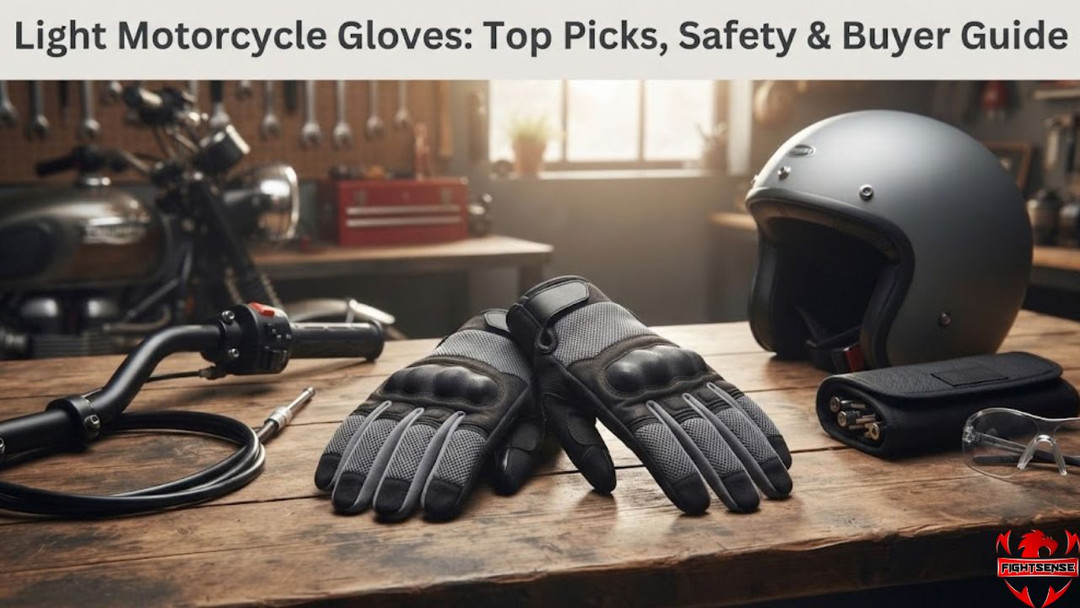
Light Motorcycle Gloves: Top Picks, Safety & Buyer Guide
Riding in warm weather or navigating daily city traffic requires gear that balances safety with effortless control. Heavy, insulated leather gloves often feel clunky, trapping heat and restricting finger dexterity when you need rapid throttle and brake response. That is where light motorcycle gloves come into play. Designed for maximum airflow, flexibility, and tactile feedback, these gloves keep your hands cool while providing vital protection against road abrasion and impact.
In this comprehensive guide, we break down everything you need to know about lightweight riding handwear—from essential safety materials to top cross-functional options that bridge the gap between everyday training and street riding.
Why Choose Light Motorcycle Gloves for Daily Riding?
When summer heat hits or you are commuting through stop-and-go urban traffic, heavy winter gauntlets become uncomfortable. Lightweight riding gloves offer a streamlined solution specifically tailored for warm-weather street riding, dual-sport adventures, and daily commuting.
Unmatched Airflow and Ventilation
Equipped with perforated leather, 3D mesh panels, and breathable textile uppers, these gloves direct cool air directly over your knuckles and fingers. This rapid heat dissipation prevents sweaty palms, ensuring your grip remains firm on the handlebars.
Superior Tactile Sensitivity
A thinner palm construction gives you precise feedback from your motorcycle’s grips, brake levers, and clutch. Whether you are adjusting your throttle on a highway stretch or modulating your front brake in an emergency stop, enhanced feel leads to faster reaction times.
Versatility Across Daily Activities
Modern rider gear increasingly favors multi-discipline utility. Handwear designed by combat and fitness gear specialists—such as FightSense, known for their high-performance gym, cycling, and weightlifting gloves—incorporates reinforced palm stitching, ergonomic padding, and breathable fabrics. These cross-functional design elements transition seamlessly between cycling, intense fitness sessions, and lightweight street riding.
Key Features to Look For in Lightweight Handwear
Not all light motorcycle gloves offer adequate protection on asphalt. To ensure your hands remain safe without adding unnecessary bulk, prioritize these vital features.
1. Palm Reinforcement and Abrasion Resistance
The palm is almost always the first point of contact during a slide. Look for palms reinforced with synthetic suede, double-layered leather, or abrasion-resistant aramid stitching.
2. Knuckle and Finger Protection
While you are avoiding rigid, heavy armor, light motorcycle gloves should still feature low-profile TPU (thermoplastic polyurethane) or molded foam knuckle guards to absorb impact energy from debris or low-speed falls.
3. Secure Wrist Closures
A glove cannot protect your hand if it flies off during an impact. Opt for low-profile hook-and-loop wrist straps that lock securely around your wrist without bunching up under your jacket sleeve.
4. Touchscreen Compatibility
Stopping on the roadside just to remove your gloves and check GPS navigation is frustrating. Ensure your chosen pair features conductive thread on the index finger and thumb tips.
Materials Breakdown: Textile vs. Leather vs. Mesh
|
Material |
Key Advantage |
Best For |
|
3D Air Mesh |
Maximum airflow |
Summer city riding |
|
Synthetic Suede |
Exceptional grip & feel |
Riding & fitness |
|
Hybrid (Leather + Mesh) |
Best protection-to-airflow balance |
Daily commuting |
Light Motorcycle Gloves vs. Other Sports Handwear
Riders often wonder if general athletic gloves can double as motorcycle gear. While dedicated motorcycle gloves include essential slide-resistant materials, cross-functional sports handwear shares key ergonomic foundations.
The Cross-Functional Advantage
Brands specializing in athletic protection—such as FightSense, which engineers weightlifting straps, MMA gloves, boxing handwear, and breathable cycling gloves—focus heavily on palm stress points, anatomical containment, and anti-slip textures.
For instance, the strategic shock-absorption padding found in high-grade cycling and gym gloves mirrors the vibration damping required on motorcycle handlebars. While track days demand heavy leather gauntlets, urban riders and commuters benefit greatly from the flexibility, wrist mobility, and durable palm construction engineered into modern multi-sport training handwear.
Step-by-Step: How to Measure Your Hand for the Perfect Fit
1.Measure Palm Circumference: Use a soft cloth tape measure for accuracy.
Wrap a flexible measuring tape around your dominant hand just below the knuckles, excluding the thumb. Make a flat palm and do not pull the tape too tight.
2.Measure Hand Length: Determine finger length clearance.
Measure from the tip of your middle finger straight down to the primary crease at the base of your wrist.
3.Consult the Manufacturer Sizing Chart: Match your measurements to the brand specs.
Compare both numbers against the specific brand size chart. If your palm circumference and hand length point to different sizes, always size up to ensure full finger clearance.
4.Check the Flex Fit on Handlebars: Test grip posture before riding.
Put the gloves on, make a tight fist, and mimic gripping a handlebar. Ensure there is no pinching across the knuckles or excessive pulling at the fingertips.
Pros & Cons of Lightweight Riding Gloves
Pros
- Enhanced Comfort: Lightweight fabrics prevent hand fatigue and sweat buildup during hot rides.
- Superior Control: Thin palm layers deliver unmatched feel for subtle throttle and lever adjustments.
- Quick On/Off: Short-cuff designs are quick to secure and slip easily into a jacket pocket.
- Multi-Activity Utility: High-quality cross-functional gloves work great for cycling, gym sessions, and commuting.
Cons
- Reduced Slide Duration: Light textile fabrics wear through faster during high-speed highway slides than heavy 1.3mm leather.
- Minimal Cold Weather Use: High airflow design means your hands will chill rapidly in temperatures below 55°F (13°C).
- Less Wrist Coverage: Short-cuff profiles do not overlap jacket sleeves as thoroughly as full gauntlets.
Expert Tips for Gear Maintenance & Longevity
- Air Dry After Hot Rides: Never throw damp light motorcycle gloves into a closed bag. Let them air-dry naturally at room temperature away from direct heat sources.
- Clean Synthetic Palms Gently: Wash textile and synthetic suede palms using mild soap and lukewarm water. Avoid harsh detergents that break fiber strength.
- Inspect Seams Regularly: Check high-stress areas—like the thumb web and outer palm boundary—for loose threads or material thinning every few weeks.
- Rotate Your Gear: If you ride daily, alternating between two pairs gives the materials time to regain shape and dry thoroughly.
Common Mistakes to Avoid When Buying Light Gloves
- Choosing Style Over Palm Protection: Never buy a glove with a single layer of thin cotton or mesh on the palm. Ensure synthetic leather or extra padding is present.
- Buying Too Loose: Light motorcycle Gloves stretch slightly over time. If a light glove is loose in the store, the fabric will bunch up around your palm when gripping the handlebars, causing painful blisters.
- Ignoring Wrist Security: A glove that slides off easily without unfastening the wrist closure will not stay on during a road impact.
- Assuming All Sports Gloves Are Equal: Basic cloth fitness gloves lack abrasion resistance. Ensure any cross-functional glove you use features reinforced palm paneling and high-tensile stitching.
FAQs:
Are lightweight riding gloves safe enough for highway riding?
While minimal gloves offer protection against windburn and low-speed road rash, high-speed highway riding is safer with full-grain leather or heavy armor-reinforced options. Breathable, short-cuff handwear excels in urban commuting and warm-weather riding below 45 mph.
What material is best for summer riding gloves?
A hybrid design featuring a perforated leather palm (for slide resistance) combined with a 3D air-mesh textile upper (for maximum airflow) offers the best balance of safety and thermal comfort.
How should warm-weather motorcycle handwear fit?
They should feel snug across the back of the hand and palm without restricting finger movement or cutting off circulation. Fingers should touch the tips without forcing pressure onto the fingernails when gripping the handlebars.
Do minimal motorcycle gloves have knuckle protection?
Yes. Quality lightweight options utilize flexible TPR (Thermoplastic Rubber) or hidden foam knuckle inserts that absorb impact energy without adding excessive stiffness or bulk.
What is the best way to wash textile riding gloves?
Hand wash them in cold water using mild soap. Gently scrub dirty palm areas with a soft brush, rinse thoroughly, and hang dry away from direct sunlight or artificial heaters.
Are short-cuff gloves better than long gauntlets?
Short-cuff designs are more convenient, lightweight, and breathable for hot days and city commuting. Long gauntlets offer superior wrist coverage and wind sealing for high-speed highway riding or cold weather.
Conclusion
Choosing the right pair of light motorcycle gloves comes down to balancing breathability, grip feel, and essential abrasion protection. For daily city commuting, warm-weather rides, or multi-sport training, selecting handwear with reinforced palms, flexible knuckle armor, and high-tensile stitching ensures your hands stay cool and protected.
When shopping for lightweight gear, prioritize established handwear specialists like FightSense that build durable padding, anti-slip textures, and ergonomic wrist containment directly into their sports, cycling, and training glove line-ups. Ready to upgrade your daily ride? Invest in a pair of lightweight, breathable gloves today and experience effortless grip and comfort on every journey.
Disclaimer:
The information provided in this guide is for general informational purposes only. Always prioritize safety and choose protective riding gear tailored to your specific riding conditions and speed requirements.