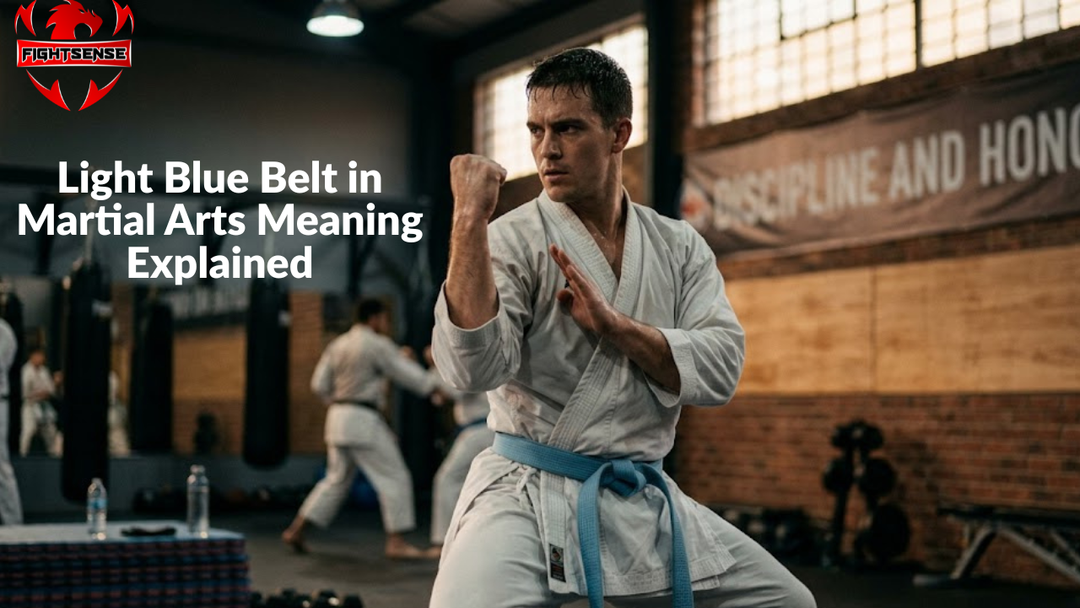
Light Blue Belt Explained in Martial Arts Journey
Light Blue Belt in martial arts represents a student’s journey, discipline, and skill development within certain martial arts ranking systems. Each belt color marks progress from beginner to advanced levels, showing improvement in both physical ability and mental focus.
Although not part of every martial arts style, the Blue ranking level is generally considered an early intermediate stage. At this level, students move beyond basic training and begin developing better control, accuracy, timing, and discipline in their techniques.
Key Highlights:
- Light Blue Belt marks the transition from beginner training to structured martial arts development.
- This stage focuses on improving control, coordination, and technical precision in movements.
- Students begin building discipline, patience, and mental focus alongside physical skills.
- Consistent training at this level creates a strong foundation for advanced martial arts progression.
- Strength and conditioning routines can improve endurance, stability, and overall performance during practice.
What’s a ‘Light Blue Stripe'?
In certain martial arts schools, the Light Blue Belt is considered an early intermediate rank. It is not employed in every discipline, such as karate, taekwondo or judo, but where it is used it serves a significant role.
At this level, a student will typically:
- Basic stances and moves already learned
- Can do simple combinations using control
- knows timing, balance and co-ordination
- Is moving from novice to structured training
The Blue ranking level just means that the learner is no longer a beginner and is starting to develop actual martial arts skill.
Skills Learned at Light Blue Belt Level:
Training at this point is more comprehensive and systematic. Students begin to refine basic strategies and how to use them appropriately.
Hitting Skills
- Basic punches and kicks: appropriate form
- Combination assaults (simple sequences)
- Power and precision refined
Mechanisms of defence
- Simple blocking and parrying
- Distance management understanding
- Defensive awareness in sparring
Footwork and Movement
- Correct stability of position
- Control of movement in different directions
- Better balance when striking or defending
Reaction & Timing
- Faster response to opponent’s actions
- Basic sparring experience.
- Building situational awareness
Importance of Light Blue Belt Level:
The Light Blue Belt is not just about physical skill, it is about developing mental strength and discipline.
At this stage pupils learn:
- Training consistency
- Respect for classmates and teachers
- Patience with learning skills
- Focus pressure
It’s the transition period when beginners start to become serious martial arts practitioners.
Progress After Martial arts learning phase:
Once trainees achieve Blue ranking level levels, they typically work toward:
- Green Belt (Intermediate)
- Brown Belt (advanced in some systems)
- Black Belt (mastery level)
Each phase demands greater precision, discipline and a greater technical understanding.
Fitness & Strength Training Support:
Martial arts performance is not just about technique, it is also about physical strength, endurance and conditioning.
Many athletes also mix martial arts training into their gym sessions to boost their overall performance.
In line with this, a fitness-oriented firm like Fightsense contributes by selling strength training equipment such as weightlifting accessories and lever belts, which are widely used during gym training for stability and core support.
Fightsense is not linked to martial arts ranking systems or belt development, but the fitness equipment can help athletes who desire to enhance their physical conditioning combined with martial arts practice.
Strength training can benefit Martial arts learning phase practitioners with:
- Core stability training
- Greater punch
- More stamina and endurance
- Minimise injury risk during training
This combination of martial arts practice and physical training helps to establish a stronger foundation for long-term progression.
Summary:
The Light Blue Belt is a significant early stage in martial arts development. This means that a pupil has progressed beyond basic beginner training and is now developing actual control, discipline and skill.
Not used in all systems of martial arts, but often refers to growth, consistency and preparation for higher levels.
Students may improve their performance and create a strong physical foundation for higher levels of martial arts with the right training and fitness support including scheduled gym practice and equipment from fitness brands like Fightsense.
Disclaimer
The light blue belt gym system varies across different fitness centers and martial arts programs. Always follow your gym’s specific rules and consult with instructors for personalized guidance.
FAQs:
1. Is Light Blue Belt a universal martial arts rank?
No, this belt is not used in all martial arts systems. Some schools include it in their ranking structure, while others use different colors or skip it entirely.
2. What does this belt level show about a student?
It indicates that the student has moved beyond beginner basics and is now improving control, technique accuracy, and overall coordination.
3. How much time is needed to reach this level?
There is no fixed duration. It usually depends on training consistency, school requirements, and individual progress, ranging from months to over a year.
4. What is the main training goal here?
The focus is on refining techniques, improving timing, building discipline, and developing better body control during practice.
5. Can students join competitions at this stage?
Some beginners may participate in entry-level events, but competition eligibility depends more on skill and instructor approval than belt rank.