
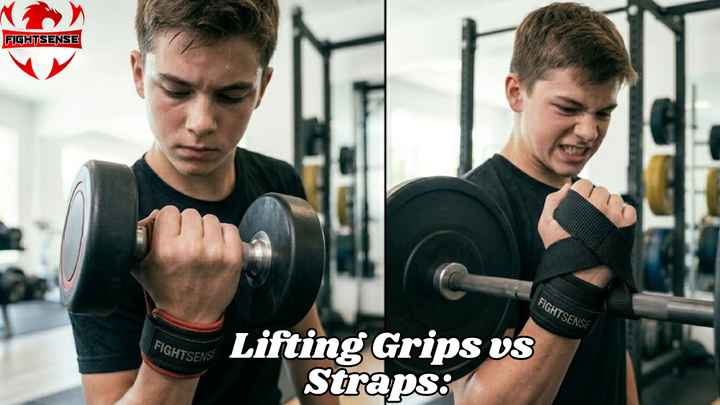
Lifting Grips vs Straps: Ultimate Full Guide
17th Apr 2025
Lifting Grips vs Straps is a common dilemma for gym enthusiasts who want to maximize performance and protect their hands. Choosing the right gear can make a significant difference in your lifting program, enhancing grip strength, reducing fatigue, and preventing injuries. Many lifters struggle to decide between grips and straps, as both offer unique benefits depending on your workout style and goals.
In this article, we’ll break down the key differences between lifting grips and straps, explore their best applications, and help you determine which option fits your training needs perfectly.
Keynotes:
- Protect Your Hands – Reduce calluses and wrist strain.
- Lift Heavier Safely – Focus on muscles, not grip.
- Mix for Best Results – Use grips and straps strategically.
- Comfort and Durability – Lasts through long, intense workouts.
- Boost Workout Performance – Train smarter, lift stronger, prevent injury.
What Are Lifting Grips?
Lifting grips are designed to protect your hands and wrists while giving you extra support during exercises. They are typically made from padded leather, neoprene, or synthetic materials and wrap around your palms, sometimes covering the fingers.
Types of lifting grips include:
- Full-hand grips: Cover the entire palm, ideal for heavy lifting and reducing friction.
- Fingerless grips: Offer palm protection while allowing more flexibility.
- Padded grips: Extra cushioning for comfort during high-rep workouts.
Pros of lifting grips:
- Protects hands from calluses and blisters.
- Reduces strain on wrists.
- Allows for a more comfortable grip in long workouts.
Cons:
- Can slightly reduce natural grip strength if overused.
- May not help much when lifting extremely heavy weights.
Brands like Fightsense have started producing grips with advanced padding and ergonomic designs that make them durable and comfortable even for high-intensity sessions.
What Are Lifting Straps?
Lifting straps are long pieces of fabric or leather that loop around the wrist and the barbell or dumbbell. Their main purpose is to assist your grip, especially when lifting heavy loads. Unlike grips, straps don’t cover your entire hand—they help you hold onto the bar without your forearms fatiguing.
Types of lifting straps include:
- Loop straps: Wrap around the wrist and bar, perfect for beginners.
- Figure-8 straps: Provide maximum support for heavy lifts like deadlifts.
- Wrist straps: Simple, flexible straps for versatile lifting.
Pros of lifting straps:
- Allows you to lift heavier weights safely.
- Reduces forearm fatigue during heavy sets.
- Helps maintain proper form on lifts like deadlifts and rows.
Cons:
- Over-reliance can weaken natural grip strength.
- Takes practice to use effectively.
Fightsense has introduced straps with reinforced stitching and non-slip materials, ensuring they hold up even under the heaviest loads, making them a favorite among serious lifters in 2026.
Lifting Grips vs Straps: The Ultimate Comparison for Maximum Gains:
| Feature | Lifting Grips | Lifting Straps |
|---|---|---|
| Purpose | Hand/wrist protection | Grip assistance for heavy lifts |
| Best for | Moderate weight, high reps | Maximum lifts, deadlifts, rows |
| Grip support | Moderate | High |
| Wrist support | Good | Moderate |
| Learning curve | Low | Medium |
| Ideal user | Beginners to intermediate | Advanced lifters |
When to Use Lifting Grips: Protect Your Hands and Maximize Comfort:
Lifting grips are your go-to tool for exercises where hand protection and comfort matter more than lifting maximum weight. They reduce friction, prevent calluses, and support your wrists, making long workouts more effective.
Ideal exercises for lifting grips include:
- Pull-ups and chin-ups – maintain grip without straining your hands
- Dumbbell curls – prevent slipping and reduce hand fatigue
- Machine exercises – focus on the target muscles, not your grip
- High-rep barbell presses – protect your palms during longer sets
Grips are perfect for endurance-focused training, preventing hand injuries, or recovering from minor wrist or palm strains. They are suitable for all fitness levels, from beginners to seasoned lifters, and are an essential tool for smarter, safer workouts.
When to Use Lifting Straps: Lift Heavier Without Losing Grip:
Lifting straps are a game-changer when you’re pushing heavy weights or tackling exercises that push your grip to its limit. They take the strain off your forearms so you can focus on the muscles you want to grow.
Best exercises for lifting straps include:
- Deadlifts – maintain a secure grip on the bar for maximum lift
- Barbell rows – pull heavier loads without grip fatigue
- Shrugs – lift with full control for stronger traps
- Heavy pull-ups – extend your sets without your hands giving out
For anyone aiming to hit personal records or train at peak intensity, straps are almost essential. High-quality options, like those from Fightsense, provide durability, non-slip support, and comfort—even under the heaviest loads. Using straps smartly can help you lift more, recover faster, and train harder without risking your grip.
How to Choose the Perfect lifting Grips vs Straps for Your Workouts:
1. Define Your Workout Goals
-
- If your focus is hand protection and comfort, go for grips.
- If your goal is lifting heavier weights safely, choose straps.
2. Consider Your Exercise Type
-
- Grips: Pull-ups, curls, machine exercises, high-rep sets.
- Straps: Deadlifts, rows, shrugs, heavy compound lifts.
3. Check for Comfort and Fit
-
- Make sure grips or straps fit your hand and wrist snugly without cutting circulation.
- Look for padded or ergonomic designs for long workouts.
4. Assess Durability and Quality
-
- Invest in high-quality products like Fightsense grips and straps for longevity and reliable support.
Common Mistakes to Avoid:
- Relying solely on straps, which can reduce your natural grip strength over time.
- Choosing grips or straps that are too tight or poorly designed.
- Using lifting aids before mastering proper lifting technique.
Remember, the goal of grips and straps is to enhance your workout, not replace proper form or strength development.
Conclusion:
In 2026, choosing between lifting grips vs straps comes down to your workout goals:
- Lifting grips: Best for hand protection, comfort, and high-rep exercises.
- Lifting straps: Ideal for lifting heavier weights safely and reducing forearm fatigue.
Many lifters find the best results by combining both, using grips for certain exercises and straps for heavy lifts. Brands like Fightsense have made it easier to get high-quality, durable, and ergonomic options that fit any lifting style.
Disclaimer:
This content is for informational purposes only and is not a substitute for professional medical or fitness advice.
FAQs:
1. Can using straps too often weaken my natural grip?
Yes, relying solely on straps can reduce forearm and grip strength over time. It’s best to balance their use with exercises that challenge your natural grip.
2. Are lifting grips better for beginners than straps?
Generally, yes. Grips provide hand protection and comfort, making them ideal for beginners who are still building strength and getting used to lifting techniques.
3. Do lifting straps help prevent hand injuries?
Straps mainly reduce forearm fatigue and help maintain grip on heavy lifts, but they don’t directly protect the palms from calluses—grips are better for that.
4. Can I use both lifting grips vs straps in the same workout?
Absolutely. Many lifters use grips for high-rep or endurance exercises and switch to straps for their heaviest lifts to maximize performance and safety.