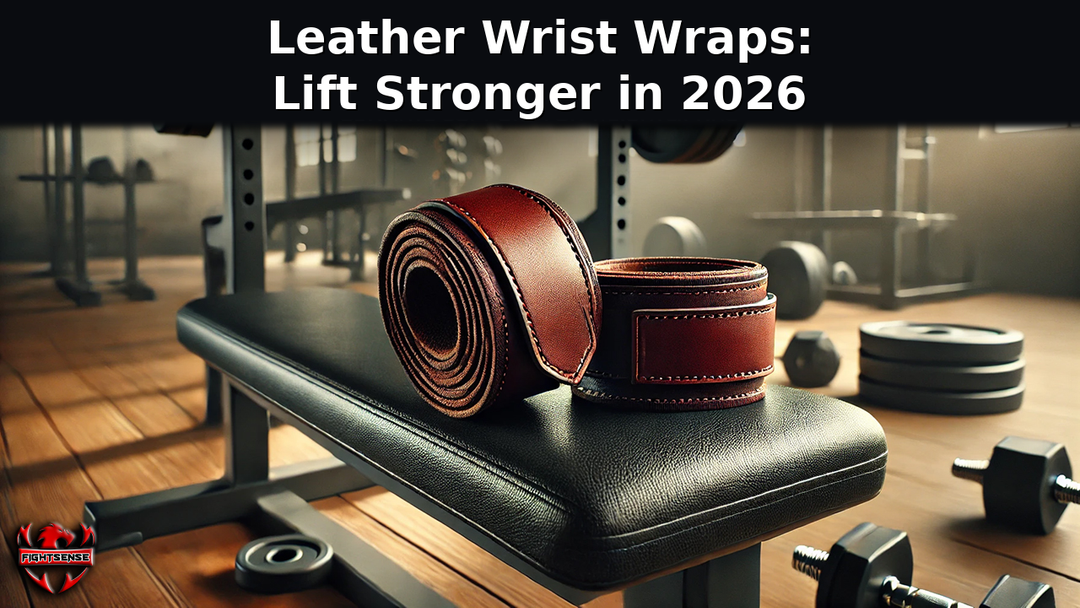
Leather Wrist Wraps: Lift Stronger in 2026
When the bar gets heavy, your wrists feel it first. A bench press, an overhead press, or a clean can bend the wrist back and steal power from the lift, and that is where a good wrap earns its place.
In this guide, we explain how leather wrist wraps support your joints, what makes leather different from fabric, and how to choose, wear and care for a pair that will last. You will get clear, practical advice you can use at your next session.
Keynotes
- Leather wraps give firm, steady support for heavy pressing and pulling.
- Choose leather when you want a wrap that holds its shape and lasts.
- A snug fit protects your wrist without cutting off circulation.
- Look after leather with simple cleaning and conditioning, and it will serve you for years.
- Pair the right wrap with good form, and your lifts will feel stronger and safer.
Why Leather Wrist Wraps Work for Heavy Lifting
The main job of leather wrist wraps is to keep your wrist in a strong, neutral line while you lift. Leather is stiff enough to resist bending back, so the force travels through the joint instead of stressing it.
That stiffness is also what makes leather wraps different from stretchy fabric ones. Fabric can be comfortable, but it gives a little under load. A leather wrap holds its shape, so the support stays the same from the first rep to the last. If you train heavy several days a week, a purpose-built pair such as these premium wrist wraps for gym training can be a practical addition for lighter sessions.
Firm Support That Keeps Your Wrist Straight
The wrap sits across the wrist joint and limits how far it can bend back. That limit matters most on pressing days, when the load is heavy and the wrist is under the bar. A wrist that bends too far back is in hyperextension, a position that can strain the joint and sap your pressing power.
Built to Last Through Hard Training
Leather is a tough material that ages well. With basic care, a leather wrap keeps its shape, its stitching and its grip for years of training, which makes it good value for lifters who train week after week.
Leather vs Fabric: Which Wrap Suits Your Training?
Many lifters ask whether leather wrist wraps are worth it when fabric wraps cost less and feel softer. The honest answer depends on how you train.
Fabric wraps are light, soft and easy to wash, and they suit high-rep training and sore wrists. Leather wraps are firmer and heavier, and they suit heavy, low-rep pressing, where the wrist needs firm support. If you only lift moderate weights, fabric may be all you need. If you chase heavy singles and doubles, leather is the better tool. Some lifters also add weightlifting wrist straps for pulling work, where grip, not wrist support, is the weak link.
For a wider look at wrap styles, see our roundup of the best wrist wraps for lifting, boxing and powerlifting.
How to Choose the Right Pair
Start with the basics: a length that covers the wrist joint with a few turns, solid stitching, a fastener that holds after many uses, and a feel that is comfortable against your skin. The right pair feels firm and secure without pinching or slipping.
How to Fit Leather Wrist Wraps for a Secure Hold
To get the best from leather wrist wraps, place the thumb loop over your thumb, then wrap the band around your wrist just below the palm. Keep the wrist straight and wrap snugly, overlapping each turn, then fasten it so it feels firm but not numb.
Our step-by-step guide explains how to put on wrist wraps for lifting in detail. Many lifters save wraps for their heavy working sets and train warm-ups without them, so their wrists still build strength.
What to Check Before You Buy
Look for even stitching, a strong fastener and leather that feels dense rather than flimsy. Try the wrap on if you can, and check that it stays put when you press. A pair that suits your hands and your lifts is worth more than the cheapest option.
How to Care for Leather Wraps So They Last
With a little care, leather wrist wraps can last for years. Wipe them down after training, let them dry away from direct heat, and treat the leather now and then so it stays supple instead of drying out.
Avoid soaking leather or leaving damp wraps in a gym bag, and store them flat or loosely rolled. A quick wipe with a damp cloth is usually enough after each session. If your wrists ache after training, our guide to wrist wraps for pain relief explains when support helps and when rest matters more.
Common Mistakes to Avoid
The most common mistake with leather wrist wraps is wearing them too tight. A wrap should feel firm and supportive, not painful, and your fingers should stay warm and free to move.
- Wearing wraps for every set, including warm-ups. Save them for heavy work so your wrists grow stronger.
- Wrapping over the knuckles instead of the wrist joint. The support should sit on the joint itself.
- Reaching for wraps to hide pain that keeps coming back. If a pain persists, rest and get advice instead of pushing through it.
Good gear works as a set: a premium lever belt for heavy lifting steadies your core on big lifts while wraps steady your wrists.
Why Lifters Who Chase Bigger, Safer Lifts Trust FightSense for Wrist Support and Gym Gear
FightSense builds training gear for lifters who take their sessions seriously. From wrist wraps and lifting straps to leather belts, every product is made to give honest support at a fair price, and the team stands behind what it sells. When you shop with FightSense, you get gear chosen by people who train, clear prices and fast delivery, so you can focus on the next plate, not the next problem. If you are still deciding between wraps and straps, read our ultimate guide to wrist wraps for weightlifting before you buy.
Give Your Wrists the Support Your Heaviest Lifts Deserve
Strap in with FightSense wrist wraps and feel the difference on your next heavy set.
Shop Wrist Wraps for Weightlifting
Plus, orders above $100 ship free at FightSense.
Conclusion
Leather wraps are a simple piece of kit that can make heavy lifting feel steadier and safer. They support the wrist, they last for years with basic care, and they reward lifters who choose well and use them only when the weight demands it. If heavy pressing is part of your training, a good pair of leather wraps is worth the investment, and your wrists will thank you on the next heavy day.
FAQs
Are leather wraps better than fabric wraps?
Leather wraps give firmer support and usually last longer, while fabric wraps are softer and lighter. For heavy, low-rep lifting, leather is often the better choice. For high-rep work, fabric can feel more comfortable.
When should I wear wrist wraps for lifting?
Wear them for heavy working sets that load the wrist, such as heavy bench presses and overhead presses. Warm up without them where you can, so your wrists keep building strength.
How tight should my wrist wraps be?
Snug enough to keep the wrist straight and supported, but not so tight that your fingers tingle or feel cold. You should still be able to move your fingers freely.
Are leather wraps good for beginners?
They can work for beginners, but a beginner often does better starting with a lighter, softer wrap while learning form, then moving to leather when the weights get heavy.
How do I clean leather wraps?
Wipe them with a slightly damp cloth after training, let them air-dry away from direct heat, and condition the leather now and then so it stays soft and does not crack.
Do wrist wraps weaken your wrists over time?
Wraps support the joint, but they do not replace training. If you use them only for heavy sets and lift without them in warm-ups, your wrists still get training and grow stronger.
Can I use wrist wraps for boxing or CrossFit?
Wrist wraps help in boxing and in many CrossFit workouts, but they are not the same as hand wraps, which protect the knuckles and hand bones. Choose the right product for your sport.
What lifts benefit most from wrist wraps?
Bench presses, overhead presses, push presses and front squats load the wrist most. If a lift bends your wrist back under load, wraps will usually help.