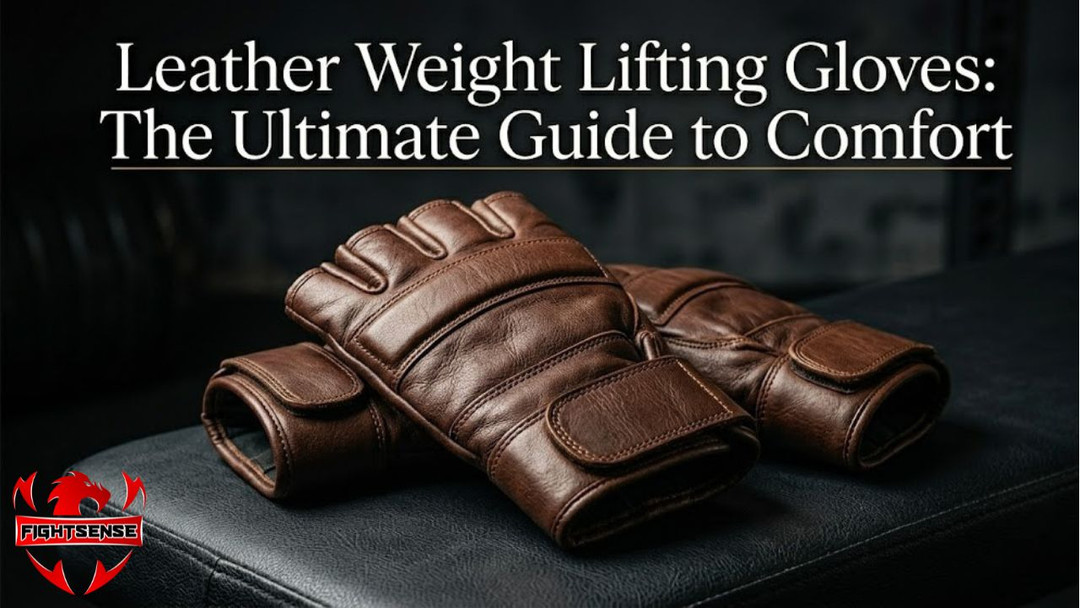
Leather Weight Lifting Gloves: The Ultimate Guide to Comfort
Leather Weight Lifting Gloves can instantly change how your grip feels in the gym. Instead of struggling with slipping bars or painful calluses, they give you a more stable, controlled hold so you can focus on lifting heavier and better.
Ever dropped a dumbbell mid-set because your grip just gave out? That small moment can kill your confidence. I faced the same issue during deadlifts until I switched to proper gloves—and the difference was immediate. My hands felt secure, pain reduced, and my lifts became more controlled and focused.
Key Takeaways:
- Stable grip improves lifting control and performance.
- Hand protection helps maintain training consistency.
- Less grip distraction means better focus on form.
- Good gear supports strength, it doesn’t replace it.
- Smart equipment choices lead to long-term progress.
What Are Weight Lifting Gloves and Why Do Lifters Use Them?
Leather weight lifting gloves are specifically made gym accessories that protect your palms, increase your grip, and improve your overall lifting effectiveness. These gloves provide a safe barrier between your hands and the equipment, allowing you to workout with greater control and confidence rather than battling slick bars or uncomfortable calluses.
Both novice and expert lifters frequently utilize them to improve their stability during exercises like pull-ups, deadlifts, and rows. To put it simply, they let you concentrate more on your training rather than grip problems and lessen hand discomfort.
Why Grip Is More Important Than Strength
The majority of strength trainers aim for higher weights. In actuality, though, every pull, hold, and lift starts with your grasp.
Your neural system immediately switches from muscular activation to "don't drop this weight" when your palms start to perspire or the bar starts to slip. Performance suffers as a result of breaking form.
Based on my own experience and observations of other lifters, the adoption of leather weight lifting gloves frequently resolves this unseen issue. They increase friction, decrease slippage, and provide a more controlled lifting experience—particularly when performing rows, pull-ups, and deadlifts.
Even seasoned trainers concur that uneven gripping will hinder your improvement.
Real Gym Experience: What I Actually Felt During Training
Upon initially testing premium leather gloves during a back workout, I observed three distinct changes:
First, I experienced much less grip fatigue. My forearms wouldn't burn out too quickly if I held hard sets for a longer period of time.
Bar control also got better. Everything seemed locked in, rather than requiring me to constantly modify my grip mid-set.
Third, there was actual psychological solace. You lift more confidently when you have faith in your hold.
This is where Leather Weight Lifting Gloves are unique; they stabilize your entire lifting mindset in addition to protecting your hands.
What Makes Leather Different?
Gym gloves are not all made equal. Although synthetic materials may feel light, they frequently break easily or lose their grip when perspiring.
In contrast, leather exhibits distinct behaviors. Over time, it automatically adapts to the contour of your hands, resulting in a more customized fit. Additionally, it manages friction and pressure better during large lifts.
Because Gym lifting gloves combine durability and regulated grip friction, which less expensive materials cannot match, many athletes favor them.
This balance is the aim of companies like Fightsense, which create gloves that are firm. That balance is more important than aesthetics in actual training environments.
Protection You Only Appreciate After Pain
Until they get their first significant blister or ripped callus, the majority of lifters don't consider hand protection.
On a day of heavy pull volume, I discovered this the hard way. My palms were already hurt by the last sets, and each repetition felt like sandpaper on skin.
That issue significantly decreased after using leather weight lifting gloves. The leather surface reduces direct bar friction while the cushioning absorbs pressure.
In addition to increasing comfort, this promotes training consistency. Furthermore, with time, consistency is what truly develops strength.
How to Choose the Right Pair
Not every glove will work the same way for you. Branding is not as important as construction and fit.
A good pair of Gym lifting gloves should be snug but not constrictive. Overly tight gloves impair blood flow and mobility, while loose gloves impair grip control.
Look for balanced padding, breathable areas, and stronger stitching. Whether gloves last for months or years depends on these characteristics.
From what I've observed in gym settings, Fightsense designs typically prioritize this balance—useful durability over superfluous features.
Building Mental Focus and Confidence
Mental focus is one underappreciated advantage of quality equipment.
Your mind ceases to worry about sliding or discomfort when your hands are safe. This lets you focus only on breathing, form, and using your muscles.
Beyond just providing physical protection, Leather Weight Lifting Gloves are crucial during this mental adjustment. Distractions that subtly impair performance are eliminated.
Better lifts, improved control, and more steady advancement result over time.
The Significance of Grip Support in Actual Training
From the standpoint of training and biomechanics, grip aid devices are meant to support consistency rather than to replace strength.
Muscle activation declines as grip becomes a limiting factor. Gym grip gloves help lifters concentrate more on their target muscles rather than making up for slipping by stabilizing hand contact.
This is consistent with professional coaches' typical strength training techniques, which emphasize minimizing outside distractions in order to optimize internal output.
How to Keep Your Gloves in Good Condition for Extended Performance
Only when you take care of your equipment will it function well.
Always let your gloves air dry after training rather than putting them in a locked bag. Over time, material may get weaker due to sweat accumulation.
They may be kept clean and their grip texture preserved by lightly wiping them with a towel. Flexibility can be maintained by occasionally using a light conditioner.
Simple maintenance practices are beneficial even for high-quality products like Fightsense. Leather weight lifting gloves have a far longer lifespan than synthetic ones with the right upkeep.
Last Thoughts:
Smart training, consistency, and injury prevention—rather than simply lifting more weight—are the keys to true gym growth. Exercises lose quality when your hands suffer or your grip breaks. Because they enhance comfort, control, and overall performance based on actual training experience, leather weight lifting gloves are used by many lifters.
They bolster strength rather than take its place. A steady grip increases self-assurance and smoothes out each repetition. Selecting the proper equipment becomes an integral aspect of your training, not only a choice, for long-term success.
FAQs:
1. Are gloves better than straps for strength training?
Gloves improve comfort and grip protection, while straps are better for lifting very heavy loads. Many lifters use both depending on the exercise.
2. Do lifting gloves actually improve performance?
Yes, indirectly. A stable, pain-free grip helps you focus on form and train with better consistency.
3. Why is leather preferred over synthetic materials?
Leather offers better durability, grip stability, and long-term comfort as it adapts to hand shape.
4. Can beginners start using lifting gloves?
Yes, they help prevent blisters and make early training more comfortable.
5. Are padded gloves better for heavy lifting?
Extra padding helps with comfort, but too much can reduce bar feel and control.
6. When should I replace my lifting gloves?
Replace them when grip weakens, stitching breaks, or padding becomes uneven.
Disclaimer:
This blog is only for informational needs. To avoid injury, always speak with a fitness professional before selecting weight lifting equipment.