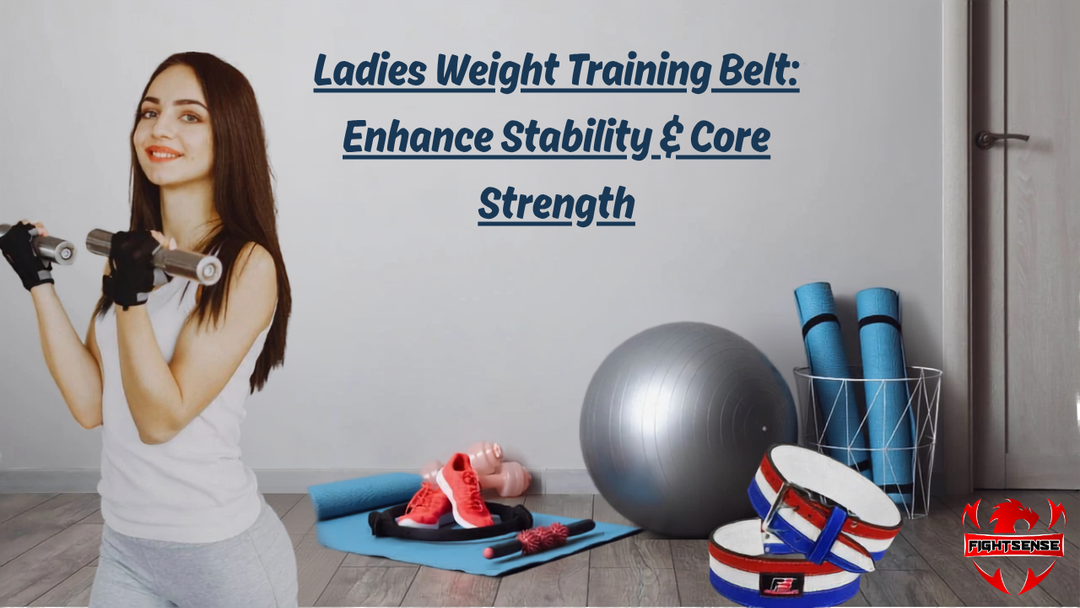
Ladies Weight Training Belt: Enhance Stability & Core Strength
Ladies Weight Training Belt is a must-have for women who lift weights, providing crucial support for the lower back, improving posture, and boosting strength during heavy lifts. Whether you’re squatting, deadlifting, or pressing, the right belt can help you lift safely, push harder, and protect your spine.
In this comprehensive guide, you’ll discover the purpose, benefits, and top choices for a weight training belt, giving you the tools to enhance performance, prevent injuries, and elevate your fitness journey.
Key Highlights:
-
During heavy lifts, a women’s weight training belt provides essential support and stability.
-
The ideal belt should enhance performance, offer a comfortable fit, and deliver proper lumbar support.
-
Benefits of using a weight training belt include improved performance, better posture, and reduced risk of injury.
-
High-quality belts are made from durable materials, ensuring long-lasting use.
Ladies Weight Training Belt – What It Is and Why You Need It
A ladies weight training belt is an essential fitness accessory for women who lift weights. It provides lower back support, improves posture, and helps you lift heavier weights safely. Whether you’re doing squats, deadlifts, or shoulder presses, a good belt can enhance performance and reduce the risk of injury.
Using a weight training belt can also help beginners develop better lifting habits by encouraging proper core engagement. It gives extra confidence during heavy sets, allowing you to focus more on form and strength rather than worrying about balance or strain.
Benefits of Using a Training Belt:
- Support & Stability: Using a weight training waist belt provides important support to the lower back and core, therefore preventing injuries brought on by improper form or posture.
- Increased Performance: Improved alignment helps you to safely and with better technique raise heavier weights.
- Reduced Risk of Injury: Stabilizing your spine helps a weight training belt for women to limit the tension on your back, thereby lowering the chance of strains and sprains.
- Improved Posture: Designed weight training belts for women help maintain spine alignment, thereby improving your posture during lifts.
Do Women Really Need Special Belts?
- Yes, because female body structure is different
- Curved belts provide a better and more comfortable fit
- Proper comfort and support improve overall training performance
- Well-designed belts help reduce pressure on the lower back during heavy lifts
- A good-fitting belt improves stability and confidence while lifting heavier weights
How Ladies Weight Training Belt Improve Performance and Safety?
Using a weight training belt does more than just support your back—it actively enhances your lifting technique and overall workout efficiency. Here’s how:
Stabilizes the Spine Through Core Pressure:
-
- Belts increase intra-abdominal pressure, which acts like an internal brace for your spine.
- This is especially beneficial for women performing heavy lifts like squats, deadlifts, and overhead presses, helping reduce the risk of lower back injuries.
Boosts Strength and Lifting Efficiency:
-
- Studies show that wearing a belt can improve lifting capacity by 5–15%, depending on the lift and weight used.
- By providing extra support, it allows women to push slightly heavier weights safely, helping build strength faster without compromising form.
Enhances Core Engagement and Breathing:
-
- Contrary to common myths, belts do not weaken your core.
- They provide a surface against which your abdominal muscles can brace, promoting better core activation.
- Proper bracing also improves oxygen delivery to working muscles, reducing fatigue during intense sets.
Encourages Proper Posture and Form:
-
- Wearing a belt helps maintain a neutral spine during lifts.
- For women who are still learning proper lifting mechanics, it can serve as a physical reminder to engage the core and keep alignment correct.
Exercises Where a Lifting Support Belt Helps Most
| Exercise | How it Helps |
|---|---|
| Squats | Supports back and improves posture for safer heavy lifts |
| Deadlifts | Protects spine and improves core bracing |
| Overhead Press | Stabilizes torso and prevents back arching |
| Weighted Lunges | Improves balance and reduces lower back strain |
Premium Strength Training Gear for Better Support & Performance
Fightsense is a trusted brand for women looking to improve their strength training safely and effectively. Along with high-quality lever belts, Fightsense also offers a wide range of fitness gear including wrist wraps, knee sleeves, lifting straps, and resistance bands.
Their products are designed to deliver maximum comfort, durability, and ergonomic support, helping female lifters maintain proper form and reduce the risk of injury. Whether you’re a beginner or an advanced lifter, Fightsense gear helps make every workout safer, more stable, and performance-focused.
Common Mistakes While Using a Belt
- Wearing the belt too loose or too tight
- Using the belt for every exercise instead of heavy lifts only
- Not engaging the core and relying only on the belt for support
- Choosing the wrong belt size
- Using the belt as a fashion accessory instead of a training tool
- Holding improper breathing technique while wearing the belt
FAQs:
At what weight should a beginner start using a lifting belt?
There is no fixed weight limit, but beginners usually start using a belt when lifting around 70–80% of their one-rep max or during heavy compound lifts like squats and deadlifts.
Should I wear a belt for every set in my workout?
No, it’s best to use a belt only for heavy working sets. Warm-ups and lighter sets should be done without a belt to build natural core strength and stability.
How do I know if my lifting belt is the wrong size?
If the belt shifts during lifts, feels uncomfortable even when properly adjusted, or cannot be tightened enough for support, it is likely the wrong size.
Can a lifting belt fix poor lifting technique?
No, a belt cannot fix bad form. It only enhances stability and support. Proper lifting technique must be learned first before relying on a belt.
What is the difference between a powerlifting belt and a general fitness belt?
A powerlifting belt is thicker and stiffer for maximum support during heavy lifts, while a general fitness belt is more flexible and comfortable for mixed workouts.